
The numbers are in, and they tell a story that would have been unthinkable two years ago. Global XR device shipments grew 44.4% in 2025, reaching 14.5 million units. That sounds like great news for the industry. It is great news, but not for headsets. Smart glasses accounted for roughly half of all XR shipments in 2025, up from around 25% the year before. They outsold VR and MR headsets by a ratio of approximately three to one. The growth everyone has been celebrating in XR? Glasses did that. Not headsets.
HardwareMay 4, 2026
Smart Glasses Are Now Outselling VR Headsets 3 to 1. The Numbers Tell the Whole Story.
By Alex Reeves
Staff Writer, VR.org
Advertisement
IDC's data makes the split clear. Smart glasses shipments surged 110% year-over-year in the first half of 2025. During that same period, standalone VR and mixed reality headsets declined 14%. Meta Quest shipments specifically fell 42.3% compared to the previous year. The XR market grew because one category exploded while another shrank. That is not a rising tide lifting all boats. That is a changing of the guard.
Why glasses are winning
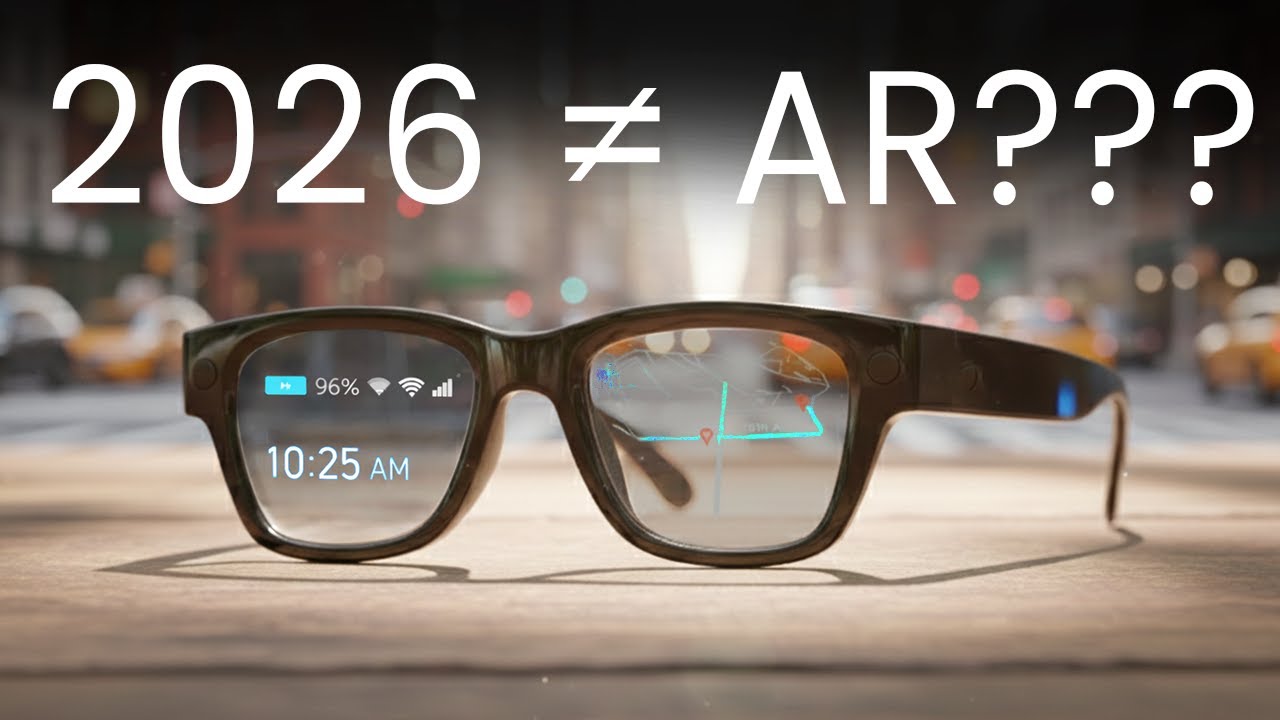
The explanation is not complicated. Smart glasses solve a problem that headsets do not: they fit into your existing life without asking you to stop what you are already doing. You wear glasses to a coffee shop. You wear them on a walk. You wear them to work. You do not wear a VR headset to any of those places. The use case for smart glasses is "all day, everywhere." The use case for VR headsets is "in your living room, for 30 to 90 minutes, when nothing else is competing for your attention."
Ray-Ban Meta proved this at scale. More than 2 million units sold since October 2023, with sales tripling in Q2 2025. The product works because it disappears. People forget they are wearing technology. That is the threshold that VR headsets have never crossed and likely never will in their current form factor.
Price helps too. Ray-Ban Meta starts at $299. A Meta Quest 3 now costs $599 after the April price hike. For most consumers, the value proposition of glasses that enhance reality while you live your normal life is more compelling than a headset that replaces reality for a limited session.
The Quest decline in context
A 42.3% year-over-year decline in Quest shipments is significant, but context matters. 2024 was the Quest 3 launch year, which inflated the comparison base. The DRAM shortage pushed Quest prices up by $50 to $100 in April, suppressing demand exactly when spring buying typically picks up. And the broader consumer electronics market is under pressure from the same memory cost inflation hitting every device category.
Meta still controls 75.7% of the combined XR market as of Q3 2025. That number includes both Quest headsets and Ray-Ban smart glasses. Meta is not losing the market. It is seeing its own product mix shift from headsets toward glasses, and that shift is happening faster than anyone projected when Ray-Ban Meta launched.
Advertisement
The irony is that Meta's best-selling XR product in 2025 was probably not the Quest 3. It was the Ray-Ban. The company that spent $83.6 billion on Reality Labs building virtual worlds is finding that its biggest consumer hit is a pair of sunglasses with a camera and Bluetooth speaker.
What this means for 2026 and 2027
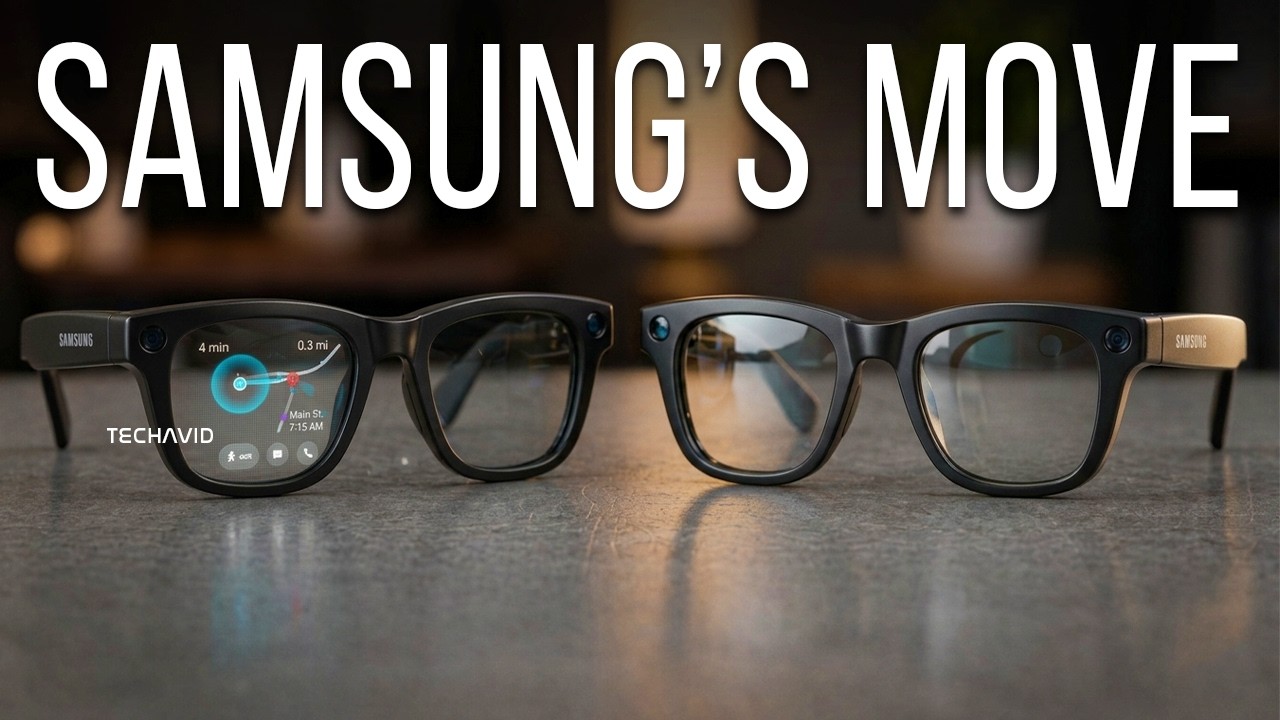
IDC projects the XR market to grow another 33.5% in 2026, with a compound annual growth rate of 26.5% through 2030. The growth drivers are clear: Samsung Galaxy Glasses launching this summer, Google's Android XR partners (Warby Parker, Gentle Monster, Gucci) rolling out across 2026 and 2027, Apple reportedly entering the smart glasses market by late 2026, and Ray-Ban Meta continuing to iterate on a proven formula.
Headsets will not disappear. Samsung's Galaxy XR, the Steam Frame, and whatever Apple does with Vision Pro 2 will keep the category alive for gaming, enterprise training, and creative professionals. IDC notes that MR/VR headsets are projected to rebound in 2026 with new device launches. But their ceiling is lower than the industry believed three years ago. The mass market is not going to strap screens to their faces daily. The mass market will wear glasses.
The installed base shift is what matters most for developers. If smart glasses outsell headsets three to one, and that ratio holds or grows, then the largest addressable audience for XR software is not people in immersive virtual environments. It is people wearing AI-powered glasses in the real world. That changes what gets built, what gets funded, and where developer talent flows.
The new baseline
Two years ago, the conversation was about whether VR would go mainstream. The answer, based on this data, is that VR in its headset form will remain a niche. A valuable niche, a growing niche in absolute terms when new hardware launches, but a niche. Smart glasses are the form factor that goes mainstream. They already are going mainstream. 110% growth and 50% of all XR shipments is not a trend line. It is a market that has already tipped.
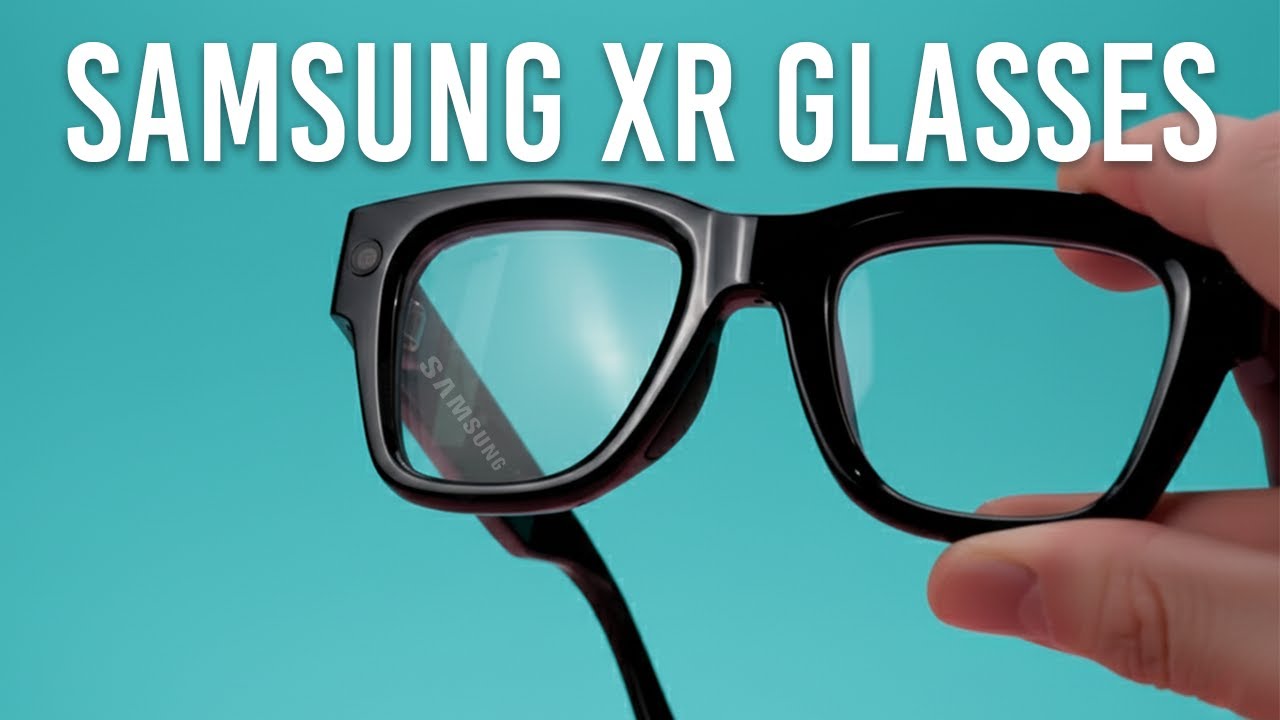
Every major technology company in the world appears to have reached the same conclusion simultaneously. Google is building Android XR as a glasses-first platform. Samsung is launching Jinju before Galaxy XR gets its full AR glasses. Apple scrapped its AR glasses roadmap to ship AI glasses first. Meta is investing more in the next Ray-Ban generation than in Quest 4. The headset era is not ending, but the glasses era has clearly begun. The data confirms what the product roadmaps already told us. The question is no longer whether smart glasses will dominate XR. It is which platform wins when they do.
Advertisement