When people list the serious players in the smart glasses race, the names that come up are the same three: Meta, Apple, and Google. That frame is about to look incomplete. Rokid, the Chinese AR company that closed a record-breaking Kickstarter last year for its Rokid Glasses, now leads the global AI-glasses-with-a-display category in unit sales, according to a November 2024 through October 2025 tracking window published by Shangpu Group. Its March software push made it the first smart glasses to natively run Google's Gemini, which arrived on Rokid hardware before Google's own glasses have even shipped.
ArApril 20, 2026
Rokid's 49-Gram Glasses Are Outselling Meta's Display Category. The Open AI Playbook Is Why.
By Jordan Kuo
Staff Writer, VR.org
Advertisement
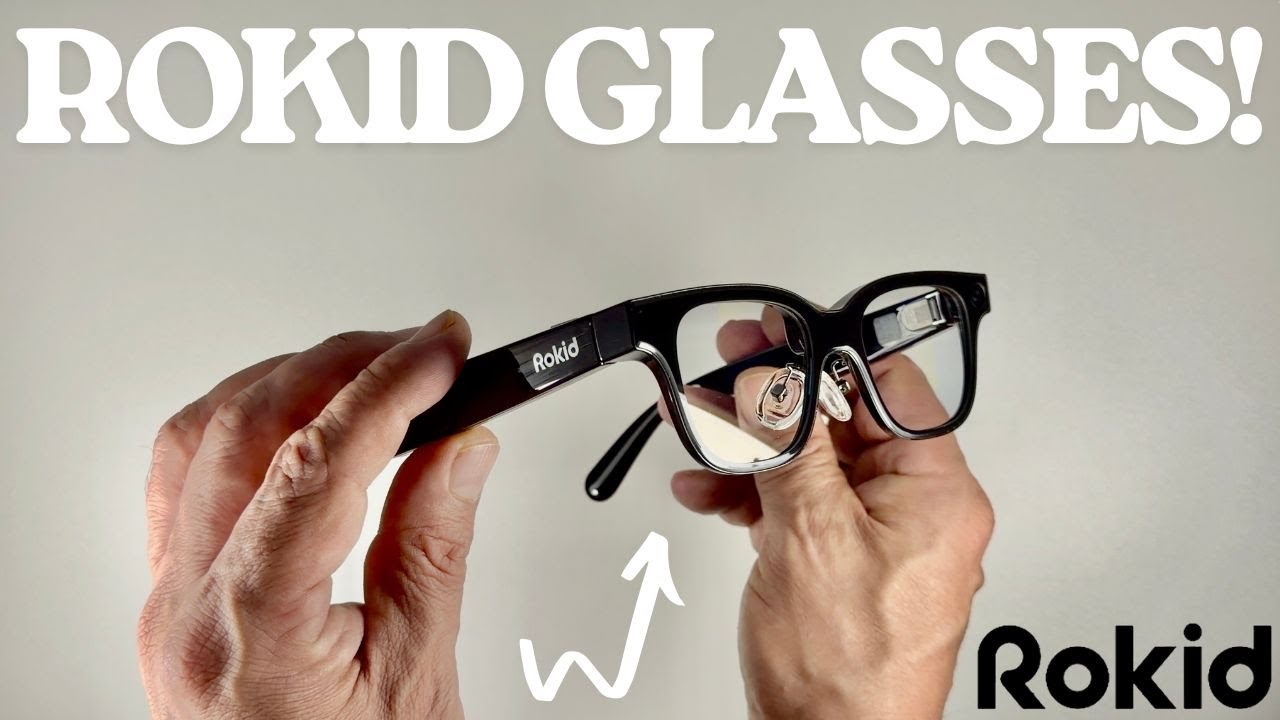
If you have been watching this category loosely, that is an odd outcome. Rokid does not have Meta's distribution, Apple's retail footprint, or Google's Android XR marketing budget. And yet the device sitting at the top of the display-capable AI glasses charts is 49 grams, built on Qualcomm's AR1 platform, and comes from a company most American consumers have never heard of.
What the hardware actually is
Rokid Glasses are a pair of all-day-wear AR frames weighing 49 grams, with dual monochrome green Micro-LED displays routed through diffractive optical waveguides. Each eye gets 480 by 398 resolution, 1,500 nits of brightness, and a 23-degree field of view. There is a 12MP camera, a four-mic array with AI noise cancellation, directional speakers, and prescription support for myopia and astigmatism. The chassis is magnesium-aluminum alloy. Retail price is $499 on the international store, with a prescription bundle landing around $600 all-in.

None of those specs are category-leading on their own. Meta's Ray-Ban Display has a better camera. Google's reference Project Aura design from XREAL pushes the field of view to 70 degrees. What Rokid has is shipping volume. The glasses reached Kickstarter backers in early 2026 and have been iterating in software every few weeks since.
The software story is the real one
Here is where this stops being a hardware writeup and starts being an ecosystem piece. When Rokid pushed the March 2 software update, it did something nobody else in this space has done. It let users pick their AI assistant from a list that includes Gemini, OpenAI's ChatGPT, Alibaba's Qwen, and DeepSeek, all running natively on the device with no phone tether required. You switch between them on the fly. You use whichever one is better for a given task.

Meta's Ray-Ban Display only talks to Meta AI, which runs Llama under the hood. Apple's Vision Pro ecosystem funnels you toward Apple Intelligence and Siri. Google's upcoming AI glasses will lean on Gemini, obviously. Each of the big three is betting that the consumer wants a single, well-integrated assistant and will happily accept that the assistant happens to be the one made by the hardware vendor.
Advertisement
Rokid is betting the opposite, and the early data suggests they are right for a specific buyer segment. People who already pay for ChatGPT Plus do not want to be forced onto Meta AI because they bought new glasses. Developers who have built tooling around Gemini do not want to rewrite their prompts for a proprietary model. International users need localized models that Silicon Valley might not optimize for, which is where Qwen and DeepSeek quietly become important.
Why developers should care
For anyone building apps on Android XR, Meta Horizon OS, or visionOS, the Rokid case study is worth reading. The smart glasses market is too early for ecosystem lock-in to feel natural, the way it feels natural on phones. The users in this category are tinkerers and enthusiasts. They already have opinions about which LLM is best at coding versus which is best at translation. Asking them to accept a single bundled assistant is asking them to give up workflows they already use every day on their laptop.
That is the developer-relations problem Google has to solve before Android XR glasses ship at scale. If the answer is "Gemini only," a certain type of power user, the exact demographic that buys early-generation smart glasses, will look at the Rokid spec sheet and decide the 49-gram open-ecosystem option is less restrictive. The fact that Rokid is already shipping while Google is still doing developer previews makes that decision even easier.
The global expansion angle
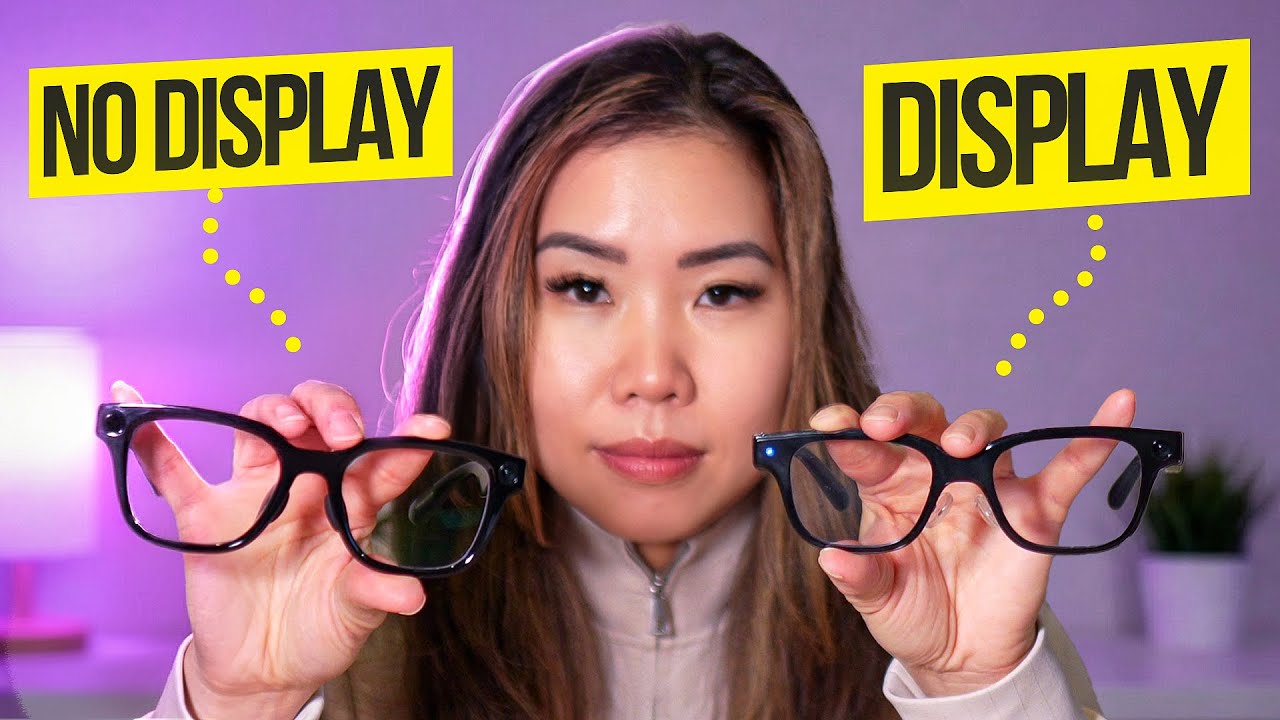
Rokid is not done. The company announced a global developer program in March aimed at scaling its 15,000-strong Chinese XR developer community outward into Europe and North America. The "Dream Journey" promotional tour is putting the glasses on skateboarders, tech analysts, and honeymooning couples to demonstrate everyday use cases that are not stage demos at a conference. A spring promotion on the 38.5-gram screenless Style model runs through April 30 at $299.
All of this is the kind of move a company makes when it believes it has a window before the big platforms catch up. The window might only be 12 to 18 months before Google ships its first Android XR glasses and Samsung follows with whatever it is building next. But 12 to 18 months is also how long it took Meta to go from Ray-Ban Stories to Ray-Ban Display, and in that window Meta sold millions of units and locked in a first-mover brand association that still defines the category.
Rokid is betting the same dynamic works for the Chinese challenger. The early numbers say it is working.
Advertisement