
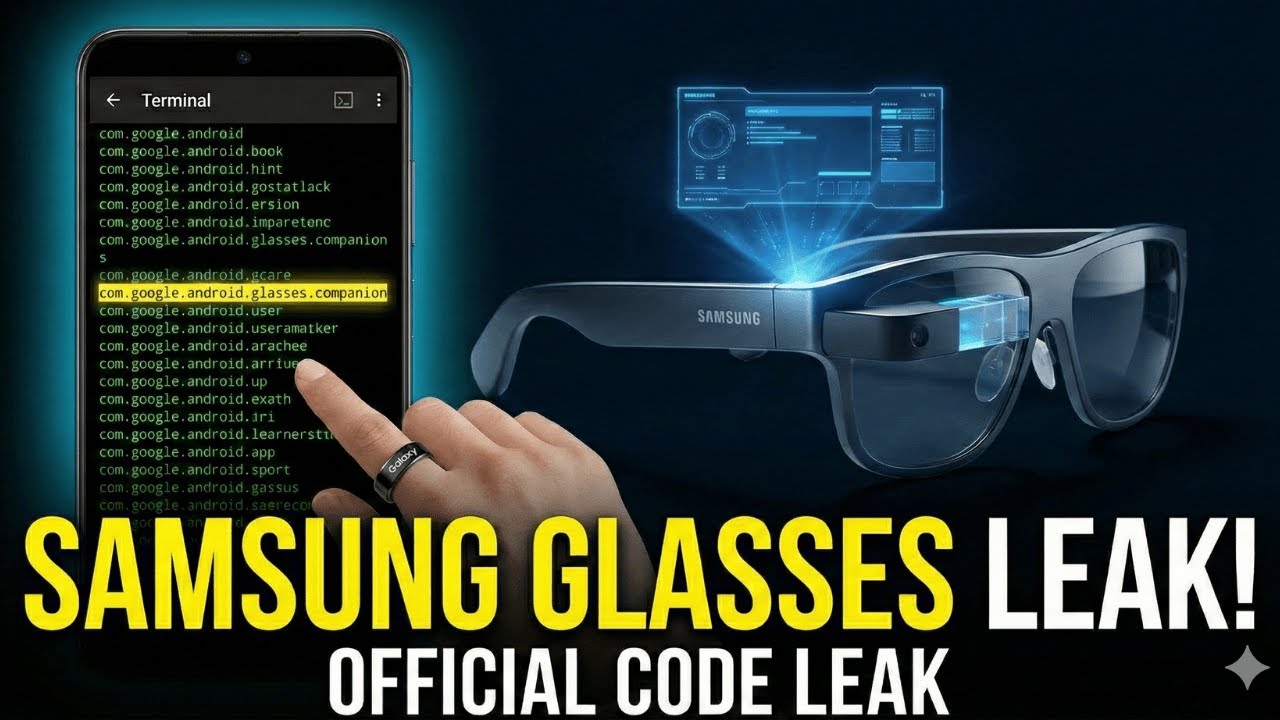
Samsung did not mean to tell us about Galaxy Glasses this way. A routine update to the company's Nearby Device Scanning app, part of the One UI system on Galaxy phones, quietly added a new device category called "Glasses" with references to Quick Pair support and battery status tracking. Firmware hunters found it within hours. Then the renders leaked. Then the specs. And now we have a clearer picture of Samsung's smart glasses strategy than anything the company has officially announced.
ArMay 4, 2026
Samsung Galaxy Glasses Just Leaked Through a Software Update. Here Is Everything We Know.
By Jordan Kuo
Staff Writer, VR.org
Advertisement
Two models are in development. The first, codenamed Jinju, is an AI-first pair with no built-in display that could ship as early as this summer. The second, codenamed Haean, adds a micro-LED display and is targeting 2027. Both run Android XR with Gemini integration. Both position Samsung directly against Meta's Ray-Ban partnership, which currently controls roughly 72% of the smart glasses market.
What Jinju actually is
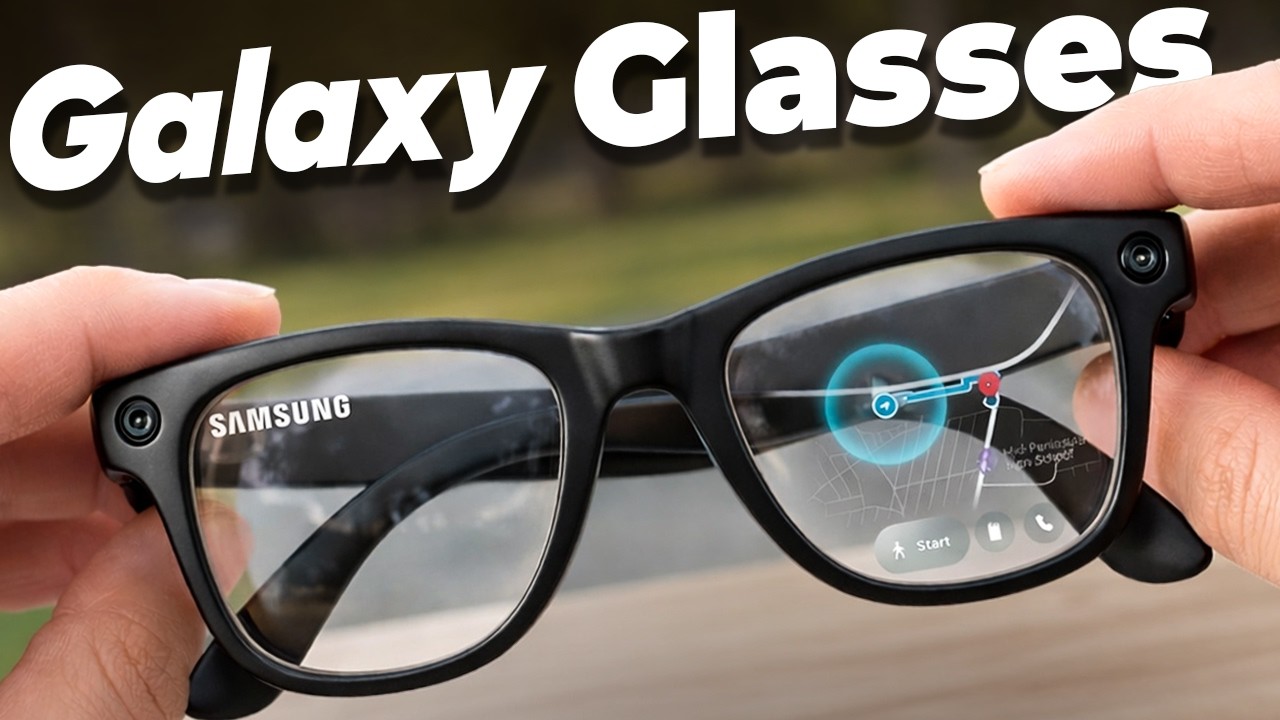
The first-generation Galaxy Glasses are not trying to be AR glasses. They are trying to be AI glasses. No heads-up display, no floating notifications in your field of view, no spatial computing layer. What you get instead is a pair of frames that look like normal glasses, weigh approximately 50 grams, and put Gemini in your ear.
The hardware spec sheet that emerged from firmware analysis and supply chain sources includes a Qualcomm Snapdragon AR1 processor, a 12-megapixel camera using Sony's IMX681 sensor, Bluetooth 5.3, Wi-Fi connectivity, and a 155mAh battery. Photochromic lenses that darken in sunlight are reportedly included, which means these are designed to work as your actual everyday glasses rather than a secondary device you put on for specific tasks.
The camera is the key input. Gemini uses it to see what you see, then responds through built-in speakers or bone conduction audio. Point at a restaurant menu in a foreign language and ask for a translation. Look at a product on a shelf and ask for reviews. Glance at a landmark and ask what it is. This is the same interaction model that Meta pioneered with Ray-Ban Meta, and it works because the friction is almost zero. You do not pull out your phone. You just ask.
The design leaked too
Renders that surfaced in late April show frames that are deliberately understated. Thin temples with a slight thickening where the electronics sit. Dual camera lenses positioned at the edges of the frame, small enough that you would not notice them unless you were looking for them. Samsung branding on one temple. No visible speakers or obvious tech indicators from the front.
The comparison that keeps coming up in coverage is that these look like glasses first and a gadget second. That is exactly the lesson that Ray-Ban Meta taught the industry: if people feel self-conscious wearing them, they will not wear them. Samsung appears to have internalized this completely.
Haean is the real AR play
The second model carries the codename Haean and is not expected until 2027. This is the one with a micro-LED display built into the lens, which would make it Samsung's first true AR glasses with visual overlay capability. Pricing estimates range from $600 to $900, positioning it as a premium product rather than a mass-market accessory.
Details on Haean are thinner. The display technology is confirmed through firmware references, and the price range comes from supply chain analysis, but we do not have renders, weight estimates, or a clear picture of what the AR experience will look like. What we do know is that Samsung is taking a two-step approach: ship the AI glasses first to build the ecosystem and developer interest, then add the display layer once the miniaturization and battery technology catch up.
Advertisement
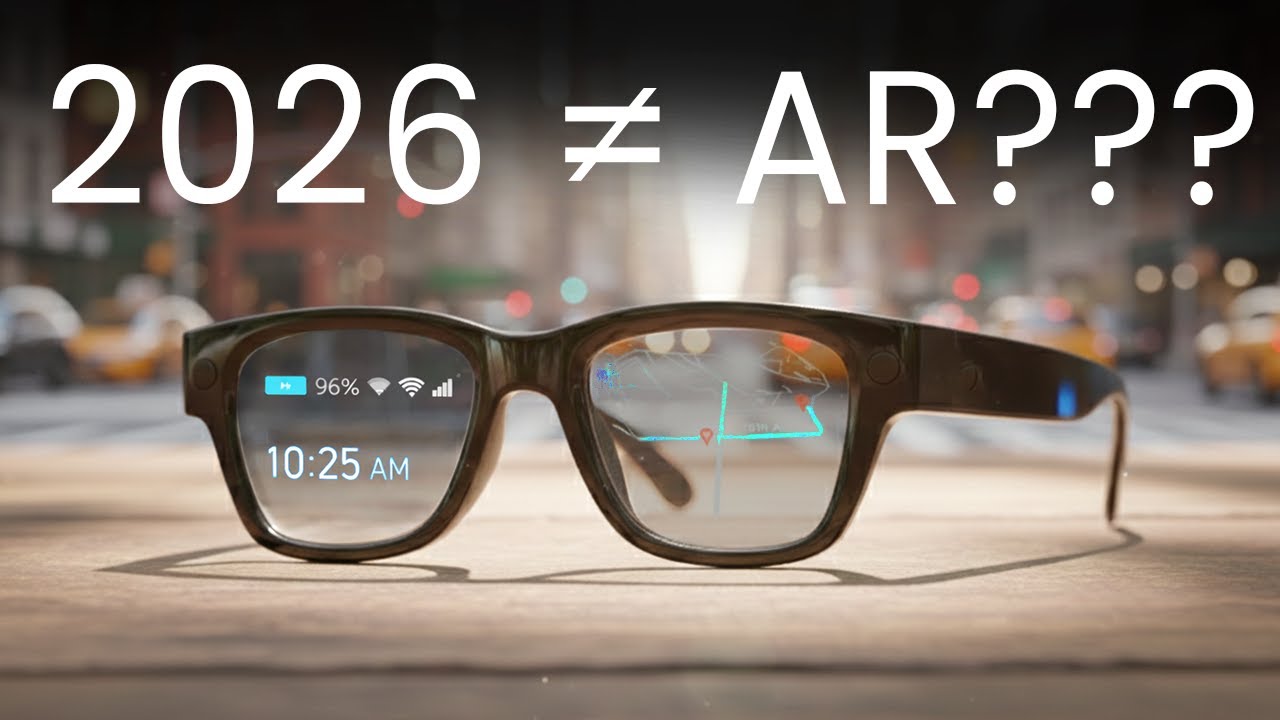
This mirrors Google's broader Android XR strategy. Warby Parker is also launching non-display AI glasses first, with display variants to follow. The industry consensus seems to be that AI glasses are ready for 2026, but AR glasses with meaningful display quality need another year.
Pricing and launch window
Jinju is estimated at $379 to $499. For context, the Ray-Ban Meta glasses start at $299 for the base model without transitions lenses. Samsung is pricing slightly above Meta but within the same general range, and the Qualcomm AR1 platform plus higher-resolution camera could justify the premium. If Samsung lands at $399, that is an easy impulse purchase for anyone already in the Galaxy ecosystem.
The launch window points to Galaxy Unpacked in July 2026, where Samsung is also expected to unveil the Galaxy Z Fold 8 and Z Flip 8. Smart glasses alongside foldables makes sense from a marketing perspective: Samsung positions itself as the company pushing mobile hardware forward on multiple fronts simultaneously.
There is also speculation that Google I/O on May 19 could include a teaser or joint announcement, given that Galaxy Glasses run Android XR and Google has been aggressively promoting the platform's hardware partner ecosystem. Whether Samsung shows up at I/O or saves the full reveal for its own event in July remains unclear.
What this means for Android XR
Count the Android XR glasses partners now: Samsung (Jinju and Haean), Warby Parker (two variants with $150M Google investment), Gentle Monster, Gucci (2027), and XREAL (Project Aura with optical see-through display). That is at least seven distinct products across five brands, all running the same platform, all launching within roughly 18 months of each other.
Google's strategy of building the platform layer and letting partners own the hardware is clearly working in terms of partner recruitment. The execution risk is fragmentation and quality control, as it always is with Android. But the sheer breadth of the lineup means that if you want smart glasses in 2026 or 2027, you will have options at every price point, every aesthetic, and every level of capability. That was never true before. The market went from zero credible Android XR glasses to half a dozen in under a year.
Samsung being in the mix adds manufacturing scale and distribution reach that smaller brands cannot match. Galaxy Glasses will be in Samsung stores, carrier stores, and Best Buy on day one. That retail presence matters for a product category that most consumers have never tried on.
The accidental leak is almost certainly going to accelerate Samsung's official timeline for announcements. Companies do not like losing control of their narrative, and the longer Samsung stays quiet now, the more the story gets shaped by firmware analysis and supply chain rumors rather than Samsung's own messaging. Expect something official before I/O, or at I/O itself. The glasses are clearly close to ready. The only question left is exactly when Samsung decides to stop pretending we do not already know about them.
Advertisement