
I need to talk about something that has been building all week, because this was not a normal week in XR news. In the span of seven days, Samsung's Galaxy Glasses leaked with two models and a July launch window. Apple confirmed it is testing four smart glasses designs for a late 2026 reveal. IDC published data showing smart glasses outsell VR headsets three to one. Google shipped developer tools specifically for building glasses apps. Meta opened its best VR interaction SDK to every engine and every headset. And in the middle of all that, H3VR2 got announced for Quest and reminded everyone that VR gaming is still very much alive.
ArMay 9, 2026
The Smart Glasses Wars Are Here. What Does That Mean for People Who Actually Play VR Games?
By Evan Marcus
Co-Founder, VR.org
Advertisement
That is a lot. And the dominant theme, the one that ties almost every story together, is glasses. Not headsets. Not VR. Glasses.
I run a VR news site. I play VR games almost every day. I have owned every major headset since the original Rift. I am exactly the kind of person who should feel threatened by the industry pivot toward smart glasses. So here is what I actually think about it, from the perspective of someone who cares about VR gaming more than anything else in this space.
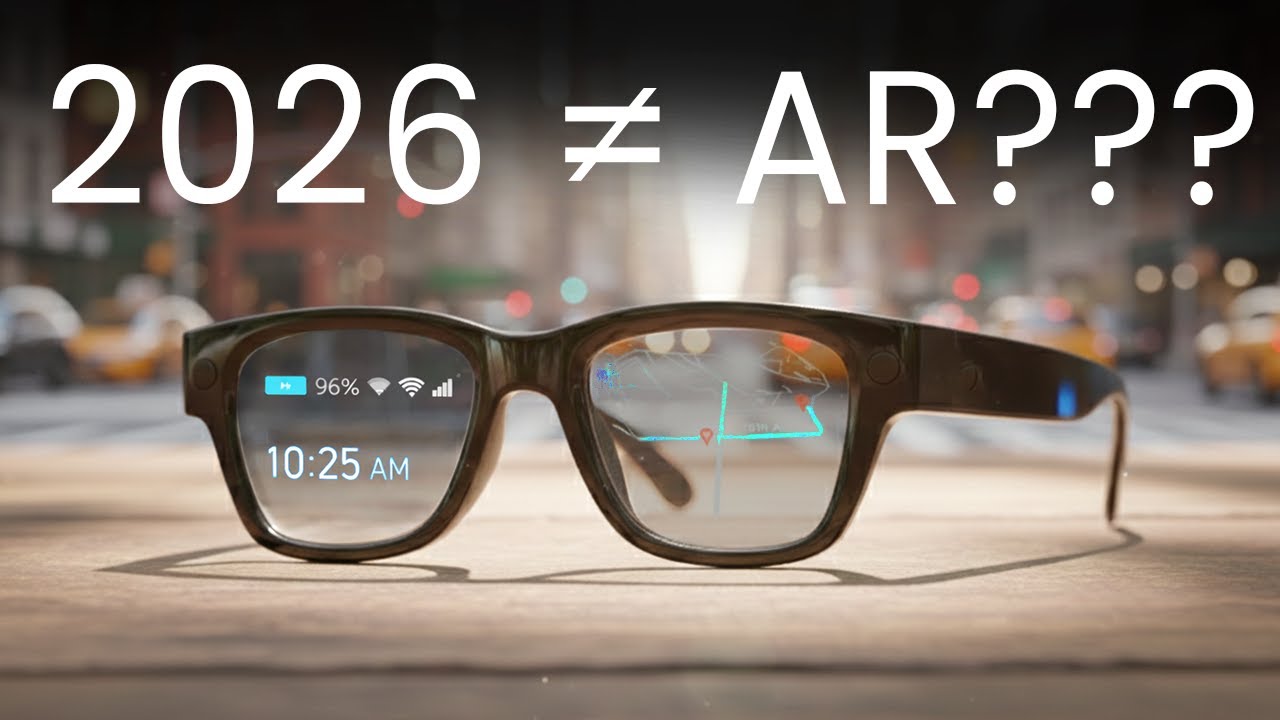
The data is not subtle
The IDC numbers from this week are hard to argue with. Global XR shipments grew 44.4% in 2025. Smart glasses accounted for roughly half of all units shipped, up from 25% the year before. VR and MR headsets declined 14% in the first half of the year. Meta Quest shipments specifically fell 42.3%. Ray-Ban Meta sold more than 2 million units and sales tripled in Q2.
Read those numbers as a VR gamer and the picture is uncomfortable. The growth in XR is real, but it is not coming from VR headsets. It is coming from sunglasses with cameras and speakers. The devices driving the market forward are the ones that do not play VR games. They take photos, answer calls, play music, and let you ask an AI assistant questions about what you are looking at. Useful features. Cool technology. Not VR.
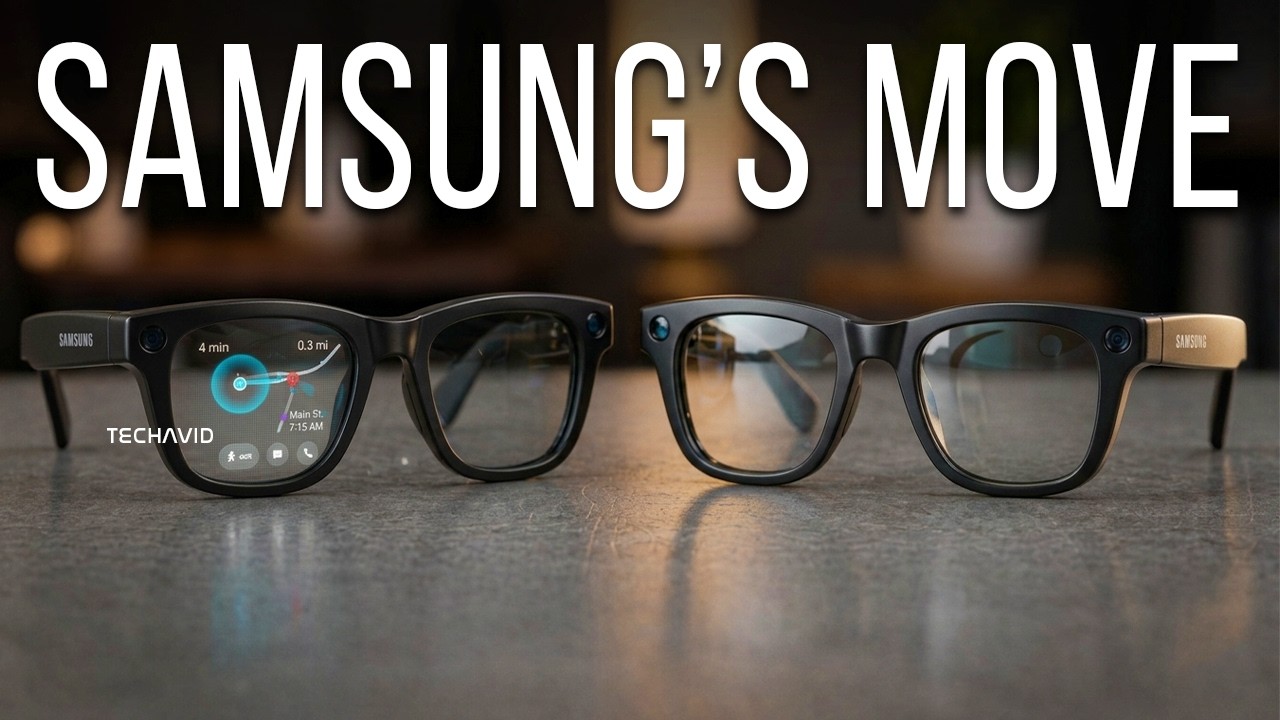
The companies building XR hardware have noticed. Samsung is launching AI glasses (Jinju) before its AR glasses (Haean). Apple chose to ship smart glasses without a display rather than wait for AR technology to mature. Google built an entire developer preview specifically for glasses apps. Warby Parker is making glasses, not headsets. Gucci is making glasses, not headsets. The entire industry roadmap for 2026 and 2027 tilts heavily toward the face-shaped device that does not involve virtual reality.
Why I am not panicking
Here is the thing that took me a few days to process: the smart glasses boom is not bad for VR gaming. It is neutral for VR gaming. The audiences are different. The use cases are different. The technology is different. Someone buying Ray-Ban Meta glasses to take hands-free photos on a hike was never going to buy a Quest 3 to play Gorilla Tag. These are separate markets wearing similar form factors.
Smart glasses are competing with AirPods and smartphones for attention, not with VR headsets. When Apple ships its glasses in 2027, the customers who buy them will be iPhone owners who want a more integrated wearable, not gamers who were on the fence about a Quest. When Samsung launches Jinju this summer, the people who buy it will be Galaxy users who want Gemini on their face, not people who were about to preorder a Steam Frame.
The fear, the one I see in VR communities all the time, is that companies will stop investing in VR headsets because glasses are more popular. And yes, that fear has some basis. Meta is clearly investing more in Ray-Ban than in Quest 4 right now. Sony has pulled back on PSVR2. HTC delayed the Vive XR Elite refresh. The DRAM shortage is making headsets more expensive at exactly the wrong time.
But investment in VR headsets is not disappearing. It is consolidating. Valve is building the Steam Frame and backed it with a controller that sold out in 30 minutes. Meta still sells more headsets than anyone and has Quest on a regular refresh cycle. Samsung's Galaxy XR headset is launching this year. Apple Vision Pro exists and will get a successor. The number of companies making VR headsets might be shrinking, but the ones still in the game are serious about it.
What glasses actually do for VR
Here is an argument I do not see enough people making: smart glasses growing the XR market is good for VR, even if glasses themselves are not VR. The reason is developer and consumer familiarity.
Right now, most people have never worn any kind of computing device on their face. The concept is unfamiliar. The social stigma is real. The word "VR" still conjures images of someone flailing around a living room with a box strapped to their head. Every person who buys a pair of smart glasses and wears them comfortably in public normalizes the idea that your face is a valid computing surface. Every person who gets used to an AI assistant that can see what they see gets one step closer to understanding why immersive VR, where the computer fully replaces what your eyes see, is compelling rather than weird.
Smart glasses are the gateway. Not for everyone. Not immediately. But for a meaningful percentage of people who try glasses, the natural next question will eventually be "what if these could show me a full virtual environment?" That question leads to headsets. It leads to VR gaming. And it leads there from a place of curiosity rather than skepticism.
Advertisement
The developer side matters even more. Google's Android XR SDK Developer Preview 3 shipped this week with tools for both glasses and headsets. The frameworks are shared. The APIs overlap. A developer who builds a glasses app today is learning skills and using tools that transfer directly to headset development. Meta's Interaction SDK going cross-platform means the interaction quality that makes Quest games feel good is now available to every engine and every headset. These are not glasses-only investments. They are platform investments that benefit everything on the platform, including VR.
What I am actually worried about
My concern is not that glasses will kill VR. My concern is more specific than that. I worry about content investment. The VR gaming pipeline has been thin in 2026. Studios have closed. Projects have been cancelled. The economics of VR game development are brutal because the install base, while growing in absolute terms, is still small compared to mobile or console. Every dollar that Meta, Google, or Apple redirects from VR content funding to glasses content funding is a dollar that does not go toward the next great VR game.
H3VR2 was a bright spot this week specifically because Meta backed its development and the developer confirmed it is coming to Quest with the full simulation intact. That kind of investment needs to continue. Not just from Meta, but from Valve (which has a strong track record of funding VR content for its platforms), from Sony (which needs to decide if PSVR2 has a future or not), and from Google (which needs Android XR headset games alongside glasses apps).
The other concern is narrative. When publications write "XR grew 44%" and the growth is entirely from glasses, that creates a misleading impression of what is actually succeeding. VR headsets did not grow 44%. VR headsets declined. The story should be "smart glasses are booming AND VR headsets are under pressure," not just "XR is thriving." Conflating the two does a disservice to the VR community because it obscures the real challenges the gaming side faces.
The two tracks
What I think is actually happening is that XR is splitting into two parallel tracks, and that split is permanent.
Track one is smart glasses. Everyday wearables. AI companions. Camera-first, audio-first, maybe eventually display-first. Fashion products. Mass market. Hundreds of millions of potential users. This is the track Samsung, Apple, Google, Warby Parker, Gucci, Gentle Monster, and Meta (through Ray-Ban) are all racing on. This track will be enormous. It will generate most of the revenue, most of the press coverage, and most of the mainstream attention.
Track two is VR headsets. Immersive computing. Gaming, training, creative tools, social experiences. Enthusiast and professional products. Tens of millions of users, eventually, but never the hundreds of millions that glasses will reach. This is the track Valve, Meta (through Quest), Samsung (through Galaxy XR), Apple (through Vision Pro), and a handful of dedicated VR companies are building on. This track will be smaller but deeper. The experiences it enables, full presence in a virtual world, are something glasses can never replicate.
Both tracks run on the same underlying platforms: Android XR, Meta Horizon OS, visionOS. Both benefit from the same silicon improvements, the same display technology advancements, the same AI capabilities. They share infrastructure but serve different needs. A person can own both smart glasses and a VR headset, the same way a person owns both headphones and a home theater system. They are not competing for the same moment in your day.
Where this leaves me
I am optimistic about VR gaming in a way that might seem contradictory given everything I just wrote about glasses taking over the market. But the contradiction is only apparent. VR gaming does not need to be the biggest thing in XR to be great. It needs great hardware (the Steam Frame, Quest next-gen, Galaxy XR, Vision Pro 2 are all coming). It needs great games (H3VR2, Roboquest VR co-op, and whatever Valve is building for Steam Frame give me hope). And it needs a development ecosystem that keeps improving (Meta's ISDK going cross-platform and Google's shared SDK both help).
The glasses era is not the end of VR. It is VR finding its actual size in a larger market. And that size, a dedicated enthusiast and professional market supported by the biggest technology companies in the world, is a pretty good place to be. I would rather VR be a thriving niche with incredible content than a failed attempt at mass market dominance.

The smart glasses wars are just getting started. Samsung, Apple, Google, and Meta are all in. The hardware is coming fast. The developer tools are shipping. The market data shows explosive growth. I will cover all of it here at VR.org because it matters to the broader XR ecosystem and because a lot of you reading this are curious about glasses too.
But I will also keep covering VR games, VR headsets, and the people building experiences that only work when you put on a headset and disappear. Because that is what got me into this, and the smart glasses on my desk are not going to change that. They are going to sit next to my Quest, and I am going to use both, and that is fine.
The industry is big enough for two tracks. This week proved it.
Advertisement