
Valve's partner documentation for Steam Frame compatibility currently reads: "VR titles: your game must run at a minimum of 72 fps at 1728x1728 during normal play." That is the live bar for the Verified badge. It is not the bar Valve announced, and it is not the number we published.
SoftwareAugust 5, 2026
Valve Quietly Cut the Steam Frame Verified Requirement From 90 FPS to 72
By Nina Castillo
Staff Writer, VR.org
Advertisement
At GDC 2026 in March, Valve said standalone VR titles would have to hold 90 frames per second to earn Steam Frame Verified. Every outlet covering that talk ran the figure, this one included. It was a genuinely surprising requirement. Meta and Pico both certify at 72Hz, and the Frame runs a Snapdragon 8 Gen 3 rather than a dedicated XR chip.
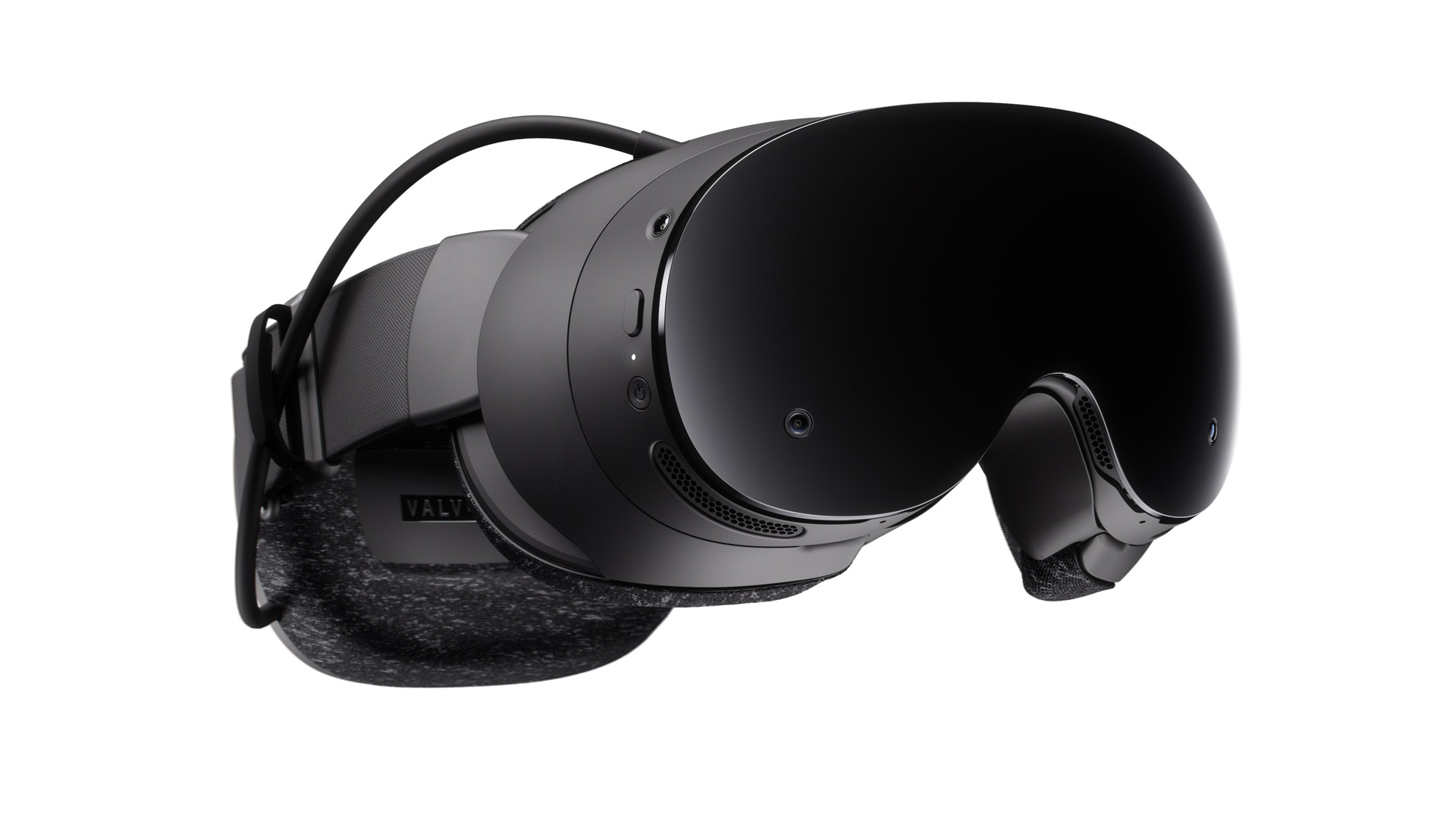
Then Valve changed it. No changelog, no blog post, nothing on the page itself. A reader who goes by Simplex (@SimplexPL on X) emailed us this week to point out that we were still repeating the old number, which is the only reason this correction exists.
Read the resolution, not just the framerate
The number worth your attention here is not 72. It is 1728.
Valve now pins the requirement to a specific render target of 1728x1728 per eye. The Frame's panels are 2160x2160 per eye, so the certification bar sits at 80 percent of native in each dimension, or roughly 64 percent of the pixels. The 90 FPS figure announced at GDC carried no resolution at all. Moving from an unqualified 90 to a qualified 72 is a smaller retreat than the headline number suggests, though it is still a retreat.
There is a floor underneath the floor too. That part is new. VR games rendering below 1440x1440 "will appear with an Unsupported badge," per the doc. Unsupported is not a gentler tier of Verified. It is the same label Valve hangs on games that do not run on the hardware at all.
Reprojection is carrying the difference
The 90Hz target did not disappear so much as change owners.
Alongside the performance requirement, Valve now strongly recommends developers submit motion vector and depth data suitable for reprojection. Reprojection is the technique where the runtime synthesizes an intermediate frame out of the last real one, warping it to match where your head has moved since, so motion stays smooth even when the game underneath is rendering slower than the display refreshes. Meta ships a version of this as Application SpaceWarp. Valve's wording is precise: supplying that data "will enable users to optionally run at higher refresh rates using improved reprojection techniques."
Hitting 90 has moved from your render loop to Valve's compositor. Ship motion vectors and depth, and the user gets the option to run the headset faster than your game natively draws. Skip them and they do not.
Valve has also added a Performance Assessment Overlay to SteamVR so you can measure against the target directly. That tooling arguably should have landed next to the original announcement.
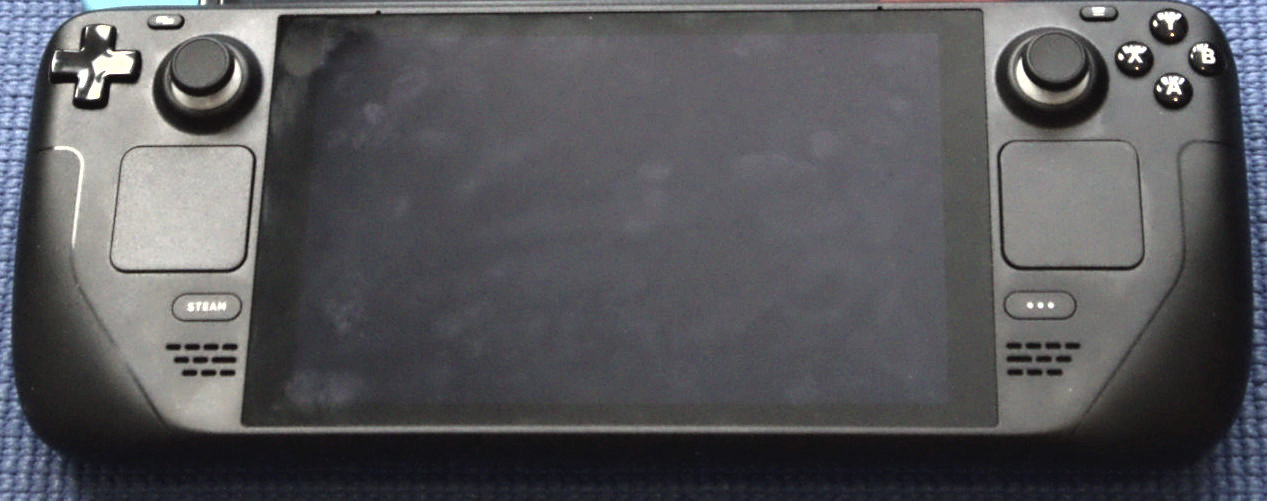
Worth remembering that this whole program is a direct extension of the Steam Deck compatibility review, which Valve says outright in the same document. Deck Verified reshaped what performance targets developers actually aimed at. The badges here carry the same four names: Verified, Playable, Unsupported, Unknown.
The badge is no longer stricter than Quest
Our April article on this ran under a headline calling Steam Frame Verified stricter than Quest and Pico. That framing is dead. On the raw framerate, Valve has landed exactly where Meta and Pico already were, and what distinguishes the requirement now is the render resolution bolted to it rather than the frames themselves.
How long has it read this way? Longer than we assumed. The Internet Archive's captures of the compatibility page begin on May 13, 2026, and that earliest snapshot already says 72 fps at 1728x1728. So does every capture after it, through the end of July. No archived copy showing 90 exists at all, which puts the change on or before May 13 and means the current requirement has been sitting in public for nearly three months. As of this writing, the original March coverage at Road to VR and UploadVR still carries 90 FPS with no correction attached, which says less about either outlet than it does about how quietly a gated document can be edited.
We have added a correction to our April piece. If you are building for the Frame, go read the compatibility document yourself instead of trusting a summary of it, this one included.
Credit: A reader who goes by Simplex (@SimplexPL on X) emailed us the current wording of Valve's compatibility document, which is the only reason we caught this and the only reason this piece exists. He tells us he first saw the line flagged by a developer in an r/SteamFrame thread rather than finding it himself, which is a more honest accounting than most tips arrive with. Several outlets have since picked up the change and credited VR.org, Road to VR among them. The credit belongs a step further back.
Advertisement