
Every platform that runs somebody else's software eventually has to publish a ledger, because a translation layer is an architectural promise right up until the point where you can see which specific programs are leaning on it. Valve made the promise public in early August, when Lepton and FEX turned up on the Steam store as real app entries alongside Proton, giving the Steam Frame three compatibility layers before the headset had a price or a release date. The question left over was which of the three would end up carrying the catalog.
SoftwareSeptember 11, 2026
52 of the Steam Frame's 130 Certified Games Run Through Valve's Android Layer
By Jordan Kuo
Staff Writer, VR.org
Advertisement
That answer has been accumulating in public metadata ever since. Every title Valve certifies for the headset gets a recommended_runtime value in its Steam app record naming the layer Valve expects it to run through, and read across the full certified list on Friday it breaks down like this. Of the 130 games carrying the Great on Frame badge, 67 point at proton-stable. Fifty-two point at lepton-stable. Five are native Linux builds, two sit on Proton Experimental, and four carry no runtime value at all. Two fifths of the certified shelf is not a Windows game being translated for ARM. It is an Android build.
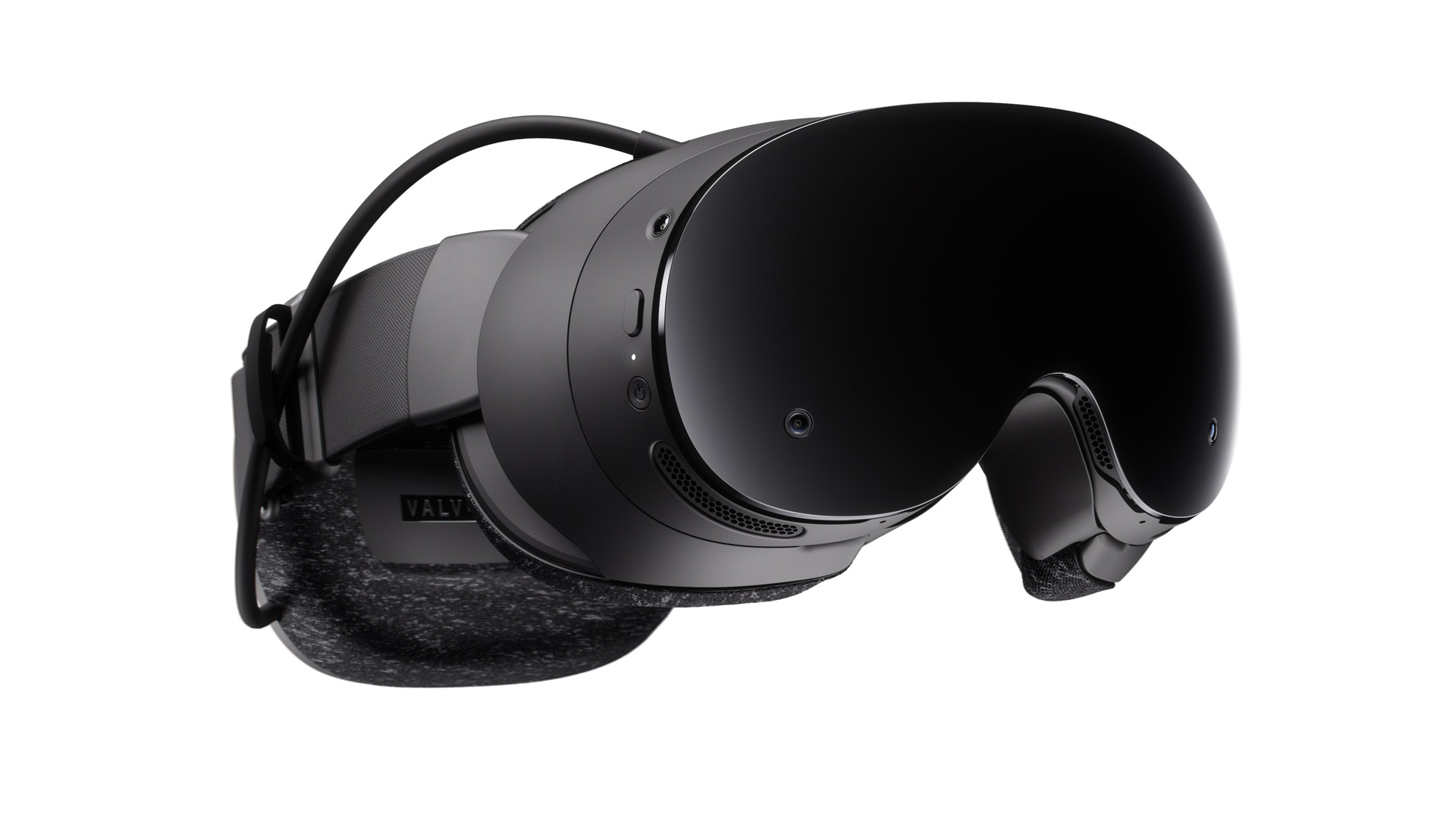
Valve's own registry says what Lepton is
The compat tools registry inside app 3043620, the internal list Valve keeps for Frame compatibility tooling, gives each layer its aliases and the direction it translates. Lepton is app 3029110, its aliases are lepton-stable and fauxdroid, and its declared direction runs from_oslist: android to to_oslist: linux. Proton 11.0 (ARM64) sits in the same registry translating from Windows, with Steam Linux Runtime 4.0 for arm64 underneath it as a hard dependency. A lepton-stable assignment is therefore not ambiguous about what got tested. Valve ran the Android build.
The oldest Lepton assignment still standing belongs to UNDERDOGS, One Hamsa's 2024 mech brawler, last tested on July 7. Sorting the whole list by test date, 27 Lepton records were last touched in July, 16 in August and nine so far in September, which makes this the first month where the titles Valve tested or retested skew toward Android, nine against eight for everything else combined. Four of those nine landed this week: Waltz of the Wizard on Wednesday, then Boxing Underdog, Noun Town and Real VR Fishing inside a single Thursday afternoon.
Three Steam pages with no PC build behind them
The clearest evidence is not in the metadata at all. It is sitting on three store pages that look broken the first time you open one. Pavlov Shack, the standalone version of Vankrupt's shooter that has lived on Quest headsets for years, went live on Steam on August 21 with every desktop platform flag set to false. No Windows, no macOS, no Linux. The page carries no system requirements section, because there is no PC build to state requirements for, and the purchase box reads "VR Only" above an Install Game button gated behind owning Pavlov.
Advertisement
Table Space, Boxtree's board game sandbox, followed on August 24 under the same arrangement. Action Hero, from Fast Travel Games, is listed for the third quarter and was certified on Lepton on August 24, which means Valve has been running compatibility passes on an unreleased Android title that Steam intends to distribute. Three pages is a small number. Three pages is also Steam selling VR software that cannot run on a PC, which is a thing the storefront's plumbing had to be rearranged to allow.

The depots say it from the developer's side
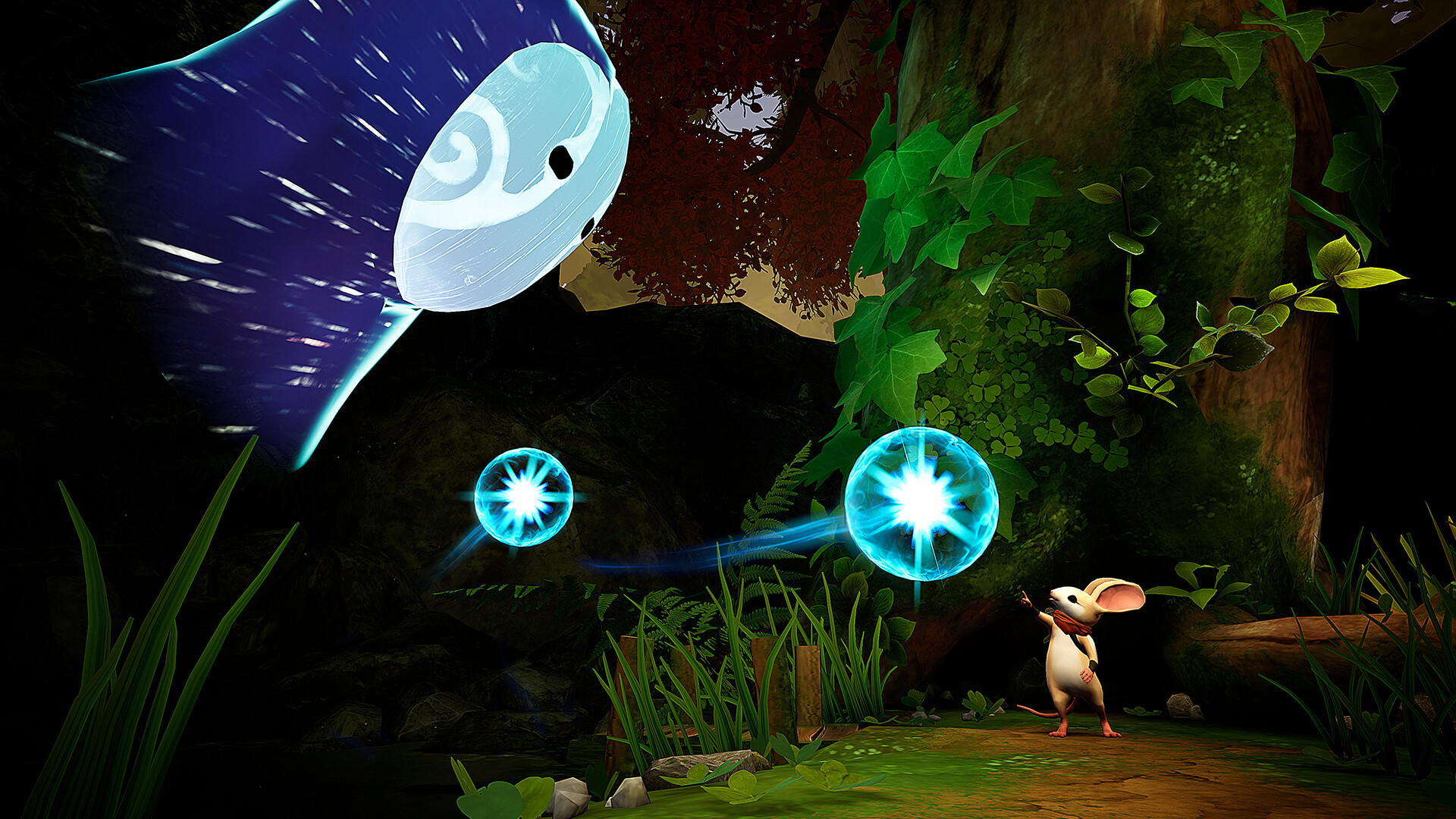
Existing PC VR pages are quietly growing Android depots underneath them. Moss VR, Polyarc's 2018 puzzle adventure, still carries its original Windows depots and now carries depot 846472 flagged android next to them, and Valve certified it on Lepton on September 3. RUMBLE has depot 890559 on the same flag. Real VR Fishing carries android depot 1266472 while its store listing still advertises Windows and nothing else, which is why Thursday's certification reads as a Lepton title on a page that never mentions Android.
Counted across the 130, 52 titles carry an Android depot, and 48 of those are among the 52 pointed at Lepton. The overlap failing to be total in either direction is the interesting part. HARD BULLET and Into Black both ship Android depots and Valve certified them on proton-stable anyway, having evidently found the Windows build through translation better than the developer's own Android one. Four Lepton titles show no public Android depot, though all four list Android in their platform data, and Steam does not expose every depot to the outside.
The porting math is not what it looked like in spring
A studio holding a finished Quest build now has, on this evidence, most of a Steam Frame build, and the remaining work is an upload and a certification pass rather than a rebuild against an unfamiliar runtime. A studio holding only a PC VR build gets Proton and FEX doing the translating instead, at the performance cost Valve's own first-party demos have been failing on since The Lab was cut to Unsupported for graphics performance in July and left there. Aperture Hand Lab sits at the same rating for the same reason. Those two paths are not equally cheap, and the certified list has started to show which one Valve finds easier to bless.
Anyone who shipped software through the Android fragmentation years will recognize the move, because platform holders rarely announce a preferred build target. They make one path shorter than the other and let the catalog find its own level. What makes this version unusual is the direction of travel. The Frame was sold as the headset that would finally bring the PC VR library to standalone hardware, and the store is filling up with Quest software going the other way.
None of it tells you when the thing ships. The same two of the Frame's seven backend packages that moved on September 3 moved again on Thursday evening, three minutes apart both times, while the other five have not changed since May. There is still no price, no date, and eleven days of summer left.
Advertisement