
On 19 June, one of the world's largest defense primes signed a memorandum of understanding with a small Australian virtual reality training company. There was no keynote, no product reveal, and outside of ASX filings and a handful of defense trade sites, almost no coverage. It is the kind of business news the VR world routinely misses because it does not come wrapped in a headset launch. It is also, quietly, one of the more meaningful enterprise XR data points of the year, and it is worth explaining why.
EnterpriseJuly 3, 2026
Thales Just Made a Small Aussie VR Startup Its Defense Training Partner. That Is Bigger Than the Non-Binding MOU Suggests.
By Sam Whitfield
Contributing Writer, VR.org
Advertisement
The deal is between Thales Australia, a wholly owned subsidiary of the $22-billion-a-year French defense and aerospace giant Thales, and Operator XR, the training arm of ASX-listed xReality Group (ticker XRG). The MOU is non-binding, and Operator XR was careful to say so in its own filing. What matters is not the paper itself. It is the shape of the relationship, and what it says about which layer of the enterprise XR market is actually building durable business.
What the two sides actually bring
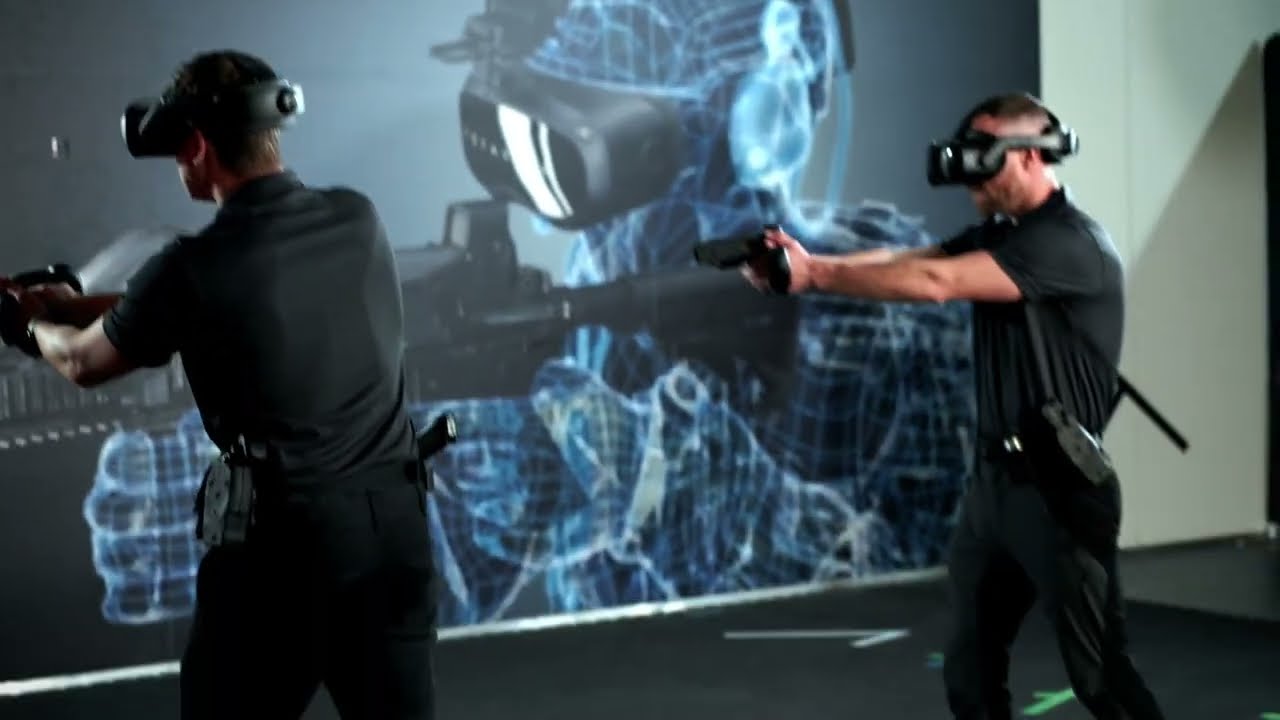
Start with Operator XR. The company's flagship product is the OP-2, a portable VR training system that ships in a case under 40 pounds and pairs commercial headsets with custom IoT sensors that let officers train with their service weapons and equipment inside scenario-based simulations. The catalog of scenarios covers de-escalation, use-of-force decision-making, vehicle stops, active shooter response, and crisis intervention. Operator XR says the platform is in service with more than 100 military and law enforcement agencies internationally, which is not a huge installed base by consumer VR standards but is a real footprint in a market that measures adoption in framework agreements, not units sold. The parent company, xReality Group, is a microcap on the Australian Securities Exchange, and this MOU is exactly the kind of channel news that moves a small-cap defense supplier.
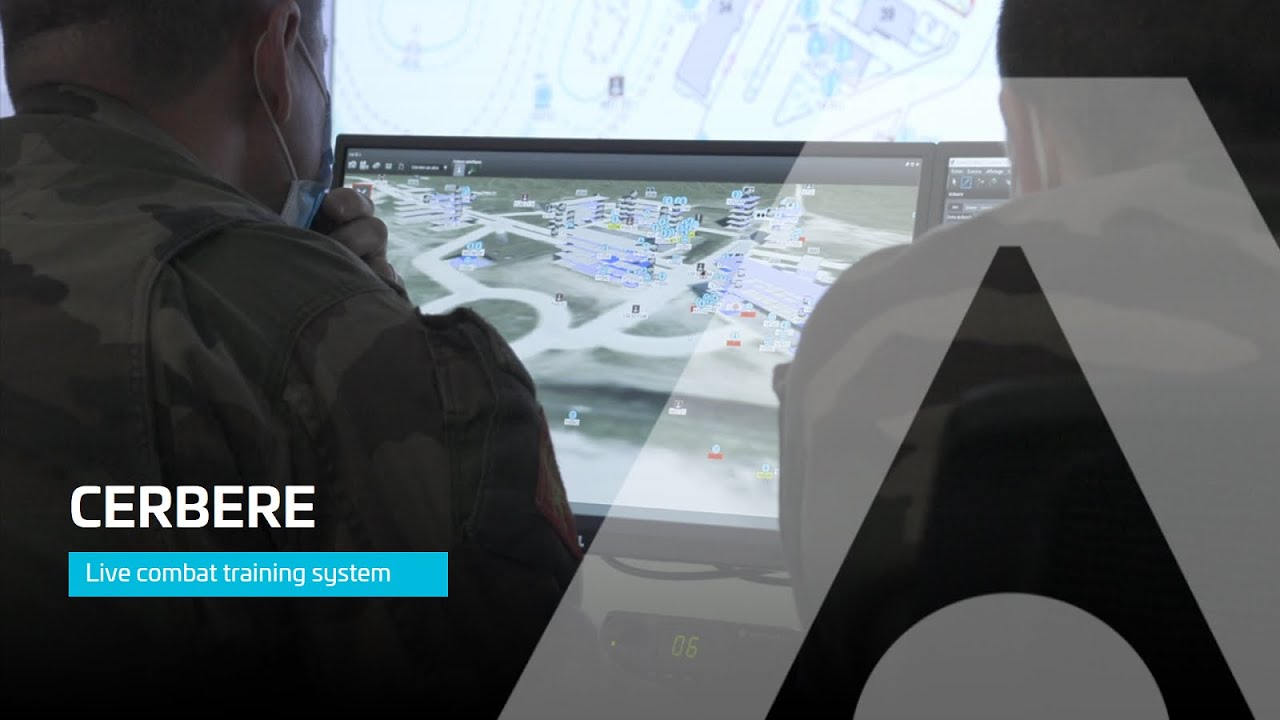
Now put Thales on the other side of that trade. Thales is one of the world's top training and simulation vendors, with fielded live-training systems like the CERBERE tactical engagement suite at the French Army's CENZUB combat training center, the GLADIATOR modular simulation stack in use across French, Swiss, and British armies, and full-motion flight simulators used by air forces and commercial airlines worldwide. Thales Australia specifically has deep incumbency in Australian sovereign defense procurement, which is a very hard bar for a startup to clear on its own. When a company at that scale signs an MOU that says either side can lead a bid and pull the other in as prime or sub, that is not a small validation. It is a global defense prime effectively telling its customers that Operator XR's VR training platform is an acceptable partner brand on programs Thales is bidding.
Why the reciprocal structure matters
The specific language in the announcement is worth reading closely. The MOU sets up a framework where Operator XR and Thales Australia can jointly pursue training and simulation programs across defense, security, and law enforcement. Either side can lead. Roles as prime contractor, supplier, or subcontractor shift depending on the program. That is meaningfully different from the more common arrangement where a specialist gets pulled in as a subcontractor to a prime's proposal and stays there.
Advertisement
Reciprocity does two things. First, it gives Operator XR the ability to bid programs at Thales scale, with Thales riding shotgun as a systems integrator, an ability a hundred-agency startup simply does not have on its own. Second, it gives Thales an in-region VR training platform to plug into its own pitches without having to build it from scratch or acquire it. That second half is where I would focus. Thales already fields plenty of simulation hardware. What it does not natively ship is a portable scenario-based VR platform in service with police forces. That capability now sits on the other end of an MOU rather than inside a build-versus-buy analysis at Thales headquarters. If the joint pitches convert, that build-versus-buy question does not need to be asked at all.
The bigger pattern: specialists are consolidating enterprise XR
Regular readers will know I have been beating this drum for a while. Back in May I argued that Apple, Meta, and Microsoft have effectively vacated enterprise XR hardware, and that specialist vendors built for the work were quietly moving into the gap. That piece was about the hardware layer, where Pico, Vuzix, and RealWear now anchor the market that Vision Pro, Quest for Business, and HoloLens no longer serve.
This deal is the next layer of the same story, and to me it is the more interesting one. Enterprise XR is not just Pico headsets waiting for buyers. It is scenario-based training platforms, deployment services, secure device management, hardware-in-the-loop weapons integration, and increasingly, the joint bid teams that carry all of that through a government procurement cycle. The companies winning right now are the ones with a purpose-built platform and a channel to the primes. Operator XR just got the channel. Whether it converts to signed contracts is the real question, and one nobody can answer today.
What to watch next
Two things. First, the actual bid pipeline. Non-binding MOUs are cheap. A Thales-plus-Operator XR joint proposal on a real defense or law enforcement training program, in any of the four or five markets Thales is strongest in, is not. If one of those shows up in a filing in the second half of 2026, this deal has legs. If nothing shows up by year end, it stays a good press release and a mildly interesting slide in an investor deck.
Second, whether any other global prime signs a similar arrangement. Thales is not the only defense contractor building out its simulation portfolio, and it is not the only one that could use a VR-native training platform without wanting to build one internally. If a second prime follows suit with a specialist VR training vendor in the next six months, we are looking at a genuine consolidation pattern. Enterprise XR, unlike consumer VR, does not get proven by unit sales or launch-day queues. It gets proven when the incumbents in the customer's procurement stack decide the specialist is safe to endorse. On June 19, one of them did.
Advertisement