
When the Apple Vision Pro team got quietly redistributed across other parts of Apple this week, it closed a chapter in enterprise extended reality that almost nobody is talking about correctly.
EnterpriseMay 8, 2026
Apple, Meta, and Microsoft Are All Out of Enterprise XR Hardware. The Vendors Picking Up the Slack Were Built for This Work.
By Sam Whitfield
Contributing Writer, VR.org
Advertisement
The story is not that Apple gave up on a consumer headset. Most observers saw that coming a year ago. The story is that Apple's Vision Pro shutdown completes a clean sweep. Three of the largest companies in the world all built dedicated enterprise XR programs over the last decade. Three of them have now exited.
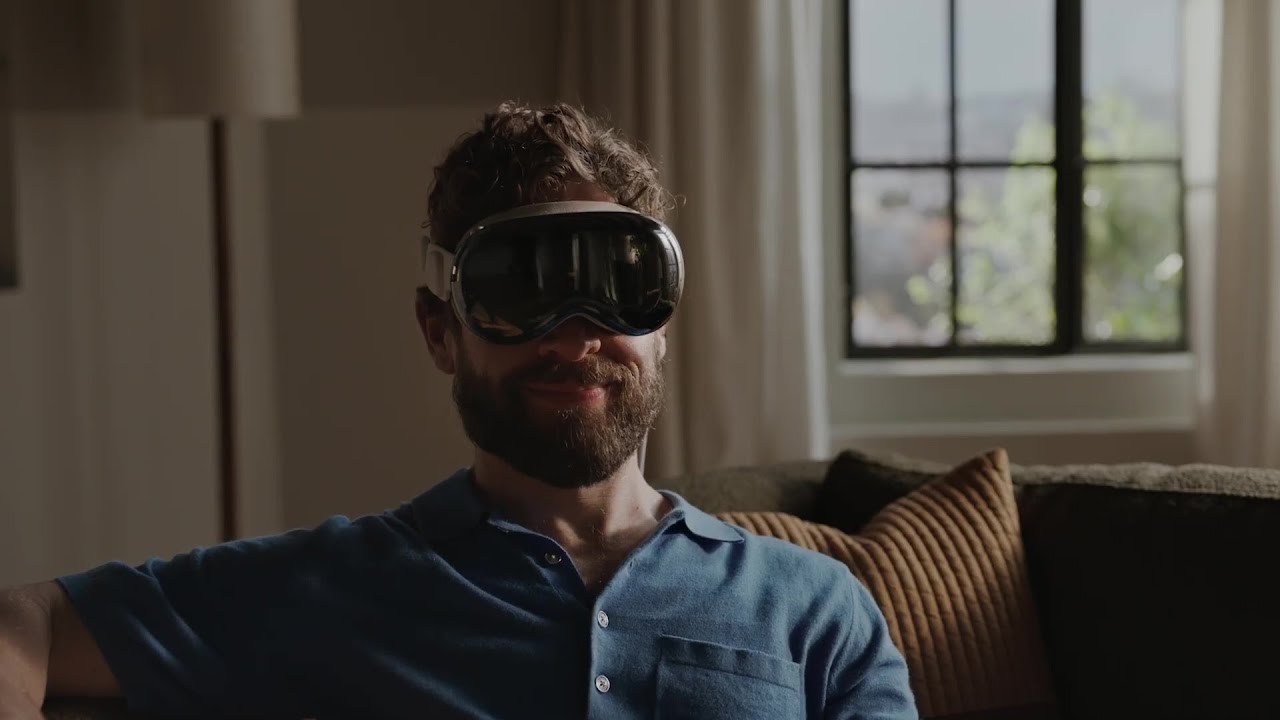
Microsoft killed HoloLens hardware production in late 2024 and ended Mesh, its mixed-reality collaboration platform, in December 2025. The military IVAS contract went to Anduril. Meta announced in January that Horizon Workrooms would be discontinued on February 16, 2026, and that sales of commercial Quest SKUs and the Horizon Managed Services subscription would stop on February 20. Apple's Vision Pro team was disbanded last week, with engineers reassigned to AI smart glasses and Siri.
The combined message from these three companies is not subtle. The most expensive corporate-funded experiments in enterprise XR have all wound down inside a fourteen-month window.
What makes this strange is that the demand has never been stronger. Forrester's 2026 update to its Total Economic Impact study commissioned by Meta still pegs enterprise VR training ROI at 219 percent with payback under six months. IDC analysts now estimate worldwide enterprise spending on AR and VR will hit roughly $12 billion in 2026, up about twenty percent year over year. Industry surveys put 75 percent of Fortune 500 companies on at least one active VR program, and roughly 91 percent of large enterprises say they are using or planning to adopt some form of XR for training, design, or operations.
So if Big Tech is leaving and the customers are not, somebody is taking the contracts. The somebody is a category of vendor that almost never gets covered by the consumer tech press.
The vendors that were built for this
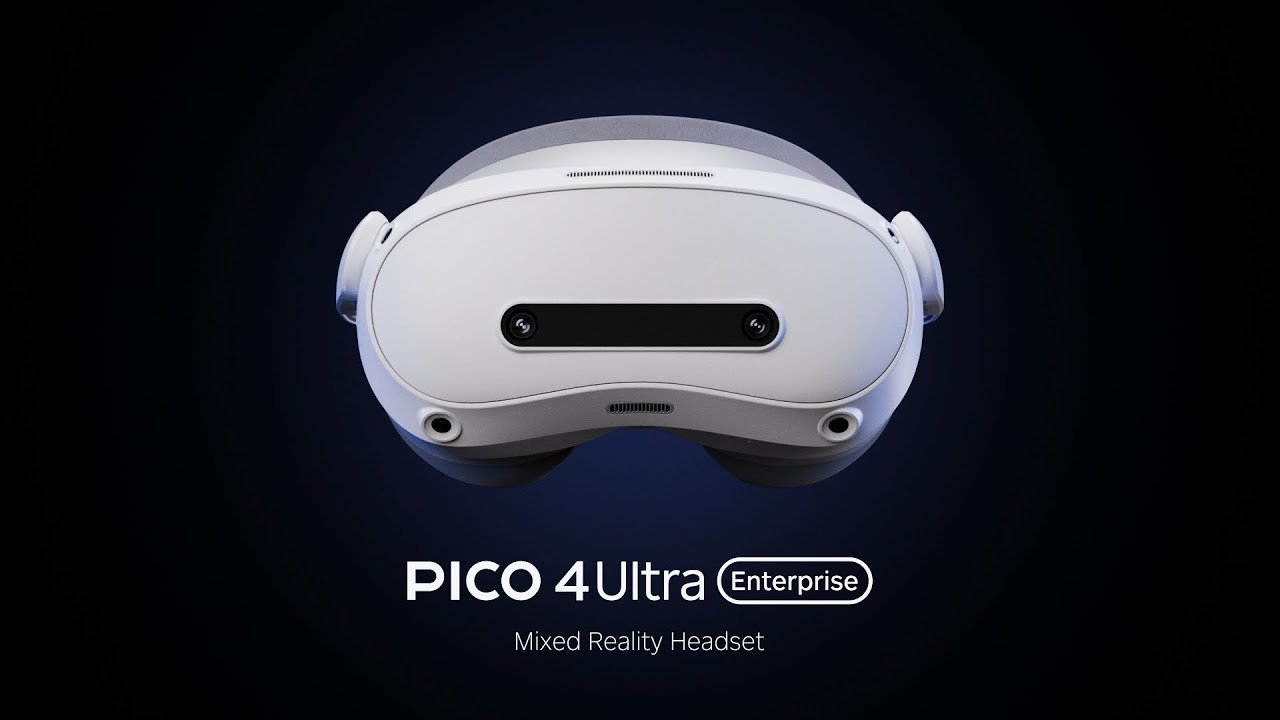
Pico, the ByteDance-owned headset maker, has been running an Enterprise Summit series across Europe and the United States this spring with a single message. Pico is positioning itself as a dedicated enterprise XR platform, not a consumer device with an enterprise SKU bolted on. Its Pico 4 Ultra Enterprise headset includes the Pico Business Suite for centralized device management, Wi-Fi 7 for industrial environments, and a published support roadmap that does not depend on consumer-side success.
Vuzix, which has shipped enterprise smart glasses for over a decade, launched Vuzix Solutions in February. The new portfolio combines its hardware with pre-configured deployment kits including native Microsoft Teams and Zoom integration optimized for head-mounted displays. The first kit, Remote Assist, is shipping today through resellers. The pitch is unglamorous and exactly right for the buyer profile: hands-free remote video help that a frontline tech can put on without an IT ticket.
Advertisement
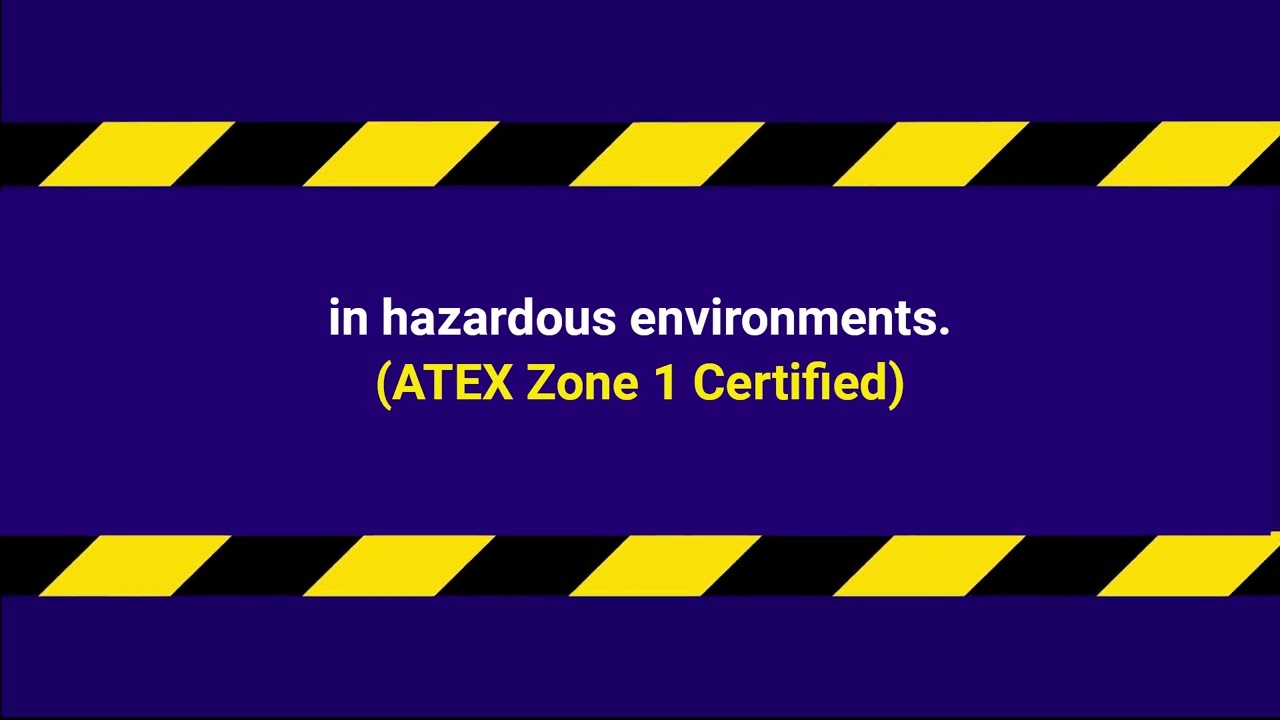
RealWear has gone in a similar direction with the Navigator 520 and the intrinsically safe Z1 variant. These are not VR headsets. They are assisted-reality wearables built to a hard hat form factor for utilities, oil and gas, manufacturing, and field service. The Z1 is rated for explosive environments. The 520 is drop-tested and operates up to 122 degrees Fahrenheit. They sell because the consumer headset roadmap has nothing to offer the industrial floor.
Lenovo's ThinkReality VRX, sitting in the same Snapdragon XR2+ family as the Quest 3, has slowly become a default option for IT departments that already buy ThinkPads. The hardware is competitive, but the more interesting fact is that Lenovo is now launching a separate Android XR device aimed at industrial verticals with an ANSI Z87.1 safety rating. That is the kind of certification you do not bother getting unless you are serious about the buyer.
Magic Leap 2, which spent its consumer years as a punchline, has quietly settled into healthcare and defense work. Samsung's Galaxy XR, despite the consumer marketing, is actually being co-developed with Google and Qualcomm with enterprise as a primary target.
Why this is probably the better outcome
There is a real argument that enterprise XR was never going to thrive inside the priorities of a Big Tech consumer roadmap. Apple was always going to optimize Vision Pro for the next iPhone story, not for a shop floor. Meta was always going to reallocate Quest engineering toward whatever sells in volume. Microsoft was always going to subsidize HoloLens out of an enterprise software business that has no patience for a slow hardware revenue ramp.
The companies inheriting these contracts have a different relationship to time. They publish roadmaps that span three to five years. They certify devices to industrial standards. They sell through channel partners who sit inside the IT vendor stack a CIO already trusts. They do not need a billion-dollar consumer flywheel to justify a deployment.
For an enterprise buyer trying to plan a five-year training rollout, that profile is a feature. The retreat of Apple, Meta, and Microsoft from dedicated enterprise XR hardware is not the end of the category. It is the moment the category stopped being a side project for companies that were never going to take it seriously and became the main business for companies that always would.
That is a healthier setup. It just looks like a collapse from the wrong angle.
Advertisement