
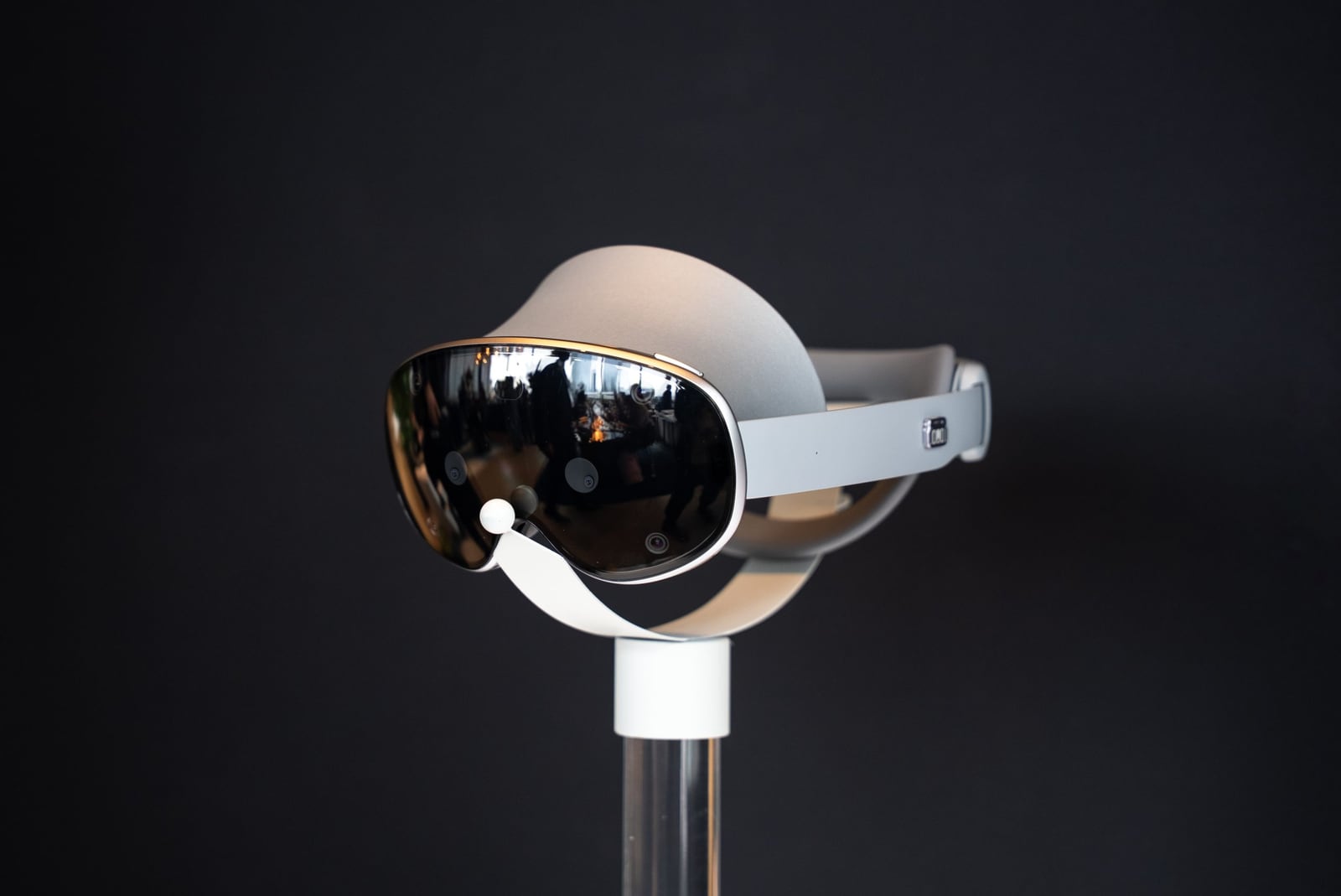
Samsung quietly shipped one of the most significant firmware updates in XR history last month, and the enterprise world is only now starting to process what it means. The Galaxy XR headset now supports full Android Enterprise integration, Samsung Knox security management, and a five-year commitment to software and security updates. In practical terms, the headset that launched as a consumer mixed reality device can now be deployed, locked down, and managed at scale by corporate IT departments the same way they manage a fleet of Galaxy phones.
EnterpriseMay 15, 2026
Samsung Galaxy XR Just Became an Enterprise Device. Here Is What Changed.
By Sam Whitfield
Contributing Writer, VR.org
Advertisement
What the Update Actually Does
The April 7 firmware release added Android Enterprise's fully managed and dedicated device modes to Galaxy XR. IT administrators can now enroll headsets through Android zero-touch provisioning, QR codes, or Device Policy Controller identifiers. App deployment runs through Managed Google Play with support for direct installation and remote updates. That means a hospital system can push a surgical training application to 200 headsets overnight without anyone touching the devices.
Knox adds hardware-level security on top of Android Enterprise's software controls. Admins can set password policies, configure network access restrictions, impose device-level limitations, and remotely lock or wipe headsets if they go missing. For industries dealing with sensitive data like healthcare records or proprietary manufacturing processes, that remote wipe capability alone makes Galaxy XR viable where it was not before.
Microsoft also announced Intune support for Android XR enterprise management, which means organizations already using Microsoft's endpoint management tools can fold Galaxy XR headsets into their existing device fleets without adopting a separate management platform.

Why Five Years Matters
The five-year update commitment is arguably more important than any individual feature in this release. Enterprise hardware procurement cycles are long. When a company buys 500 VR headsets for employee training, the finance team wants to amortize that cost over three to five years. Without a long-term update guarantee, the risk calculation kills the deal before it starts. Samsung is removing that objection by matching the update cadence they already offer on Galaxy phones.
Compare this to Meta's enterprise story. Quest for Business offers device management through Meta's own tools, but Meta has not made the same kind of multi-year support commitment that enterprise buyers expect. Apple Vision Pro is priced out of most enterprise deployments at $3,499. Samsung is positioning Galaxy XR in the gap between Meta's ecosystem lock-in and Apple's premium pricing, with the enterprise management standards that IT departments already trust.
The Industries Watching Closest
Healthcare is the obvious first mover. Samsung specifically highlighted medical training as a target use case, and the Knox security integration addresses HIPAA compliance concerns that previously kept VR headsets out of clinical environments. Manufacturing and retail are close behind, where headsets can be configured as dedicated single-purpose devices locked to specific training or remote assistance applications.

The real test will be whether Samsung can convert this technical capability into actual enterprise sales at scale. Having the right management tools is necessary but not sufficient. Enterprise VR adoption still requires compelling software, reliable support channels, and proof that the ROI justifies the investment. Samsung has checked the IT management box. The rest of the story is still being written.
Advertisement