
I need to be upfront about something. I am not going to be objective about this. Teenage Mutant Ninja Turtles was the first franchise I ever loved. I watched the cartoon before school. I played Turtles in Time at every arcade that had it. I argued with friends about whether Raphael or Leonardo was better (Raphael, and this is not up for debate). So when Cortopia Studios announced they were making the first ever TMNT VR game, my reaction was not measured. It was closer to involuntary noise.
GamingApril 24, 2026
The First Teenage Mutant Ninja Turtles VR Game Launches Next Week and I Am Not Okay
By Evan Marcus
Co-Founder, VR.org
Advertisement
What Empire City actually is
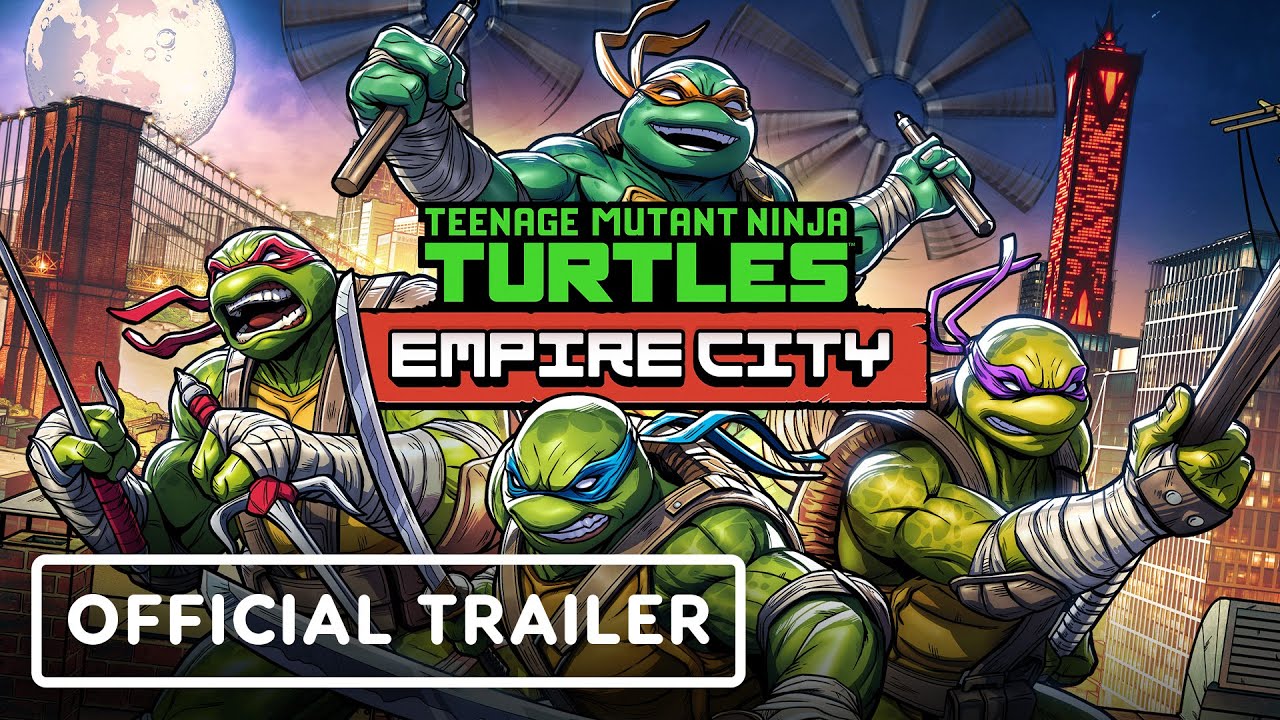
Teenage Mutant Ninja Turtles: Empire City is a first-person action adventure built from the ground up for VR. It launches April 30 on Meta Quest, Steam VR, and Pico at $24.99, with pre-orders live now on Quest at 20% off. You play as one of the four Turtles in a full narrative campaign that you can run solo or with up to four players in cross-platform co-op.
The setup takes place after the Turtles have already defeated Shredder. His death has left a power vacuum in the Foot Clan, and Karai, the leader of the Foot Clan's operations in Japan, arrives in the city to restore order on her terms. So you are not replaying a story you already know. You are picking up after the victory and dealing with whatever comes next, which is a smart narrative choice that gives the writers room to do something new with characters most of us have known for decades.
Each Turtle has their signature weapon. Leonardo gets the katana. Raphael gets the sai. Donatello gets the bo staff. Michelangelo gets the nunchaku. The combat is first-person melee with precision strikes and blocks, and from the gameplay footage Cortopia has shown, the weapon physics look like they have real weight to them. You are not just waggling controllers at enemies. You are timing strikes, reading blocks, and landing combos that feel like they connect.
Co-op is the whole point
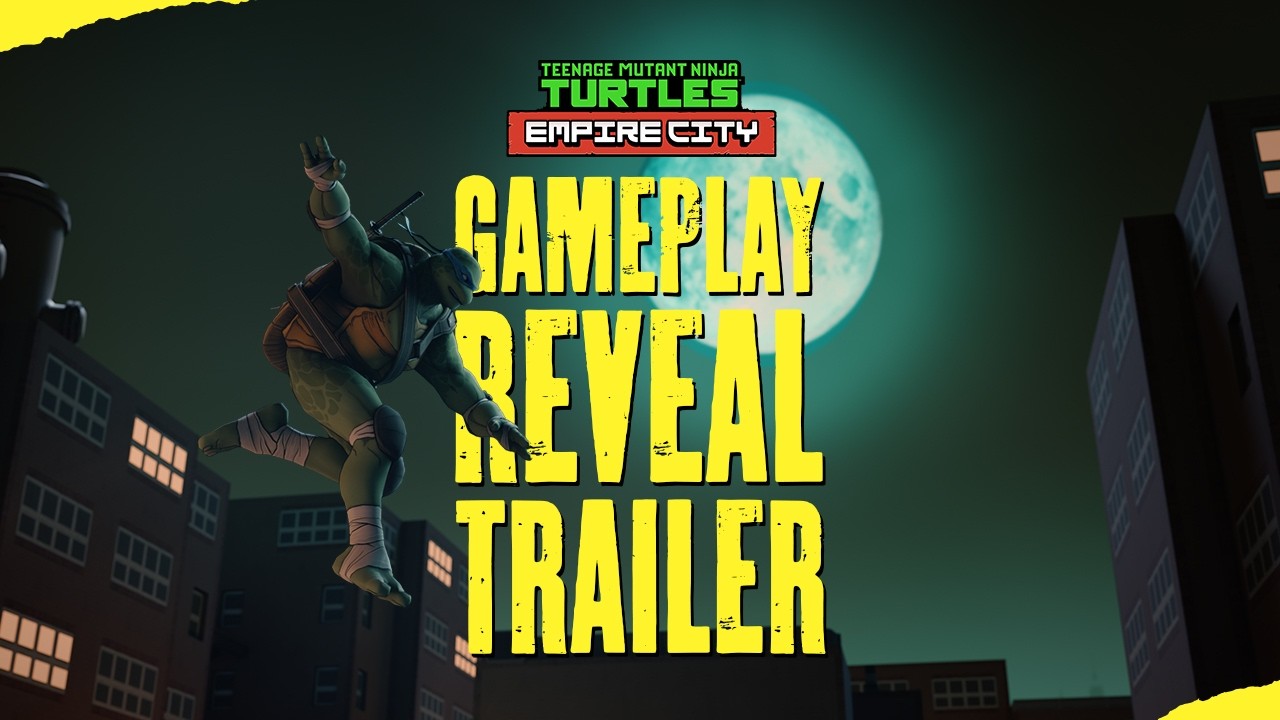
You can play Empire City solo and it will be fine. But this is a Turtles game. There are four of them for a reason. The co-op supports up to four players across platforms, so a Quest player and a Steam VR player and a Pico player can all jump in together. Each person picks their Turtle, and from there you can approach missions however you want. Go loud and drop off rooftops onto Foot ninjas. Go quiet and coordinate stealth takedowns. The game gives you options, and the chaos of trying to coordinate with friends while everyone wants to play differently is exactly the kind of energy a Turtles game should have.
Cortopia also built in full-body presence. You look down and you have three green fingers. You can kick. The physicality of being a Turtle in first person, moving through the city, climbing walls, swinging weapons, is something that only works in VR. A flat-screen Turtles game can be great. Shredder's Revenge proved that. But feeling like you are physically inside the shell, standing in the sewers, gripping Raphael's sai in your actual hands? That is a different experience entirely.
Why this matters for VR
Licensed VR games have a rough track record. For every Batman: Arkham Shadow there are five forgettable tie-ins that use the license as a crutch and forget to make a good game underneath it. What makes me cautiously optimistic about Empire City is that Cortopia seems to understand the assignment. The dev diaries show a team that cares about getting the combat feel right, not just slapping a Turtles skin on a generic VR brawler. Road to VR's hands-on preview described it as a "radical VR beat 'em up in the making," which is encouraging.
At $24.99 the price is right. The cross-platform co-op means you do not need everyone in your group on the same headset. And the April 30 launch puts it right in the middle of what is already one of the strongest months for VR games in years, alongside Into the Radius 2, Little Nightmares VR, and Forefront.
I will have more to say once I have played it. For now I am pre-ordering it, texting three friends to do the same, and calling dibs on Raphael. Cowabunga.
Advertisement