
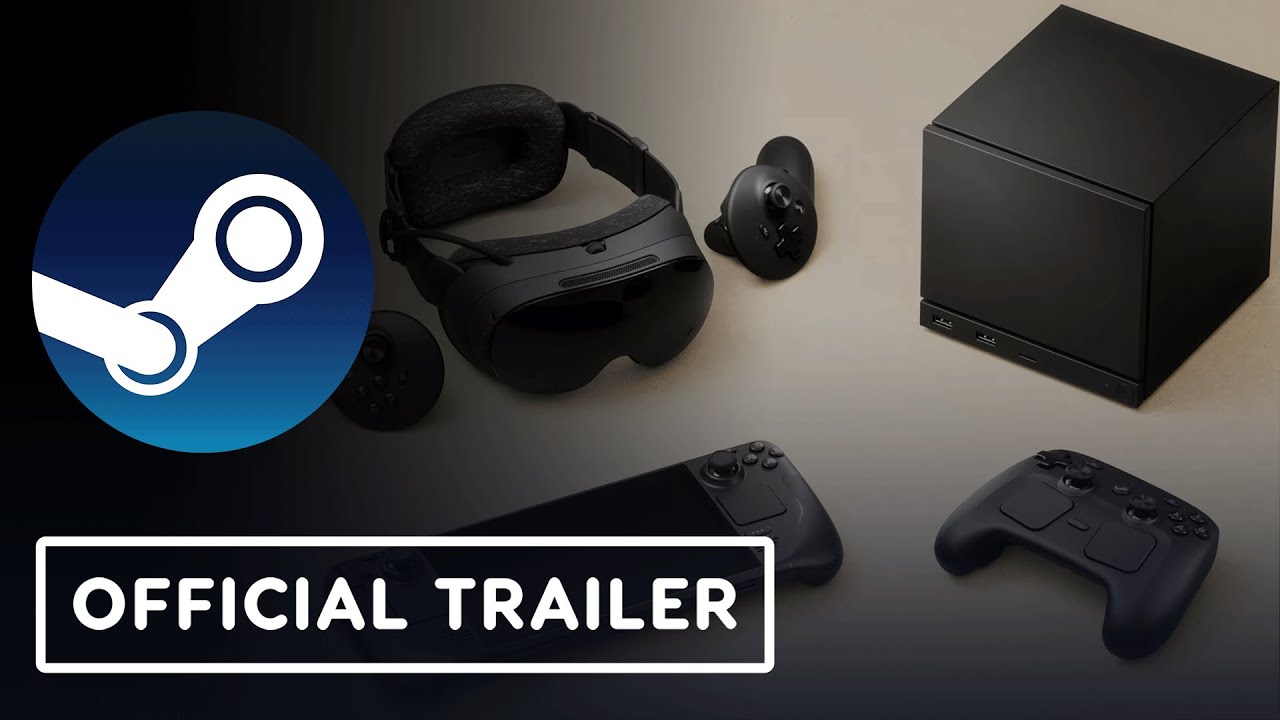
If you have been waiting for Valve to give a concrete signal that its new hardware is actually coming, this might be it. Komodo Station, Valve's official distributor for Japan, South Korea, Hong Kong, and Taiwan, quietly published product pages for the Steam Machine, Steam Controller, and Steam Frame on Friday, April 24. The pages appeared on the retailer's site before similar listings surfaced on Steam's own global hardware section. No pricing. No firm dates. But the infrastructure for selling these products to actual humans is now publicly visible.
HardwareApril 25, 2026
Valve's Steam Machine and Steam Controller Store Pages Just Went Live. The Rollout Is Starting.
By Alex Reeves
Staff Writer, VR.org
Advertisement
What we know about each product
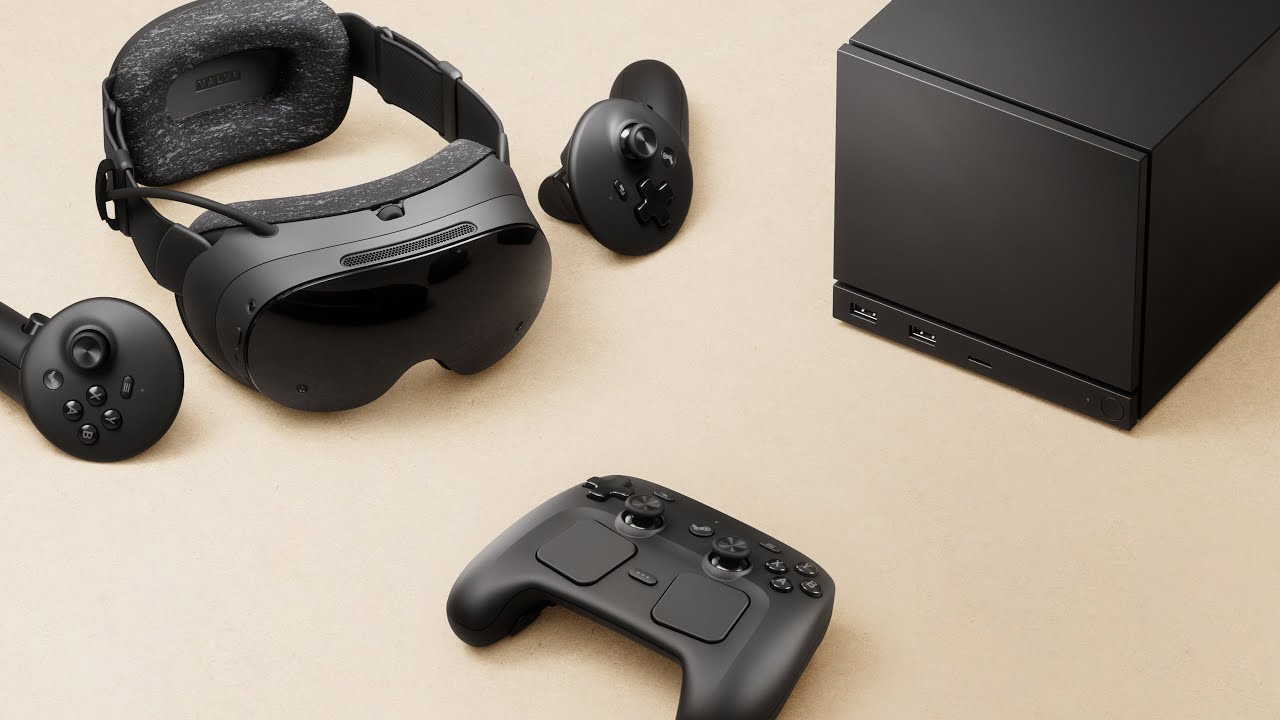
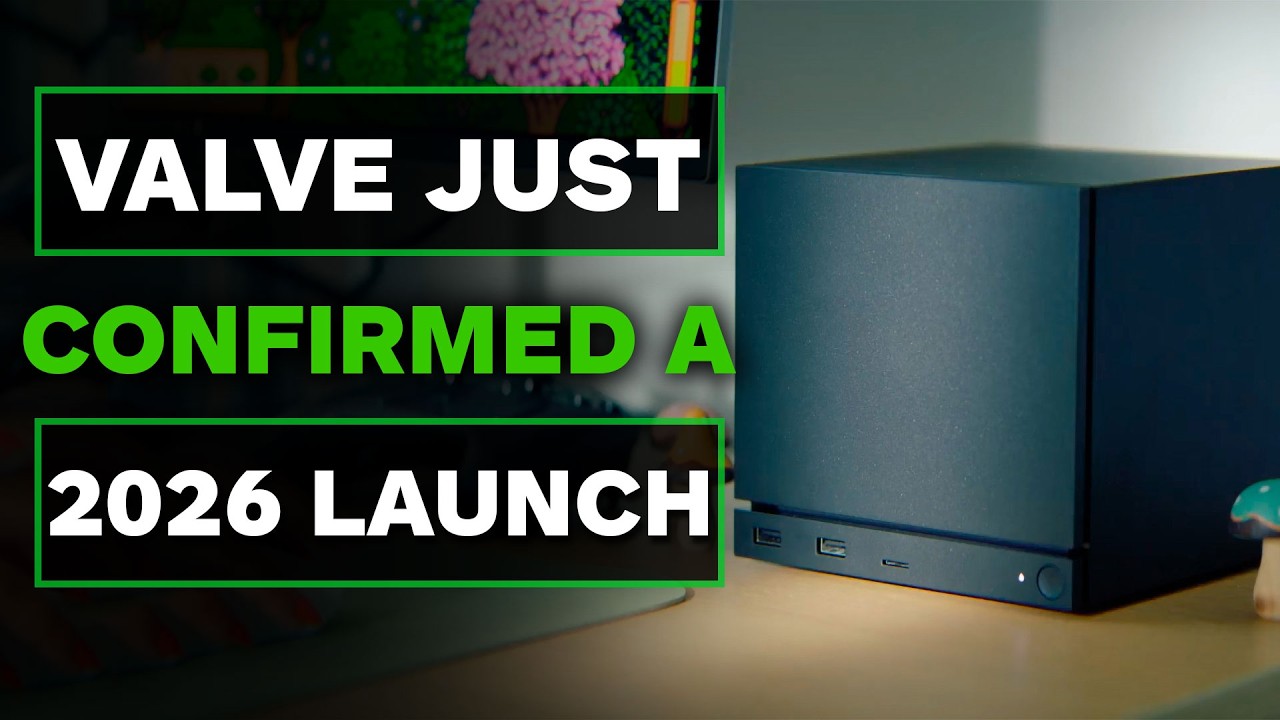
The Steam Machine is a compact living room PC running SteamOS. Internally it uses a semi-custom AMD Zen 4 CPU with six cores clocked up to 4.8 GHz, a semi-custom RDNA3 GPU, 16 GB of DDR RAM, 8 GB of GDDR6 VRAM, and either 512 GB or 2 TB of storage. The whole thing fits inside a 6-inch cube with a removable faceplate and a customizable LED strip on the front. Valve designer Pierre-Loup Griffais told The Verge that pricing would be "comparable to a PC with similar specs" and "positioned closer to the entry level of the PC space." The machine reportedly delivers over six times the horsepower of the Steam Deck.
The Steam Controller is an updated version of Valve's original input device, which was discontinued in 2019. The Komodo listing included new web assets and product imagery, which is notable because the Steam Machine and Steam Frame pages appeared to reuse existing marketing materials. That distinction has led some observers to speculate that the Steam Controller may launch first, ahead of the Machine and Frame.
The Steam Frame is the standalone VR headset. It runs the same SteamOS as the Machine and Deck, uses a Snapdragon 8 Gen 3 processor, and targets the existing Steam library through Proton compatibility. Valve has described it as "streaming-first" with standalone capability, positioning it as both a wireless PC VR receiver and a self-contained headset.
What the store pages actually tell us
Retail store pages going live is not the same as a product launching. It is, however, the step that typically comes right before an announcement of pricing and availability. Retailers do not build product pages for devices they do not expect to sell. Komodo Station is not a random third-party listing site. It is Valve's authorized distributor in four major Asian markets. When they publish a product page, it is because Valve told them to prepare for sales.
The timing also lines up with other signals. In February, Valve acknowledged that the global memory shortage had pushed back its hardware timeline but maintained that shipments would happen in the first half of 2026. Customs records from earlier this month showed a large shipment of Steam Controllers moving through import channels. And Valve's own Steam store now has a dedicated hardware section at store.steampowered.com/sale/hardware that includes the Machine, Controller, and Frame alongside the existing Deck lineup.
Put those data points together and the picture is straightforward: Valve is staging a hardware launch. The question is no longer whether these products are real. It is when Valve decides to flip the switch on pricing and pre-orders.
Why the Steam Machine matters for VR
The Steam Machine is not a VR headset, but it is directly relevant to VR.org readers for one reason: it is the PC that Valve is building to pair with the Steam Frame. Wireless PC VR streaming from a Steam Machine to a Steam Frame running on the same local network is the use case Valve has been describing since November. A compact, SteamOS-powered box that sits in the living room, runs the full Steam library at high settings, and streams VR content to a lightweight wireless headset is a meaningfully different proposition than "buy a $2,000 gaming PC and a $500 headset and run a cable between them."
If Valve prices the Machine competitively, as Griffais suggested, the combined cost of a Steam Machine plus a Steam Frame could undercut the total price of a high-end PC VR setup by a significant margin while offering a cleaner, more integrated experience. That is the pitch. Whether the reality matches the pitch depends on details Valve has not yet shared: actual pricing, streaming latency, and how well SteamOS handles the VR pipeline end to end.
What to watch
Three things matter in the next few weeks. First, whether Valve announces pricing. Store pages without prices are a tease. Store pages with prices are a launch. Second, whether the Steam Controller ships independently before the Machine and Frame. The evidence points in that direction, and a staggered rollout would let Valve build momentum without putting all three products on shelves simultaneously. Third, whether Valve commits to a specific date for the Steam Frame. The headset is the piece of this hardware family that VR buyers care about most, and "first half of 2026" is running out of calendar.
For now, the store pages are live. Valve is getting ready. The rest is timing.
Advertisement