
While Meta, Apple, and Google fight over which headset will win the spatial computing war, a category of devices has been quietly building its own audience without anyone declaring a platform strategy or holding a keynote. XR display glasses, the kind you wear like sunglasses and plug into a phone, console, or handheld, are selling in numbers that the VR headset market would envy. VITURE just raised $100 million in new funding. Their latest product, the Beast XR, ships April 27. And it might be the most complete device in the category yet.
ArApril 23, 2026
The VITURE Beast Ships Next Week at $549. Here's Why XR Glasses Are Quietly Winning.
By Jordan Kuo
Staff Writer, VR.org
Advertisement
What the Beast actually is
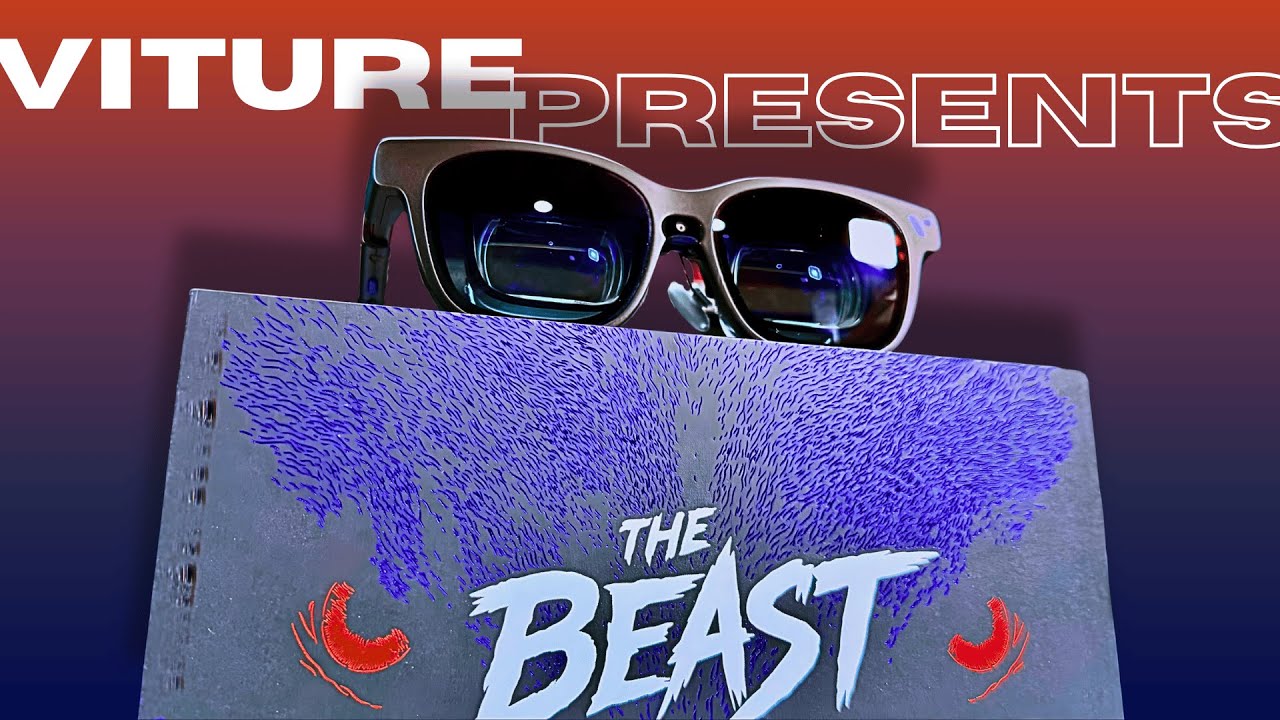
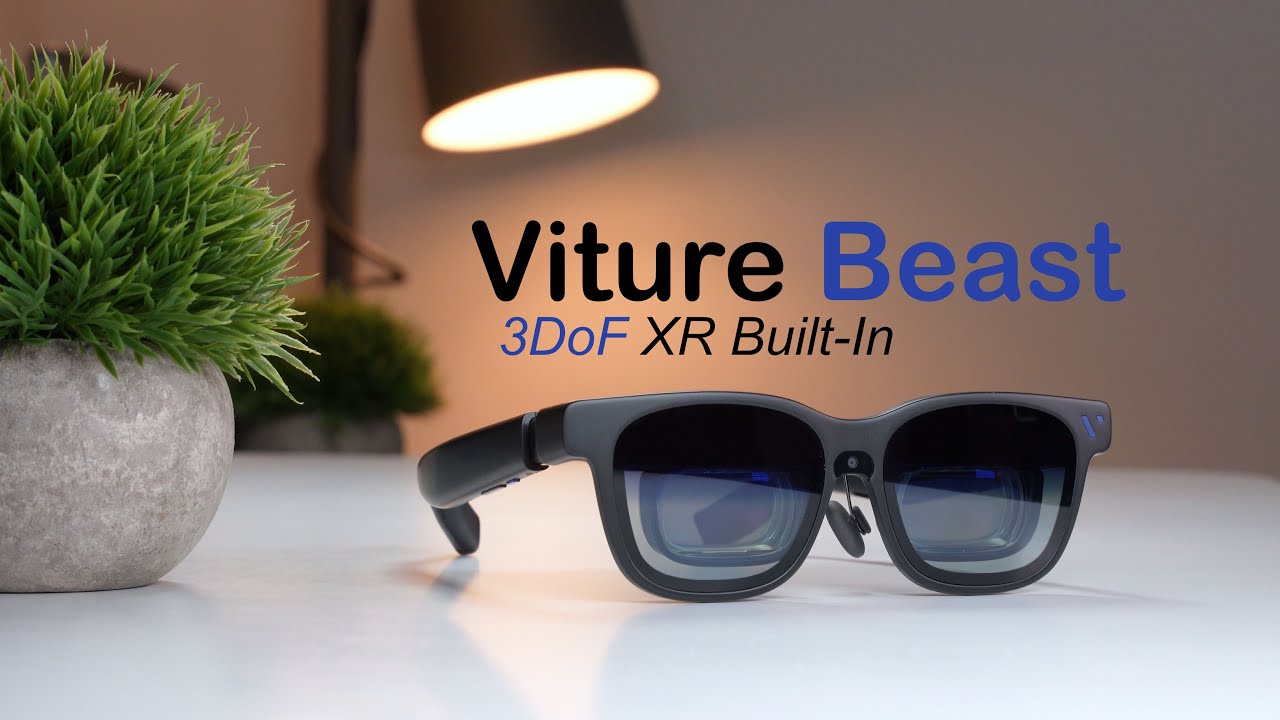
The VITURE Beast is a pair of XR display glasses with dual Sony micro-OLED panels delivering 1200p resolution across a 174-inch virtual screen at 58 degrees field of view. Brightness hits 1250 nits, which is a meaningful jump over previous models. Refresh rate goes up to 120Hz. The whole thing weighs 88 grams.
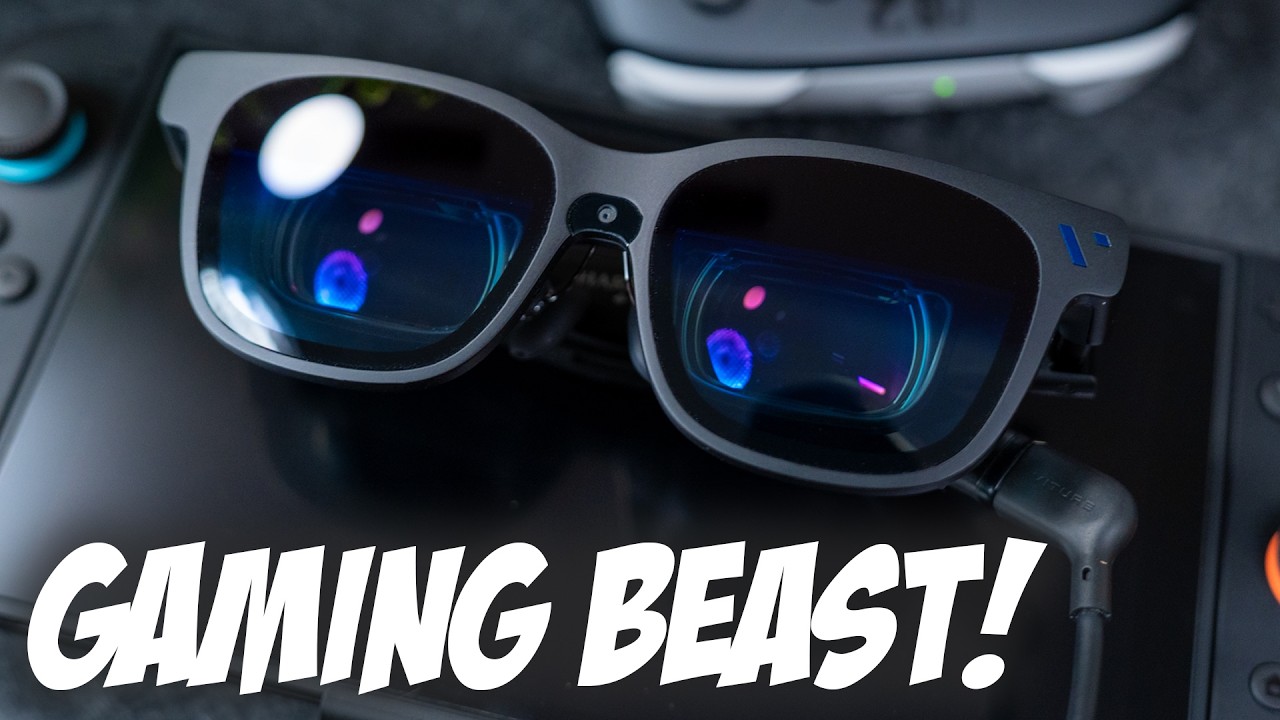
Those are the numbers. What makes the Beast interesting is the feature set around them. Electrochromic lenses let you switch between a transparent AR mode, where you can see your surroundings through the display, and a fully dimmed VR mode that blocks out the world. That switch happens at the press of a button. Built-in Harman speakers handle audio without headphones. A front-facing RGB camera enables 3DoF and 6DoF tracking. And the glasses connect via USB-C to PS5, Xbox Series X and S, Nintendo Switch, Steam Deck, ROG Ally, iPhones, Android phones, Macs, and PCs.
At $549, the Beast sits below the Meta Quest 3 at $599 and well below any AR headset on the market. You are not getting spatial computing with hand tracking and room-scale experiences. You are getting a massive personal display that you can take anywhere and plug into nearly anything.
Why this category matters
VITURE is not alone. XREAL has been building in this space for years. Rokid's glasses are outselling Meta's Ray-Ban display category in certain markets. The XR glasses segment grew 44% year over year in 2025, according to IDC. These are not niche products anymore.
The appeal is straightforward. Not everyone wants to strap a headset to their face. Not everyone needs spatial computing. But a lot of people want a big screen experience that travels with them. Watching a movie on a flight. Playing Switch games on a 174-inch virtual display during a commute. Using a laptop with an expanded workspace in a coffee shop. These are practical use cases that do not require a paradigm shift in how people interact with technology.
VITURE securing $100 million in additional funding from Legend Capital, an investment arm affiliated with Lenovo, signals that institutional money sees the same opportunity. The XR glasses market is not competing with VR headsets. It is competing with portable monitors, travel displays, and the idea that your screen has to be the one built into your device.
What developers should watch
The Beast's 6DoF camera tracking is the piece that bridges display glasses and spatial computing. VITURE is positioning the device as more than a passive screen. With positional tracking, developers can build lightweight spatial experiences that run on a connected phone or PC and render through the glasses. It is not the same as Quest's inside-out tracking with hand input, but it opens a middle ground between flat content consumption and full immersive VR that most XR glasses have not attempted.
The bottom line
The VITURE Beast is not trying to replace your Quest 3 or compete with Apple Vision Pro. It is a different product for a different use case, and the market for that use case is growing faster than most people in the VR space realize. At 88 grams, $549, and compatibility with basically every device you own, the Beast is a strong argument that the future of wearable displays is not just headsets. Sometimes you just want a really big screen that fits in your pocket.
Pre-orders are live on Amazon. Shipping starts April 27.
Advertisement