
Most of the coverage of Vivo's Vision headset framed it the easy way: a lighter, cheaper Apple Vision Pro clone out of China, dual 8K micro-OLED panels, a Snapdragon XR2+ Gen 2 doing the heavy lifting, 398 grams on your face instead of 600. All true, all interesting, and all beside the point I keep coming back to. The detail that actually matters for anyone who builds for these platforms is the one nobody put in a headline. Vivo did not ship Android XR. It shipped its own thing.
XrJune 8, 2026
Vivo Built Its Own Android Spatial OS Instead of Joining Android XR. Google Should Be Paying Attention.
By Jordan Kuo
Staff Writer, VR.org
Advertisement
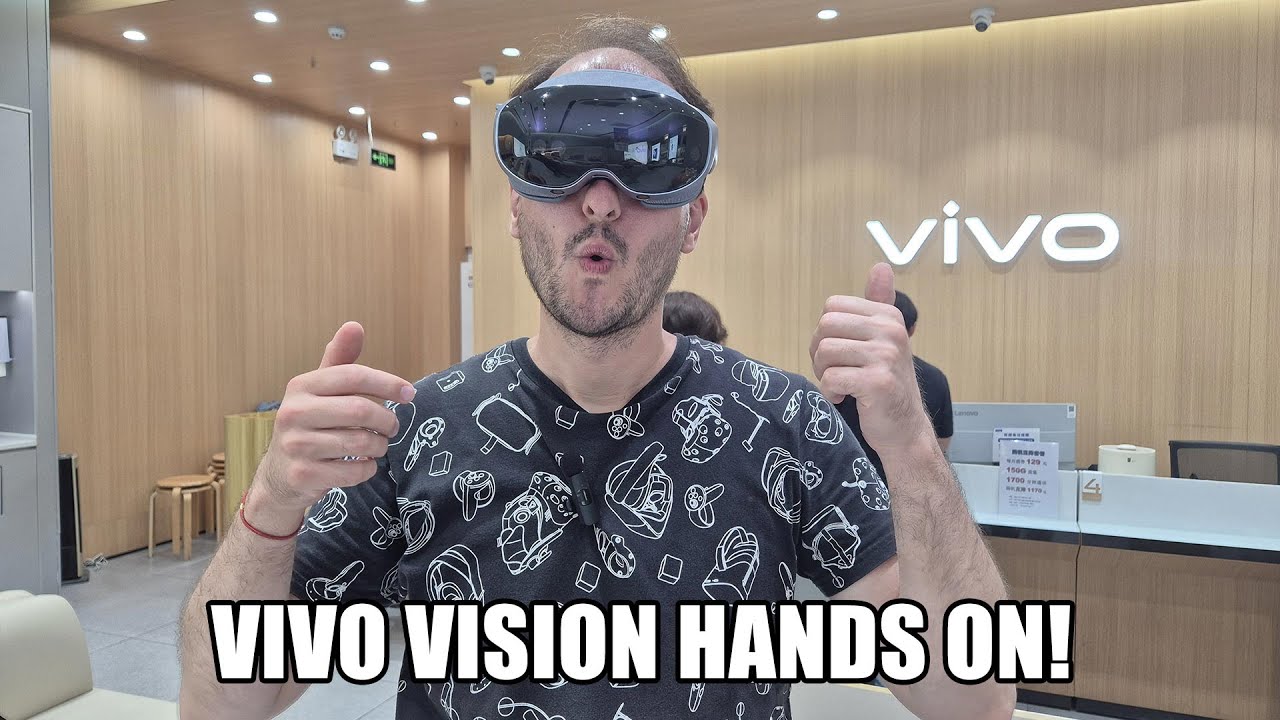
The Vision runs OriginOS Vision. It is Android underneath, the same way Vivo's phones are Android underneath, but it is not Google's Android XR. That is a deliberate fork, and it is worth sitting with, because the entire pitch for Android XR rests on the idea that the phone makers will not do exactly what Vivo just did.
The "Android of spatial computing" only works if everyone shows up
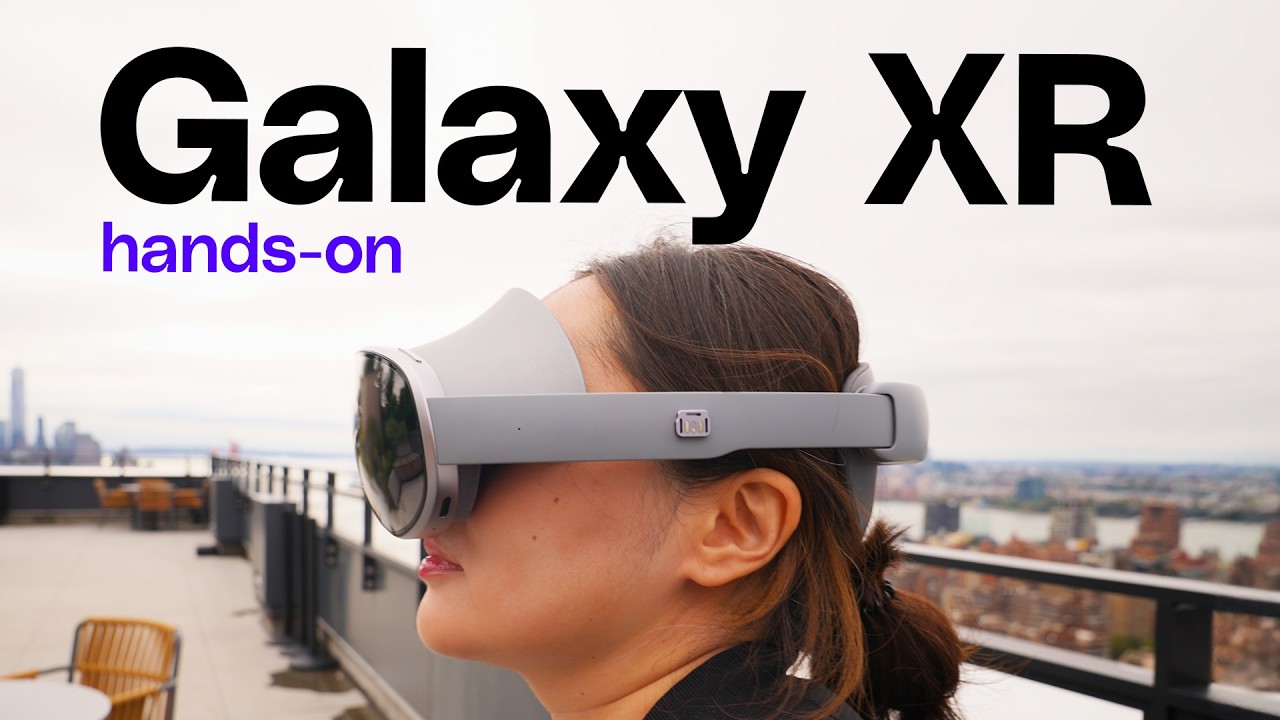
Google's whole argument for Android XR is the one that made Android win on phones. One platform, one set of APIs, one app ecosystem, and a roster of hardware partners who all build on the shared base so developers only have to target it once. Samsung's Galaxy XR is the flagship proof of concept. Xreal's Project Aura is the glasses-shaped follow-up. The promise to developers is that if you build against the Jetpack XR SDK or OpenXR or WebXR on Android XR, your work runs across a growing fleet of devices without per-vendor rewrites.
That promise is only as strong as the partner list. And Vivo, one of the largest phone makers on the planet, looked at Android XR, had every technical reason to adopt it, and chose to build a parallel spatial OS instead. OriginOS Vision is not a skin sitting on top of Android XR the way One UI sits on Android. It is Vivo's own runtime, its own interaction model, its own app story. From a developer's chair, that is not a Galaxy XR you can also ship to. It is a separate target.
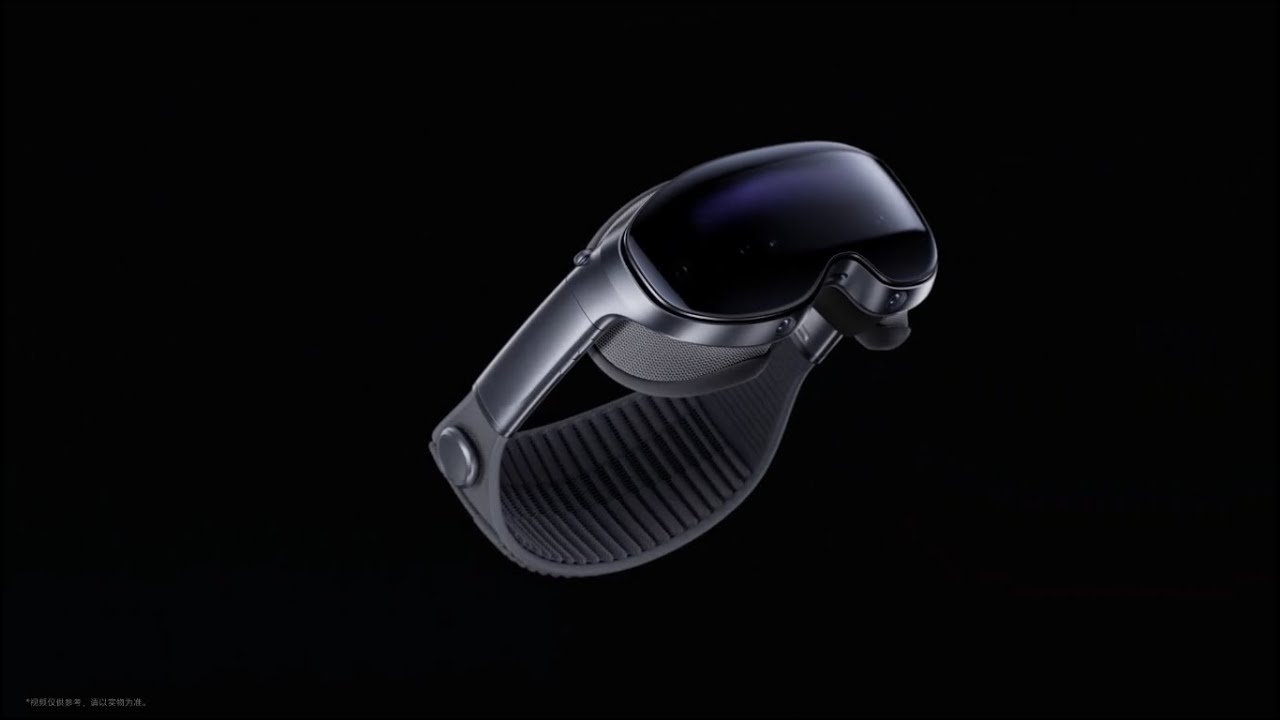
Why Vivo went its own way
The cynical read is control, and the cynical read is usually at least half right. Vivo owns the OriginOS experience on its phones in China, ties it into its own services, and is not in the habit of handing the top layer of a marquee product to Google, especially for a device aimed first at the domestic market where Google Mobile Services is not the gravity well it is everywhere else. Android XR's value proposition leans heavily on Gemini and Google's cloud services for the assistant layer. Inside China, that stack is not the obvious default, so a chunk of what Android XR offers a Western partner simply does not apply to Vivo.
Advertisement
There is also timing. Vivo had the Vision in demo zones across China in 2025, well ahead of a wide Android XR device rollout. Waiting for Google's platform to mature would have meant shipping later. Building on bare Android and layering its own spatial runtime let Vivo move on its own schedule. When you are trying to plant a flag before Samsung and Apple lock up the premium tier, schedule wins arguments.
What this looks like from the developer side
Here is the part that should bother Google more than a spec sheet ever could. We now have at least three meaningfully different spatial software stacks coming out of the broader Android world at once. There is Android XR proper, the Google and Samsung line that wants to be the standard. There is whatever Meta is doing with Horizon OS, which forked from Android years ago and never looked back. And now there is OriginOS Vision, an Android-based spatial OS from a top-five phone vendor that pointedly is not part of the club.
For a developer, fragmentation is not an abstraction. It is the difference between writing once and writing three times. The open standards help here, and this is exactly why they matter. If Vivo's runtime exposes OpenXR and a capable WebXR implementation in its browser, a lot of content can move across without a full rebuild, because OpenXR and WebXR were designed to paper over precisely this kind of platform split. That is the optimistic case, and it is a real one. WebXR in particular keeps looking like the pressure-release valve for a market that cannot stop forking. Build the experience for the browser and the underlying OS politics matter a lot less.
The pessimistic case is that the best, most differentiated experiences on each headset live in native code, tied to each vendor's runtime, and the cross-platform layer becomes where the mediocre apps go. That is roughly how mobile played out. The web was the great equalizer and also, for a long stretch, the place you went when you could not justify a native build.
The signal worth tracking
I do not think one Chinese headset reshapes the spatial computing map by itself. The Vision is China-first, probably China-mostly, expected to land somewhere around 10,000 yuan, which is roughly 1,400 dollars, and there is no clear sign it leaves the domestic market in a serious way. On its own it is a footnote to the Galaxy XR and Vision Pro story.
The signal is the choice, not the device. The Android XR bet is that hardware makers will converge on Google's platform because the alternative is too expensive to maintain alone. Vivo just demonstrated that a large, capable vendor can look at that math and decide the alternative is worth it anyway. If a second major partner makes the same call, the convergence story gets a lot harder to tell. Google built the most credible spatial platform in the industry this year. The open question is whether it can keep everyone in the tent, and Vivo is the first real test of how leaky that tent might be.
Advertisement