Back in March, we made a fairly bold claim: that Android XR could be the most important platform launch since Android itself. The logic was that Google was not building one headset or one pair of glasses, but a single operating system that many manufacturers would build on, exactly the playbook that took Android from a curiosity to the software running most of the phones on Earth. We are now at the midpoint of 2026, the year that was supposed to prove or disprove that thesis. It is a good moment to stop projecting and start grading.
XrJune 23, 2026
Android XR Was Supposed to Be the Next Android. Halfway Through Its Launch Year, Here Is the Report Card.
By Jordan Kuo
Staff Writer, VR.org
Advertisement
What is working
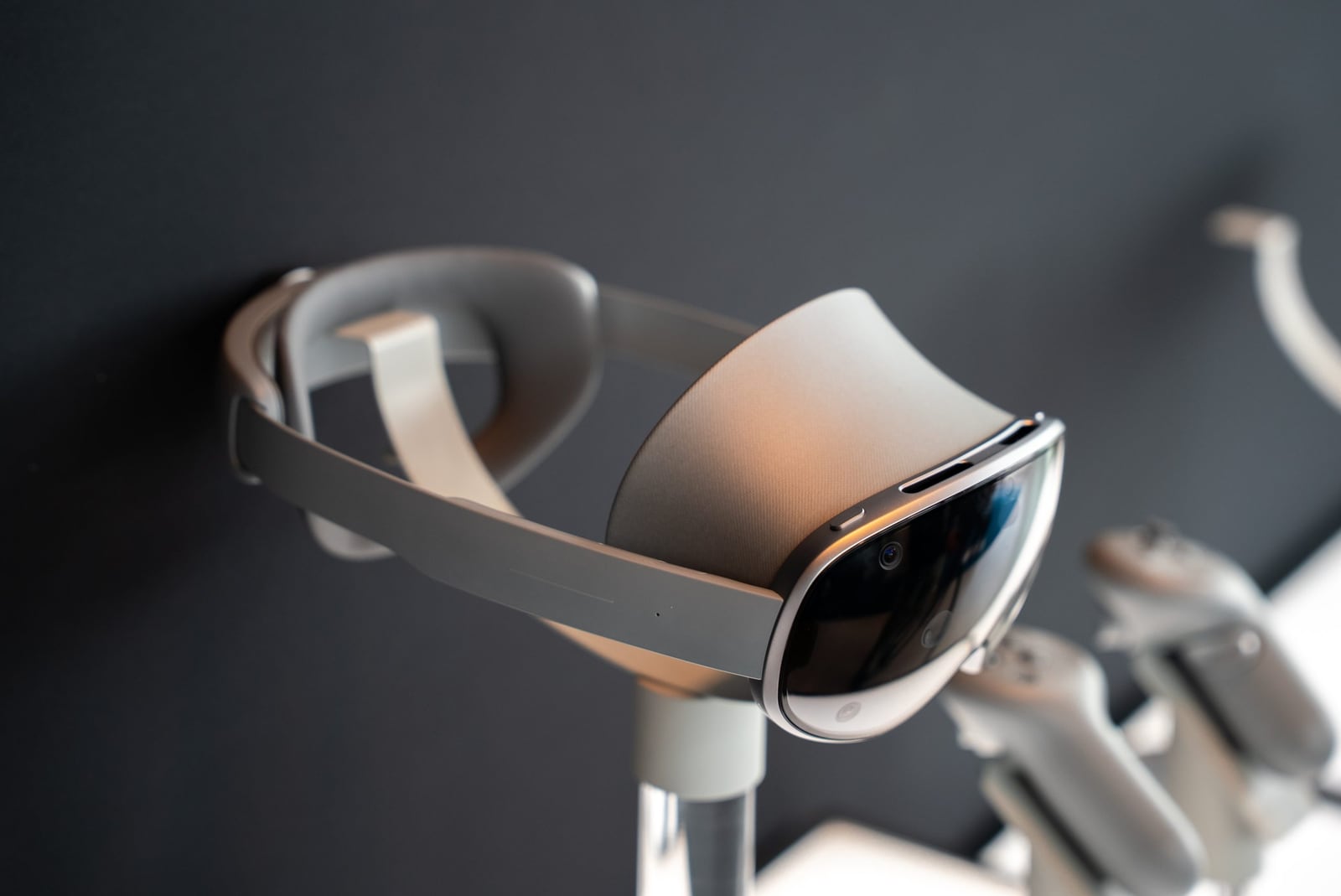
Start with the most important fact: Android XR is real and shipping. The Samsung Galaxy XR headset launched as the first Android XR device, and it has not sat still since. It received a substantial feature wave that added PC Connect for pulling your desktop into the headset, Likeness for realistic face-tracked avatars in video calls, and a Travel Mode for stable viewing on planes and trains. Those are not gimmicks. They are the productivity and presence features that Apple spent two years building into visionOS, arriving on a competing platform in its first year. A launch platform that is already iterating on real features is a healthy platform.
The developer story is arguably even stronger. The Android XR SDK has matured quickly through its preview cycle, gaining official support for Unity, Unreal, and Godot, plus tooling that lets developers build once and target multiple device types. Google also opened the Android XR Developer Catalyst Program, with dev kits beginning to ship this summer to a first cohort. For a platform whose entire bet is that third-party developers will build the ecosystem, getting real hardware and mature tools into their hands this fast is exactly the right priority.
And the partner roster is genuinely impressive. Samsung on headsets and glasses, XREAL with the Project Aura glasses due this fall, Magic Leap contributing optics expertise, and eyewear names like Gentle Monster and Warby Parker on the fashion side. That breadth is the whole point of the Android strategy. One company cannot cover budget hardware, enthusiast glasses, and luxury frames at once. An ecosystem can.
What is lagging
Here is the honest part of the report card. The single biggest promise of Android XR for 2026, consumer glasses you can actually buy, has not yet been kept. The Galaxy XR is a headset, not the lightweight everyday eyewear that the whole pitch is built around. The audio glasses and display glasses Google has been teasing are still slated for later this year, and Samsung's Galaxy Glasses, despite being confirmed for 2026, still have no firm date beyond a vague this year. We are six months in, and the form factor that is supposed to make Android XR a mass platform is still a promise rather than a product.

That matters because the headset market is not where Android XR wins or loses. Apple just retreated from headset hardware, Meta is shifting its energy toward glasses, and the entire industry agrees the volume is in eyewear. Android XR has shipped the part everyone is deprioritizing and not yet shipped the part everyone is racing toward. The back half of 2026 is where that has to change, and the calendar is getting tight.
The fragmentation question
There is also a structural risk worth flagging, because it is the same risk that has always shadowed Android. Openness invites fragmentation. We saw an early sign of it when Vivo built its own Android-based spatial OS rather than joining Android XR. If major manufacturers decide they would rather fork Android or build their own spatial layer than accept Google's, Android XR ends up as one option among several rather than the default, and the next-Android thesis weakens considerably. Google's challenge is to make Android XR so obviously the best path that going it alone looks foolish. On phones it took years to win that argument. The clock on glasses is faster.
The midterm grade
So how is the thesis holding up? Better than a skeptic would have guessed, and not yet as well as the hype implied. Android XR has cleared the hardest early bars: it shipped a real device, it built credible developer tooling, and it assembled a serious roster of hardware partners. Those are the foundations, and they are genuinely in place. What it has not done is deliver the consumer glasses that turn a promising platform into a phenomenon, and it faces a real fragmentation test as bigger players weigh whether to commit.
If I were assigning a grade at the midpoint, it would be a solid B. The structural work is done and done well, but the result that actually validates the whole strategy is still sitting in the second half of the syllabus. The fall is when Android XR has to ship glasses people can buy and love. Get that right, and the next-Android comparison starts looking earned. Get it wrong, or late, and Android XR risks becoming a well-built platform still waiting for the device that makes it matter. We will know by December. For now, the foundation is strong, and the hardest exam is still ahead.
Advertisement