
Mark Gurman put the timeline in writing this week. Apple's next Vision Pro is at least two years out, and quietly the company has been telling everyone who will listen that the headset business is not where the next big bet lives. Bloomberg's Monday report set the floor at 2028 for a successor, with no mid-cycle refresh on the calendar between now and then.
HardwareMay 14, 2026
Apple's Vision Pro 2 Is at Least Two Years Away. The New Timeline Tells the Whole Story.
By Sam Whitfield
Contributing Writer, VR.org
Advertisement
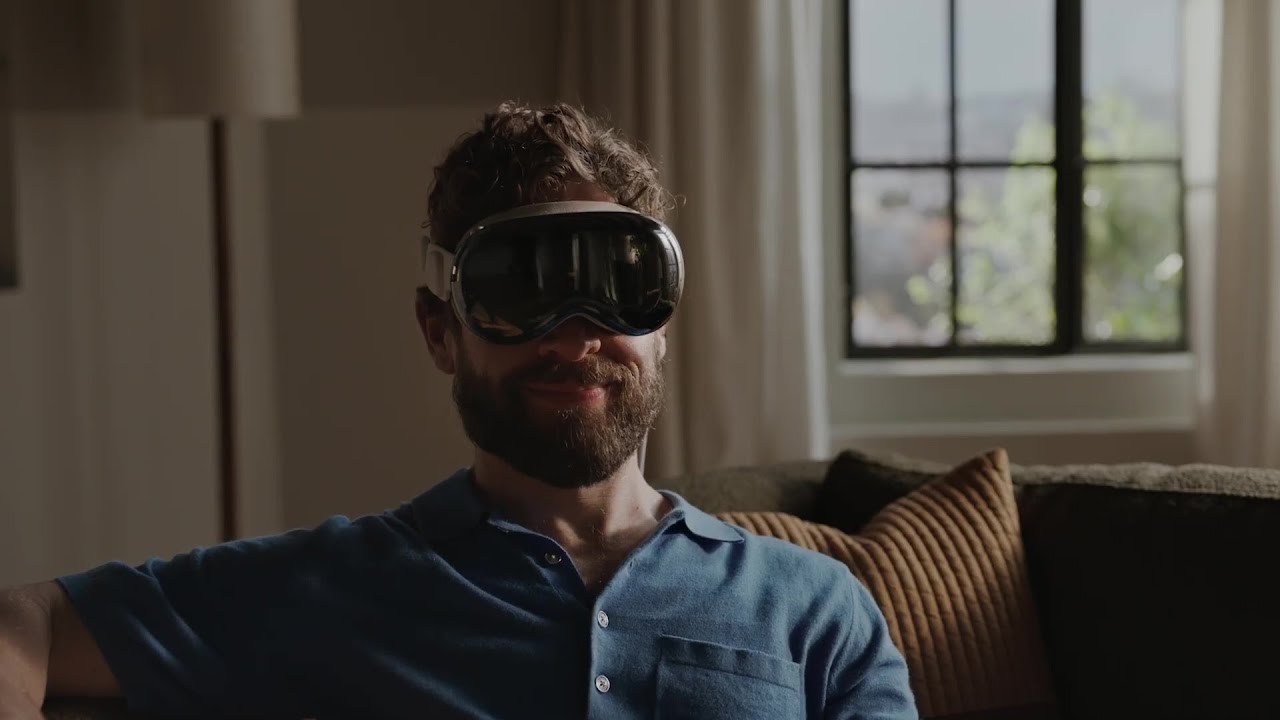
For a company that put a $3,500 headset on stage in 2023 with all the framing of a new computing platform, that is a striking change of posture. The current Vision Pro is still on shelves and still getting software work, but the roadmap signal is clear. The headset side of Apple's spatial computing bet is being held in place, not extended, while the company spreads engineering across smaller AI-first hardware.
The Shelved Successor
The detail that matters most is N100. That was the codename, reported by Gurman last October, for the planned cheaper and lighter Vision Pro. Target ship date was 2027. By the time Gurman wrote about it the project had already been quietly de-prioritized, with engineers moved off the team. This week's update is the obvious second shoe. With N100 not finishing, there is nothing in the pipeline that ships before 2028.
That is not a delay. That is an absence. There is a meaningful difference between a slip and a gap, and Apple is now in gap territory.
Where Apple's Engineers Are Actually Going
Three projects keep coming up in the reporting. A camera-equipped AirPods variant. An AI pendant that pairs with iPhone. A smart glasses program that has reportedly settled on four working design directions, none of which include a display yet. All three are wearable AI form factors. All three integrate with the existing iPhone and Mac, with spatial features that piggyback on Vision Pro rather than justify a new headset.
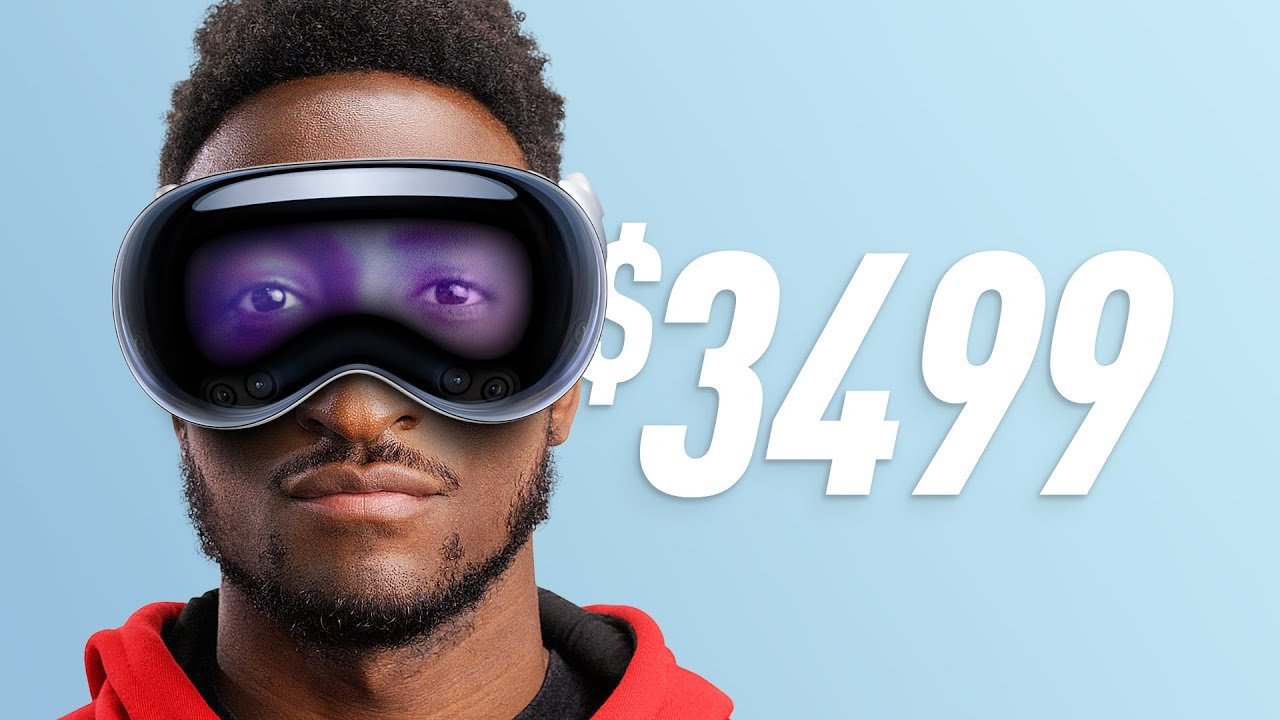
The thesis underneath the reshuffle reads pretty clearly. Apple is betting that most of the daily computing value people wanted from a face computer actually fits in a smarter pair of earbuds, a pair of sunglasses, and a clip-on AI device. The bulkier headset stays in the lineup for content consumption and professional workflows, but it stops being the platform's center of gravity.
That is a different bet than the one Tim Cook described on stage in 2023.
Advertisement
What This Means for the Headset Market
The competitors get a clear runway. Meta is reorienting around the ultra-light Puffin design with a tethered puck and has pushed the traditional Quest 4 form factor out to 2027 at the earliest. Valve is finishing the Steam Frame and lining up a controller-and-headset combo that is the most credible PC VR refresh in years. Samsung is shipping Galaxy XR in select markets now and has international expansion teed up through late 2026. Pico just laid out Project Swan with a custom dual-chip stack and a microOLED display that, on paper, beats Vision Pro on pixel density.
None of those companies have to worry about Apple landing a hardware reset for at least 24 months. For Meta, that is enough time to test whether the Puffin form factor pulls in mainstream buyers. For Valve, it is enough time to establish Steam Frame as the default PC VR option. For Samsung, it is enough time to learn whether the premium AI-first headset category supports more than one product. The next two years will reshape the market with Apple watching from the side.
The visionOS 27 Signal
WWDC is on June 8 and visionOS 27 will be the headline software story for Vision Pro this year. That is the cleanest place to read Apple's current posture. If the keynote leans hard on productivity, immersive media, developer tooling, and existing-hardware optimizations, the message is what most of the analyst notes already say. Keep the platform healthy, do not push a successor.
The most likely outcome is the boring one. A polished visionOS 27 release, more developer hooks, expanded business integration, and a continuation of the medical and enterprise pilot programs that have given the current Vision Pro its actual audience. The recent SightMD cataract surgery deployment is the kind of footprint Apple is going to keep highlighting. The headset has a use case. It is not the use case Apple described in 2023, but it is a use case.
What to Watch From Here
Three signals will tell us whether Apple is genuinely committed to a 2028 timeline or whether they are still adjusting. First, the visionOS 27 announcements at WWDC. A mature software story means Apple plans to ride the current hardware longer than analysts expect. Second, the smart glasses program. If Apple opens a beta partner program with eyewear brands the way Google has with Warby Parker, Gentle Monster, and Gucci, that confirms smart glasses are now the priority hardware bet. Third, the pendant. If it surfaces at a fall 2026 event, the wearable AI category is officially where Apple wants to land first.
For now, the timeline is the news. A 2028 next-gen Vision Pro is essentially Apple ceding the headset wars for two years. The market that fills that gap is being built right now, by other companies, with very different ideas about what the right form factor looks like. Vision Pro had its window. The next one starts in 2028, if Apple still wants it.
Advertisement