
The "Quest 4 is canceled" narrative had a good run. It started last summer, with leaked memos pointing to Meta shelving two internal headset projects under the codenames Pismo Low and Pismo High. It picked up steam through the winter as Reality Labs absorbed a fresh round of layoffs and a "wearables-first" reorganization. By April, the consensus was that the next standalone Meta headset would not arrive before the second half of 2027 and possibly not until 2028, and that the company's center of gravity had shifted permanently toward AI glasses.
HardwareMay 7, 2026
Meta CTO Pushes Back on the 'Quest 4 Is Dead' Story, Says the Company Will Learn from Steam Frame
By Alex Reeves
Staff Writer, VR.org
Advertisement
Andrew Bosworth, Meta's chief technology officer and the executive who actually owns the Reality Labs roadmap, would like a word.
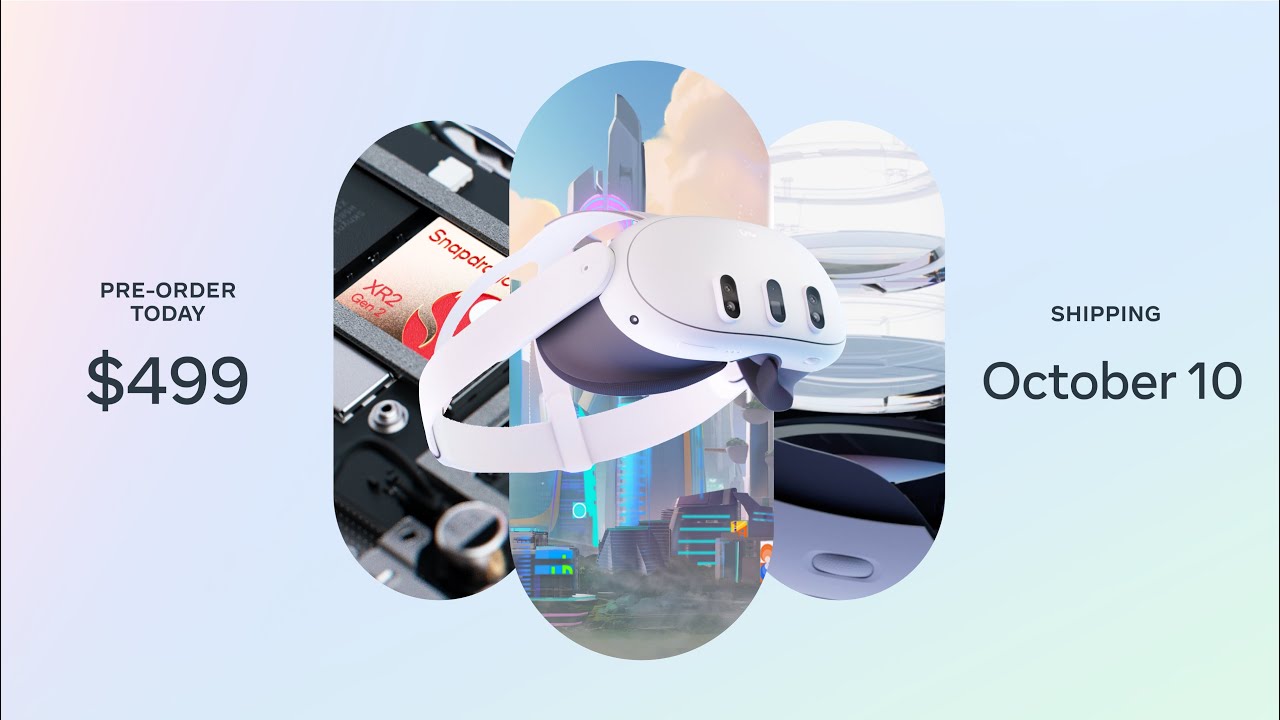
In an extended interview with veteran tech journalist Alex Heath this week, Bosworth pushed back on the cancellation framing in plain language. "It's officially leaked we've got two devices on the roadmap that we're super excited about coming out over the course of a period of time," he said, before adding, on whether Meta would be paying attention to Valve's incoming Steam Frame, "Every time there is a new headset, we learn from it."
Two things are happening in those quotes, and both are worth unpacking.
The Quest 4 isn't dead, it's just slow
Bosworth using the present tense matters. "We've got two devices on the roadmap" is not the language of a company that has shelved a product line. It's the language of a company that has reshuffled timelines and is now annoyed that the public read the reshuffle as a funeral.
Independent reporting from UploadVR, which tracks Reality Labs roadmap leaks more closely than anyone, lines up with this. Their understanding, based on December memos and source conversations, is that Meta is now prioritizing two devices: an ultra-light puck-tethered headset arriving in the first half of 2027, and a more traditional Quest 4 successor that lands no earlier than the back half of that year. The work is happening under a new internal codename, "Griffin," which replaces the shelved Pismo split.
None of that is "Quest 4 in late 2026," which is what some people were hoping for after the Quest 3S kept the cadence alive. But it is also not "Quest 4 is canceled," which is a phrase that lives in headlines but does not appear in any leaked memo I have seen.
The other thing Bosworth said in the same interview, which got less attention, is that the recent Reality Labs reorganization "unblocks roadmaps for us on hardware." Translation: the org chart was getting in the way of shipping. Meta has now moved its quality assurance and dogfooding teams directly into the wearables and VR units, and bolted the foundations team onto the same trunk. Whatever you think about Meta's strategic direction, that is what executing faster looks like on paper.
Advertisement
Meta is watching Valve very closely
The "we learn from every new headset" comment is the more interesting half of the interview, because it concedes something Meta usually doesn't. The Steam Frame matters to Meta's roadmap.
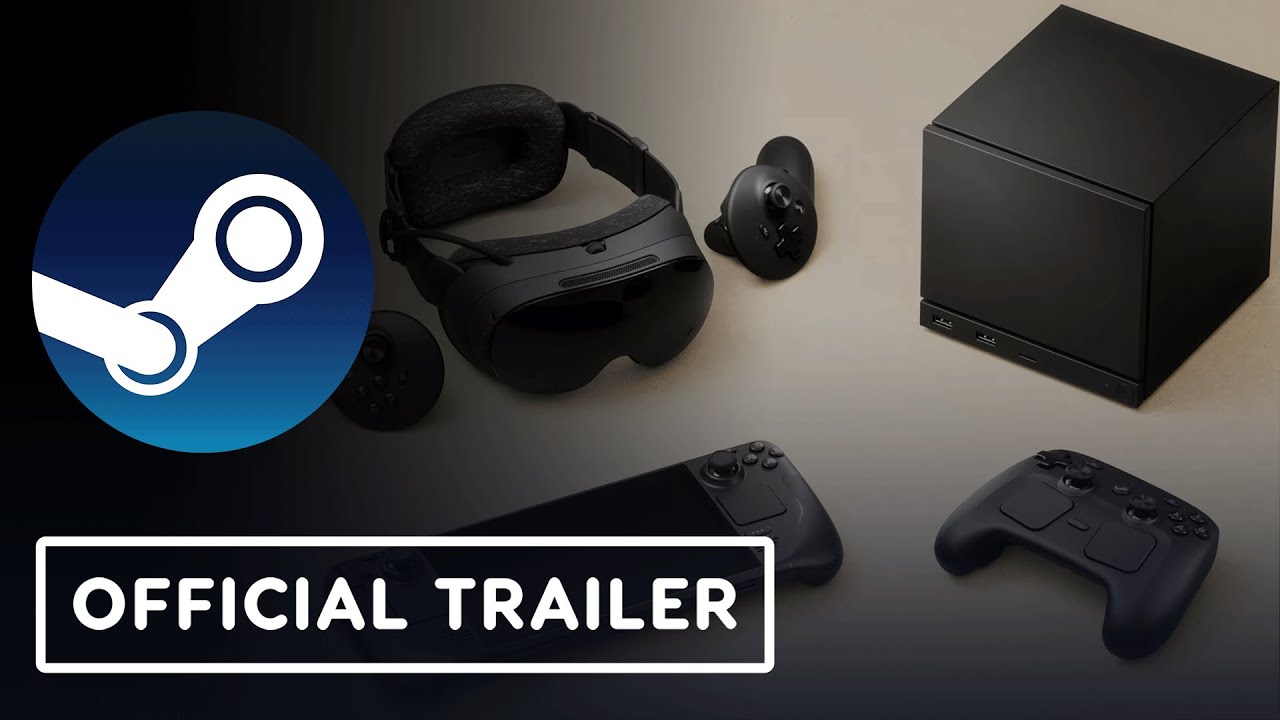
Bosworth specifically called out the wireless dongle Valve is shipping in the Steam Frame box. That dongle is the answer to a problem Meta has refused to solve cleanly: how do you get a Quest user onto their gaming PC without making them set up a sketchy router config, install third-party software, or accept a 90 megabit Wi-Fi 5 connection over the same network as their Ring doorbell. Valve's answer is to ship a dedicated 6 GHz radio in the box, paired in advance, and let it do one thing well. Meta has had four generations to do this and hasn't.
The reading here is that the next Meta headset, whichever flavor ships first, almost certainly arrives with some version of out-of-the-box wireless PCVR built in. Meta has dragged its feet on PCVR for years because PCVR users are a small slice of the install base, and Meta would rather sell you a standalone game in the Horizon Store. Valve flipping the cost-benefit on that decision, by making cable-free Steam VR a default consumer expectation, is exactly the kind of pressure that moves Meta's hardware roadmap.
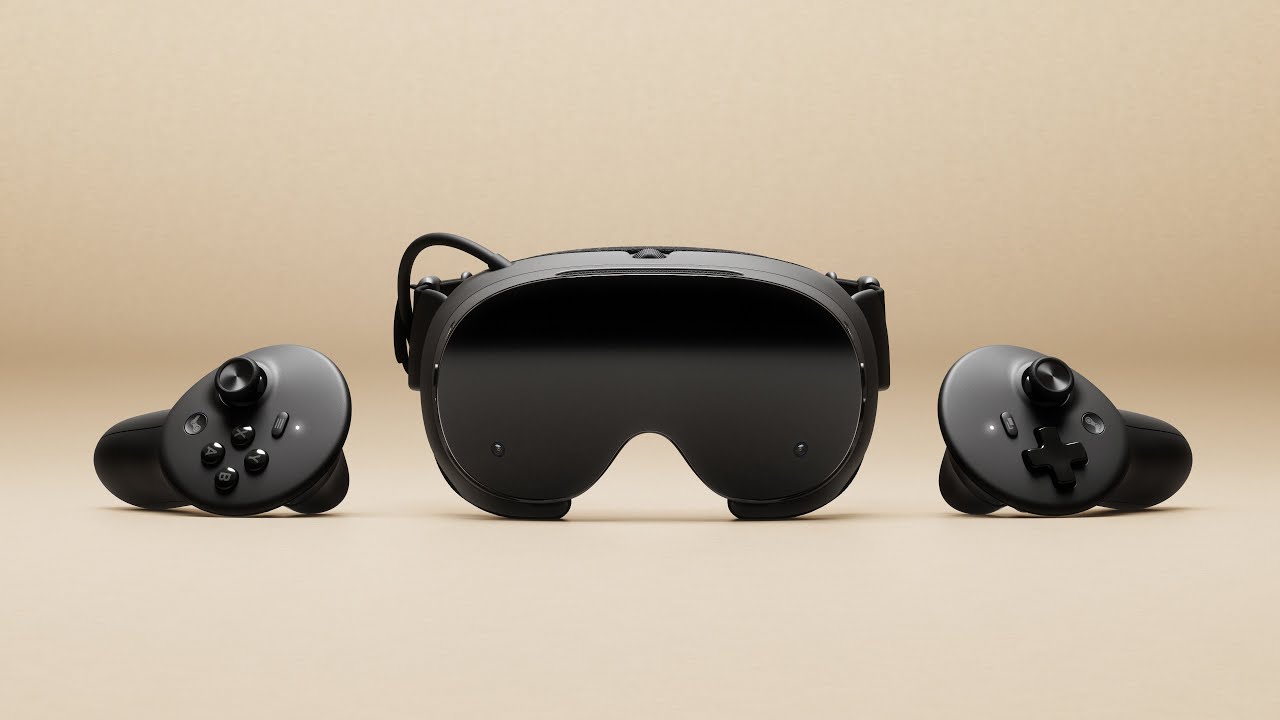
Bosworth also mentioned learning from Valve's choices on architecture, resolution, and cameras. Resolution is the one to watch. Steam Frame's reported pixel-per-degree numbers, if they hold up at launch, set a new floor for what a $500 to $1,000 PCVR-capable headset is supposed to deliver. The Quest 3 is going to look noticeably less impressive next to it, and Meta will not want the Quest 4 to launch into the same comparison.
Why this read matters now
Meta's Q1 2026 earnings, posted last week, told a split-screen story. Reality Labs revenue was down 2 percent year over year, dragged by softer Quest sales. AI glasses daily users tripled. Zuckerberg spent most of the call talking about a $145 billion capital expenditure plan oriented around AI compute. If you only read the earnings call transcript, you would conclude that VR is the segment of the business management is least interested in.
Bosworth's interview is the rebuttal. Reality Labs is shipping fewer headsets right now because the company is intentionally between generations, not because the company has given up on headsets. The next two devices are still coming. Valve is now part of the conversation about what they should look like.
I'd take that over another quarter of vague "metaverse vision" earnings color any day.
Advertisement