
Meta stood on a stage in October 2021 and announced Grand Theft Auto: San Andreas for Quest 2. Then nothing. No release window that held, no gameplay, no post-mortem, just a slow fade into the pile of things that got announced during the metaverse years and quietly stopped being mentioned. Five years on, a guy who goes by GeT_RiCh has done it instead, in a Discord full of other people who port flat games for fun, with an AI assistant helping him write the layer that makes it work.
GamingAugust 27, 2026
The GTA San Andreas VR Port Meta Announced in 2021 Turned Up This Week, Built by One Modder and an AI Assistant
By Evan Marcus
Co-Founder, VR.org
Advertisement
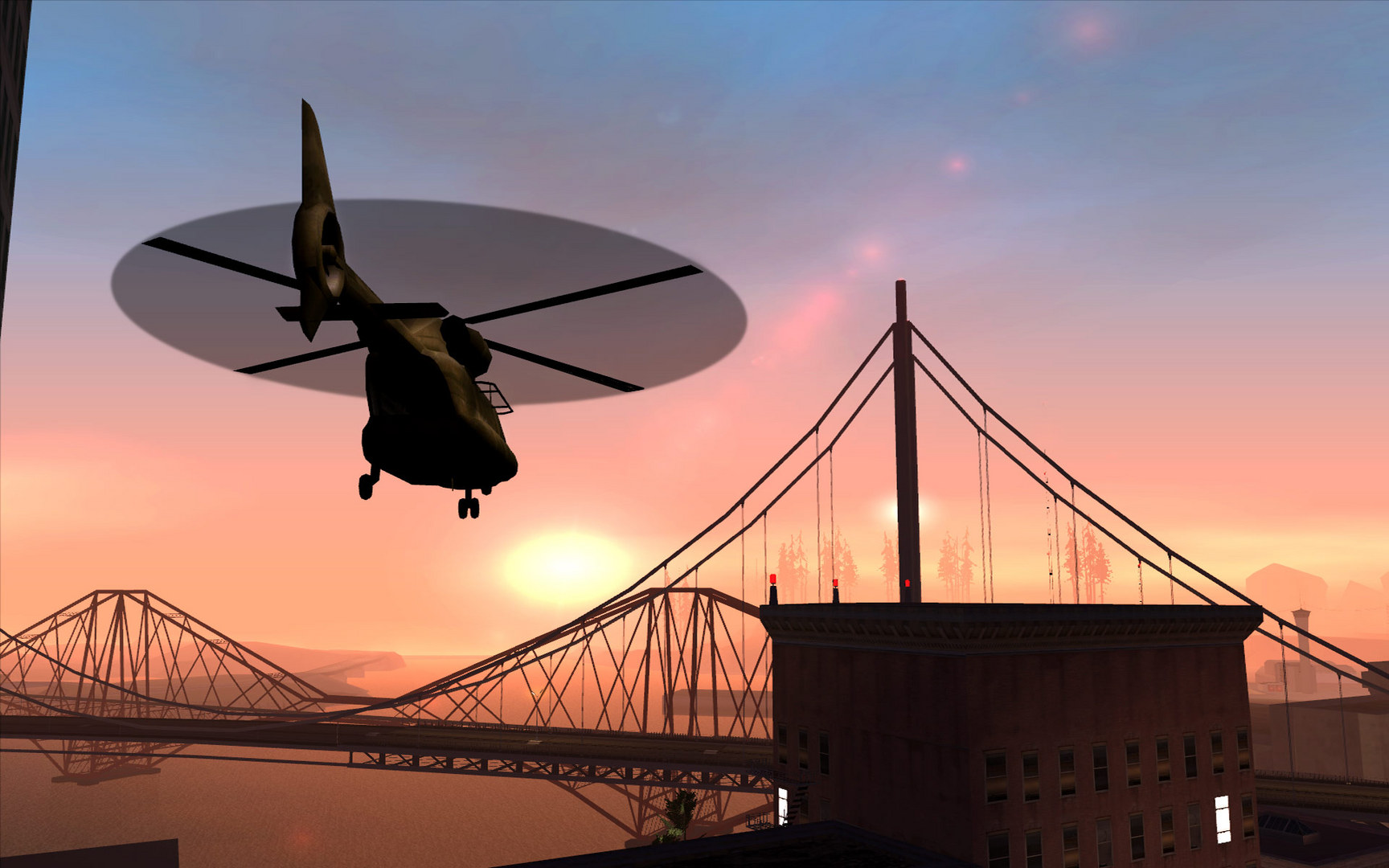
I want to be careful here, because "GTA San Andreas VR has finally come to Quest 3" is doing a lot of work as a sentence. What actually exists is version 0.1.1 alpha of a source kit on GitHub. It is not a download. It is not a store page. It is a build system that takes a copy of the game you already legally own, compiles an OpenXR layer against it on your PC, and pushes the result onto a headset you have put into developer mode. TechRadar's Hamish Hector wrote it up this week, named the modder, and openly admitted he looked at the setup process and decided not to attempt it before filing. Fair enough.
What the install actually asks of you
Read the requirements and you can feel the shape of the thing.
- Your own installed copy of GTA San Andreas from Google Play, specifically version 2.11.311, ARM64, versionCode 4234641.
- The complete split set, not a base.apk, pulled off an Android phone over adb, unmodified and unrenamed, still carrying Google's original signing certificate, because the build wizard checks the signer hash and rejects anything that has been re-signed or merged.
- A separate archive of a specific PS2-style sound mod, because the audio the game needs is not in the Play Store APKs at all.
- Windows, Linux, or macOS, with around 15GB free on the computer.
- A Quest 3 with 6GB free, developer mode on and USB debugging authorized. It is the only headset supported.
Then the wizard makes you type the word INSTALL before it touches anything.

That last detail is the one I keep turning over. Somebody building a passion project in their spare time put in a confirmation prompt, a backup step for your saves, a printed action list, and a separate refusal to ever automate the destructive path. The repo ships no Rockstar assets, no prebuilt APK, no native binaries, no signing keys, and it says so in the second paragraph of the README. That is a cleaner legal boundary than plenty of funded software draws. It also tells you the author expected to be scrutinised.
About the AI part
The detail that got the story picked up is TechRadar's line that GeT_RiCh used Claude to help write chunks of it. I have some complicated feelings about that phrase getting attached to everything right now, and I would rather look at what came out than argue about the method. What came out is an OpenXR layer, a loader, a validation toolchain, and MIT-licensed hand assets derived from UltimateXR, sitting in a repo with a NOTICE file and a documented project boundary. Whatever helped him write it, somebody still had to know what an API layer is, why the Play Store splits matter, and where the audio lives.
Advertisement
This is also not the first time this year. In August alone we covered a Mario Kart 64 VR mod, BetterVR's twenty-first release for Breath of the Wild through Cemu, and WinlatorXR running Half-Life 2 standalone on a Quest 3. The pattern is consistent and it is not subtle. The interesting VR ports are increasingly coming from people with no budget, no platform deal, and no reason to stop.
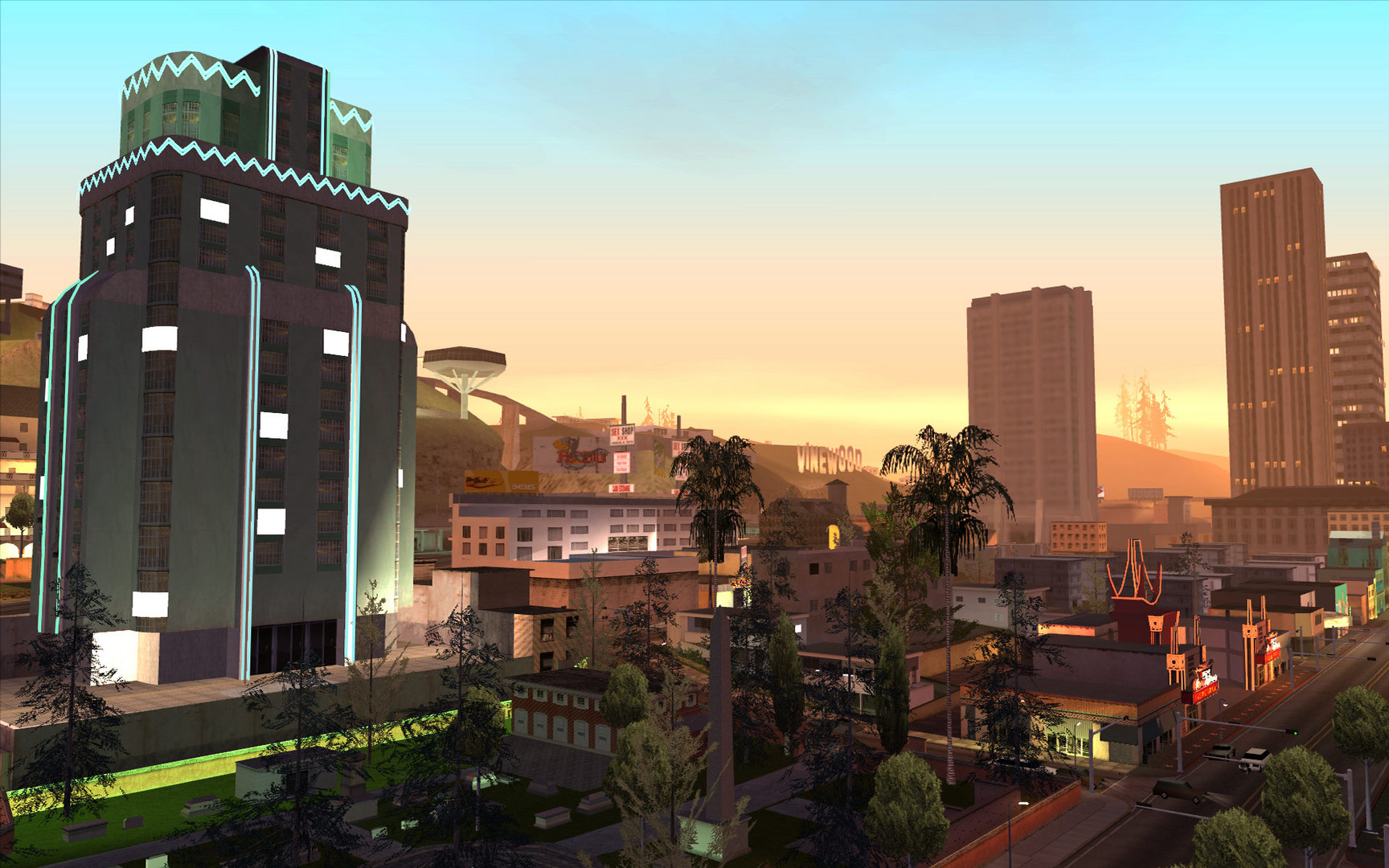
Why Meta's version died is still unexplained
Nobody at Meta or Rockstar has ever said. The theories are all plausible and none are confirmed. Quest 2's silicon was probably not up to a 2004 open world rebuilt for first person. Converting every interior, every cutscene, and every vehicle camera in San Andreas is genuinely enormous. And somewhere in there sits the question of what Take-Two thought a VR port was worth against GTA Online revenue and a GTA 6 launch.
What I will say plainly is that the announcement did work on people. It sold headsets. Then it evaporated with no statement, and the community that stuck around ended up doing the job for free.
How to actually try it, and what you are signing up for
- Start at the project's own GitHub repository, the only place to get this. Read BUILDING.md before you start rather than after.
- Export the splits from your own copy. You must own the game, specifically the Android version from Google Play, on a device where it is currently installed, so you can export the splits yourself.
- Fetch the sound banks the README names. More on this one below, because it is the step that needs care.
- Follow BUILDING.md through the build wizard, which makes you type INSTALL before it touches anything.
VR.org does not link APK mirrors, ROM sites, or "download the game here" pages, and neither does the project, which is precisely why the wizard verifies Google's signing certificate and refuses anything else. If you do not own it, this is not for you today.
If you get stuck, development discussion and testing happen in a channel on the Flat2VR Discord, which you reach through the link in that README rather than through any invite code you find reposted somewhere else.
One step deserves saying out loud, because it is the one I would want flagged. The PS2-style sound banks the build needs were never shipped in the Play Store package, so the README sends you to a third-party mod host to fetch them. That is the sketchiest link in the chain and it is the one we are not going to put in front of you. Match the exact filename and the exact upload date the README names, do not substitute a different pack because a forum post said it works, and understand that this part of the process is on you rather than on the project.
Set expectations accordingly. Version 0.1.1 alpha, Quest 3 only, sideloaded, a build process measured in a chunk of an evening rather than minutes, and a project whose own README says validation proves the build is correct and not that the game plays correctly in a headset. You are the one who finds out.
I still think this is the best VR story of the week. Not because a twenty-two-year-old game is going to feel good in a headset in alpha, because it probably will not. Because the version Meta promised at Connect had a marketing budget, a licensing deal, and a platform behind it, and this one has a guy, a Discord, and a text file explaining exactly what it will and will not touch on your headset. One of those shipped.
Advertisement