
On April 19, Meta raised the price of every Quest headset it sells. The Quest 3S went from $299 to $349. The Quest 3 went from $499 to $599. The reason Meta gave was straightforward: memory chips cost more now. What Meta did not emphasize is that the same shortage is hitting every hardware company in VR, and the root cause is not a temporary supply hiccup. It is a structural shift in how the world's memory manufacturers allocate their production capacity.
EnterpriseApril 30, 2026
AI Is Eating VR's Supply Chain. Every Headset Maker Is Feeling It.
By Sam Whitfield
Contributing Writer, VR.org
Advertisement
Where the memory is going
AI data centers run on memory. Training and running large language models requires enormous quantities of high-bandwidth memory (HBM), a specialized type of DRAM that stacks multiple layers of chips to achieve the throughput that AI processors demand. The three companies that manufacture the vast majority of the world's DRAM, Samsung, SK Hynix, and Micron, have been aggressively shifting production capacity toward HBM and server-grade memory because the margins are substantially higher than consumer DRAM.
According to TrendForce, AI is expected to consume nearly 20% of global DRAM wafer capacity in 2026. HBM alone now accounts for roughly 23% of all DRAM wafer starts. The result is a supply squeeze on the consumer side. Conventional DDR5 memory, the type used in VR headsets, smartphones, laptops, and gaming PCs, is getting a smaller slice of a production pie that is not growing fast enough to serve both markets.
The numbers are stark. DRAM prices have risen more than 200% since early 2025. TrendForce projected an additional 45 to 50% increase in Q2 2026. Conventional DRAM contract prices in Q1 2026 rose between 90 and 110% quarter over quarter, far exceeding earlier forecasts of 55 to 60%. These are not incremental cost increases. They are a fundamental repricing of a core component in every piece of consumer electronics.
The VR industry impact
Meta's Quest price hike received the most attention because Meta sells the most headsets, but the ripple effects extend across the entire VR hardware landscape.
Sony has quietly reduced PSVR2 production targets. The headset was already facing soft demand, and higher component costs make each unsold unit more expensive to carry in inventory. HTC delayed the refresh of the Vive XR Elite, a headset that was due for an update in early 2026. Valve cannot keep the Steam Deck OLED consistently in stock across all regions, and Pierre-Loup Griffais publicly acknowledged that the company is working to address the supply constraints.
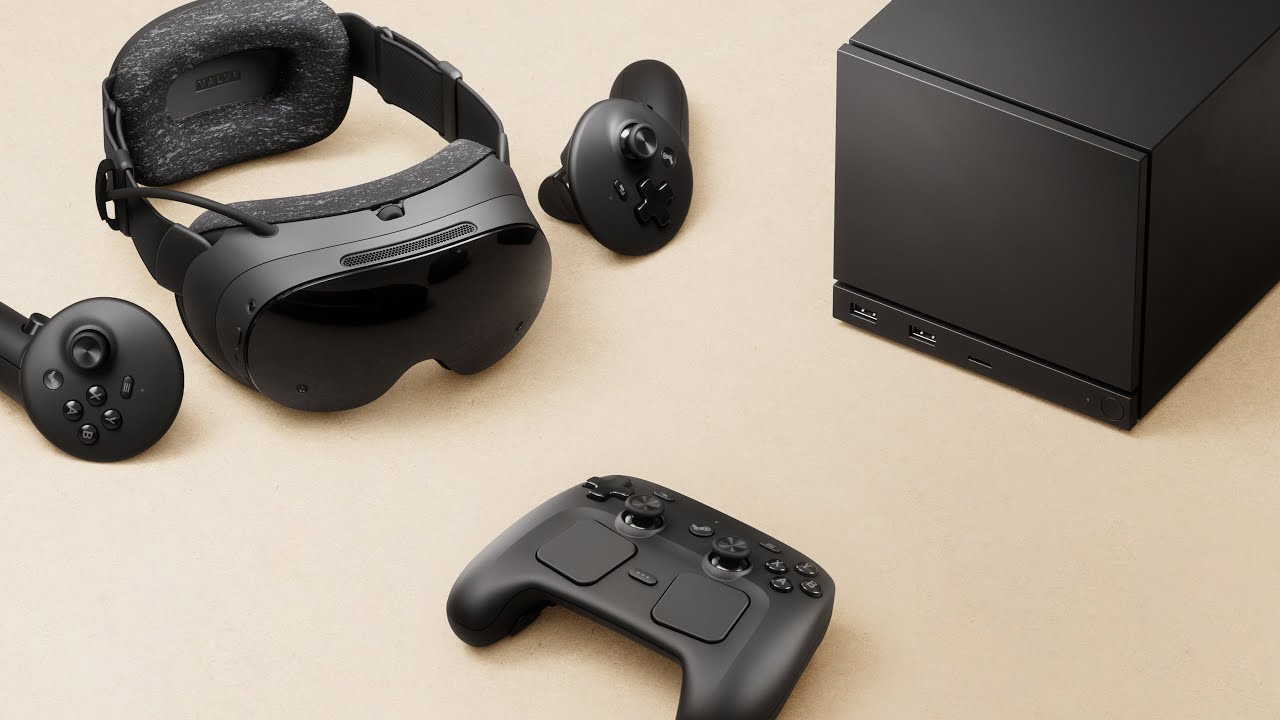
The Steam Frame, Valve's upcoming standalone VR headset, sits in a particularly vulnerable position. It uses a Snapdragon 8 Gen 3 processor, which requires its own allocation of mobile DRAM. If Valve intended to price the Steam Frame aggressively to compete with Quest, the memory shortage may force a higher launch price than originally planned. Valve has not commented on pricing, but the cost pressures are the same ones that pushed Meta to raise Quest prices by $50 to $100.
The irony of Meta's situation
PC Gamer pointed out a detail that deserves more attention: Meta is one of the largest purchasers of AI server hardware on the planet. The company spent $37.3 billion on capital expenditure in 2025, much of it on data center infrastructure packed with HBM. Meta's own AI spending is part of what is driving memory manufacturers to prioritize server-grade chips over consumer DRAM.
Advertisement
Meta is simultaneously the company raising Quest prices because memory costs too much and one of the companies creating the demand that is making memory cost too much. The feedback loop is not lost on industry observers, though Meta has framed the price increase purely as a response to market conditions rather than acknowledging its role in creating those conditions.
When does this end
The honest answer is not soon. Samsung, SK Hynix, and Micron have all announced capacity expansion plans, but new fabrication facilities take 18 to 24 months to come online. IDC projects consumer electronics price increases of 10 to 20% across PCs, tablets, and smartphones by the end of 2026. TrendForce does not expect meaningful relief in consumer DRAM supply before the second half of 2027 at the earliest.
For VR hardware specifically, this creates a challenging environment. The mass market appeal of standalone VR headsets has always depended on price. The Quest 2 succeeded at $299. The Quest 3S was positioned as the new entry point at $299. That price is now $349, and there is no guarantee it will not rise again if DRAM prices continue climbing in Q3.

What this means for buyers
If you are considering a VR headset purchase, the calculus has changed. Prices are unlikely to drop in 2026. The current pricing on Quest hardware, Steam Deck, and whatever Valve charges for the Steam Frame reflects memory costs that are still rising. Waiting for a sale or a price reduction is a bet against a supply shortage that the industry's own analysts say will persist for another 12 to 18 months.
The companies best positioned to absorb the cost increase are the ones with the deepest pockets: Meta, Apple, and ByteDance. Smaller players, HTC, Bigscreen, and the growing number of Chinese headset manufacturers, face a harder choice between raising prices and accepting thinner margins on hardware they already struggle to sell at volume.
AI did not set out to make VR headsets more expensive. But the demand for AI infrastructure has redirected the world's memory production away from consumer devices, and VR is one of the categories feeling the squeeze most acutely. The headsets are not going away. They are just going to cost more for a while.
Advertisement