
Valve pushed SteamOS 0.3.0 to the Steam Frame on Thursday, September 17, the first update it has announced since the headset launched on September 14. The release notes run twelve lines across three sections. Charging is the first one.
HardwareSeptember 21, 2026
Valve's First Steam Frame Update Makes the Headset Charge Faster While It Sleeps
By Alex Reeves
Staff Writer, VR.org
Advertisement
The wording is loose. "Substantially faster charging while unit is off / sleeping," the entry reads, with no minutes attached and no before-and-after figure anywhere in Valve's notes.
That line lands harder on this headset than it would on most. The Frame ships without a power supply. Valve's product page says so outright, and the company sells its own 45W unit for $29 on top of the $1,059 base kit, a split VR.org covered on launch day. Owners who declined and reached for an old Steam Deck brick were already filling a 21.6 Wh battery on borrowed hardware.
Four fixes under General
Four entries sit under General. Faster charging. Controller tracking while haptics are running. System stability under high load. And one reading, in Valve's own quotation marks, "Fixed 'garbled audio' microphone bug."
That is the whole description. No cause, no count of affected units, no word on whether voice chat, recording or both were hit. The fix is dated. The cause is not.
Controller tracking during haptics is the quieter item on the list. The Frame watches its controllers with four monochrome cameras mounted on the headset, and Valve's wording implies tracking slipped whenever a controller vibrated. Rumble-heavy games were the exposure.
A motion smoothing switch that did nothing
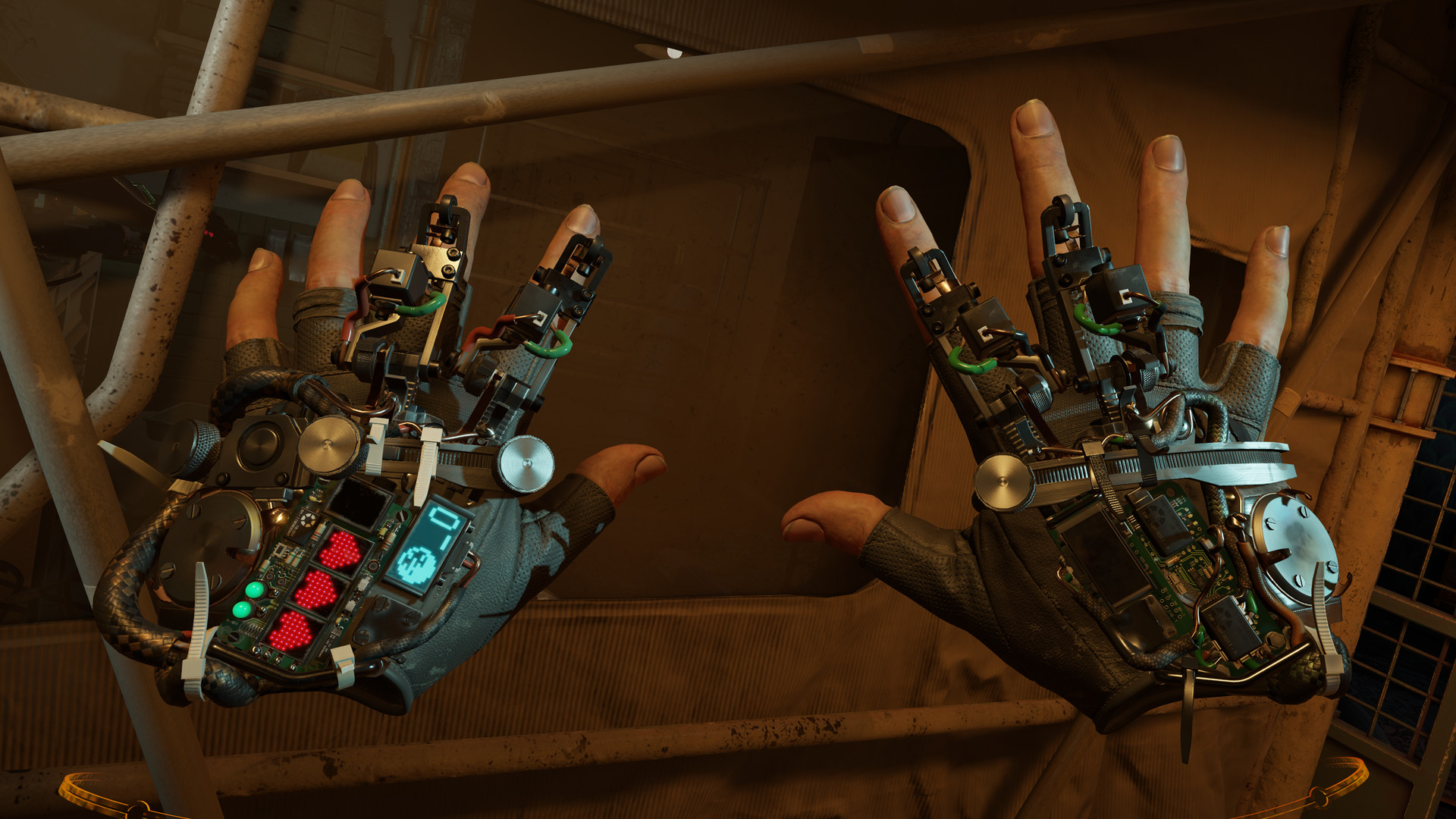
The UX section opens with an admission. Per-app Motion Smoothing set to "Force Always-On" was being ignored.
Set that against the first week of coverage. Anyone who went into a game's settings, forced motion smoothing on and then judged the result was judging a control that never took effect. Valve lists "Improved motion smoothing behavior in Alyx" as a separate line, which carries weight because Half-Life: Alyx is in every Frame box and runs on the headset with no PC in the room.
Two smaller UX changes follow. VR Settings gains a control for game dimming while the dashboard is up. The Play Area screen no longer auto-shows your bounds when you open it.
The 1440p rule is gone
The developer section holds the change with the longest tail: "Change Playable performance criteria to allow any resolution (was: 1440p)."
Playable is the Frame's second compatibility tier, one rung under the Verified badge Valve markets as Great on Frame. VR.org read the tier's public metadata on September 11 and found 23 games in it, three of them held there because they did not support the native resolution. Under the old rule a game had to hold its performance target at 1440p to qualify. Any resolution now counts.
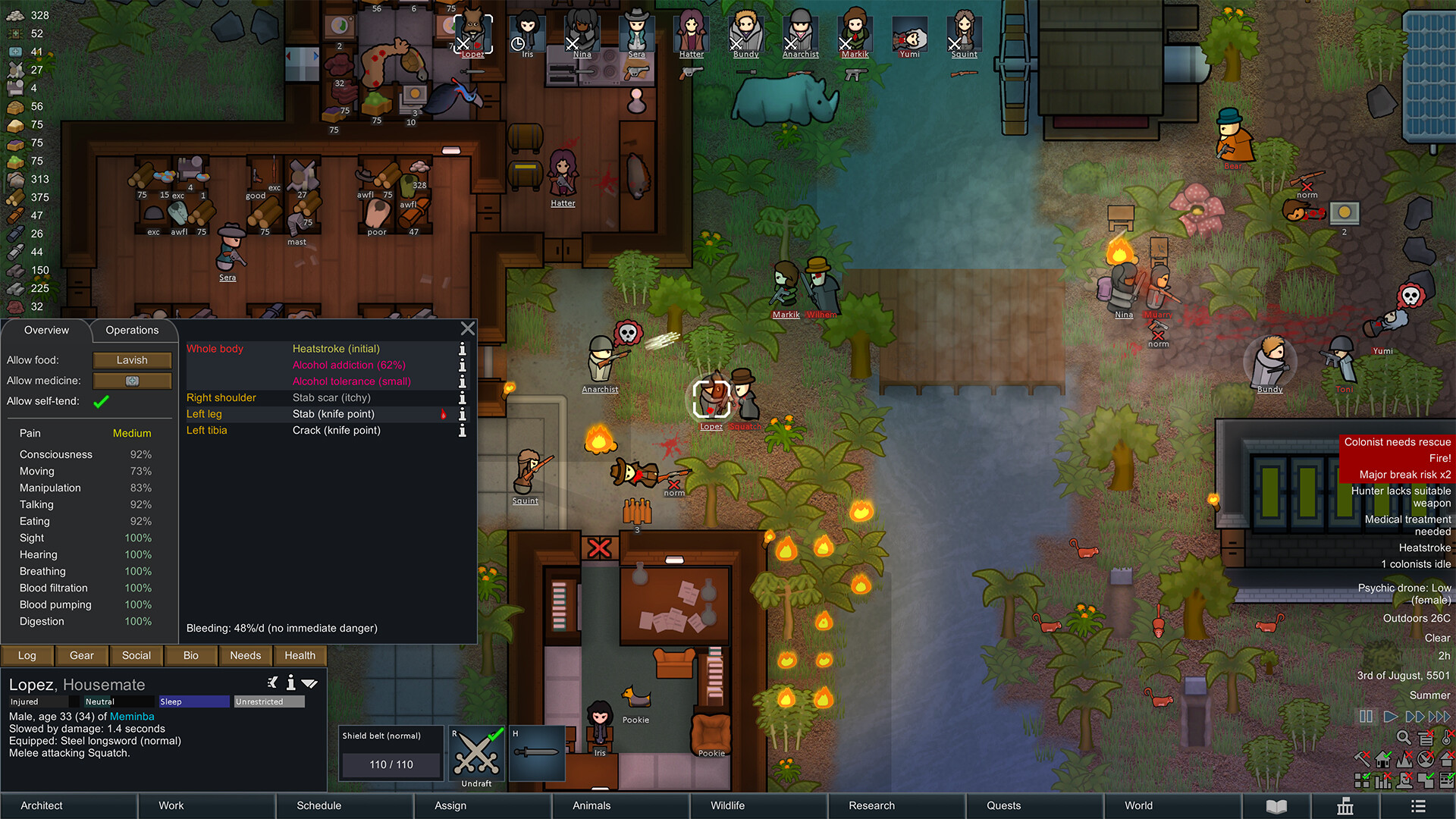
Nobody gets promoted automatically. Valve's compatibility team still has to retest each title and rewrite the result tokens. Whether it reaches the three resolution failures is not clear either, since the token sitting in their metadata reads as a support failure rather than a performance one. Playable is where most of the Frame's flat-game catalog is going to settle either way. RimWorld is in there now, held back by its controller configuration, the wrong button glyphs and a text field that never asks for the on-screen keyboard.
The rest of the developer block is plumbing. Vulkan layer fixes for game compatibility, general OS performance work, and graphics performance work in Mesa, the open-source driver stack everything on the SteamOS side of the Frame draws through.
What it means if a unit is still coming
Most people who want a Frame do not have one yet. Valve ran the launch as a reservation draw, purchase emails are going out in waves, and the waitlist carries no published timeline. Reservations were listed on eBay for up to $2,000 within hours of Valve telling buyers whether they had one.
So the practical read is simple. The charging fix, the mic fix and the dead motion smoothing toggle all get resolved before the majority of buyers open a box, which is the rare case of a headset clearing its launch-week patch before most of its owners have met it.
Budget for the charger anyway. Faster is not the same as included.
Advertisement