
Valve confirmed on Tuesday what leaks had already made obvious: the new Steam Controller launches May 4 at 10 AM Pacific for $99. It will be available exclusively through the Steam store. No retail partners. No Amazon listing. If you want one, you buy it from Valve directly.
HardwareMay 1, 2026
Valve's Steam Controller Launches May 4 for $99. It Solved Stick Drift and Early Reviews Are Glowing.
By Alex Reeves
Staff Writer, VR.org
Advertisement
This is the first piece of Valve's new hardware trio to actually ship. The Steam Machine and Steam Frame are still waiting on dates. But the controller is ready, and based on early reviews from outlets that received units ahead of launch, it appears to be worth the seven-year wait since the original was discontinued in 2019.
What Valve changed from the original
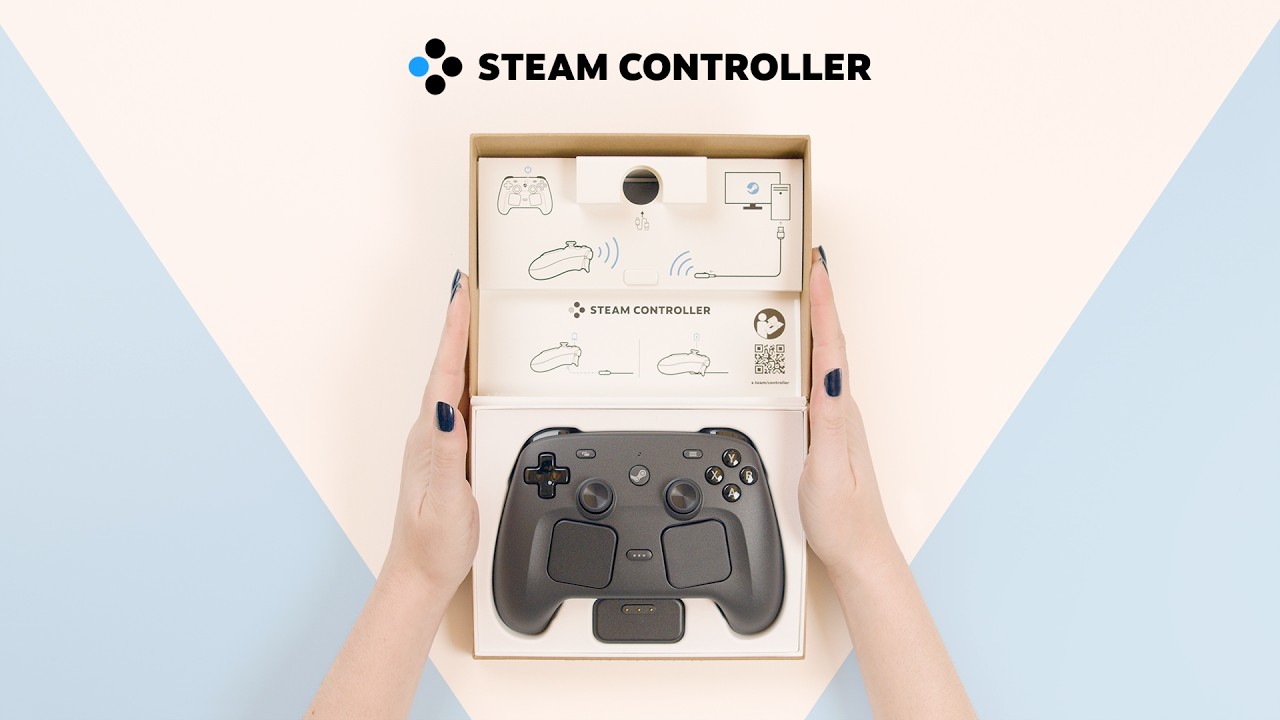
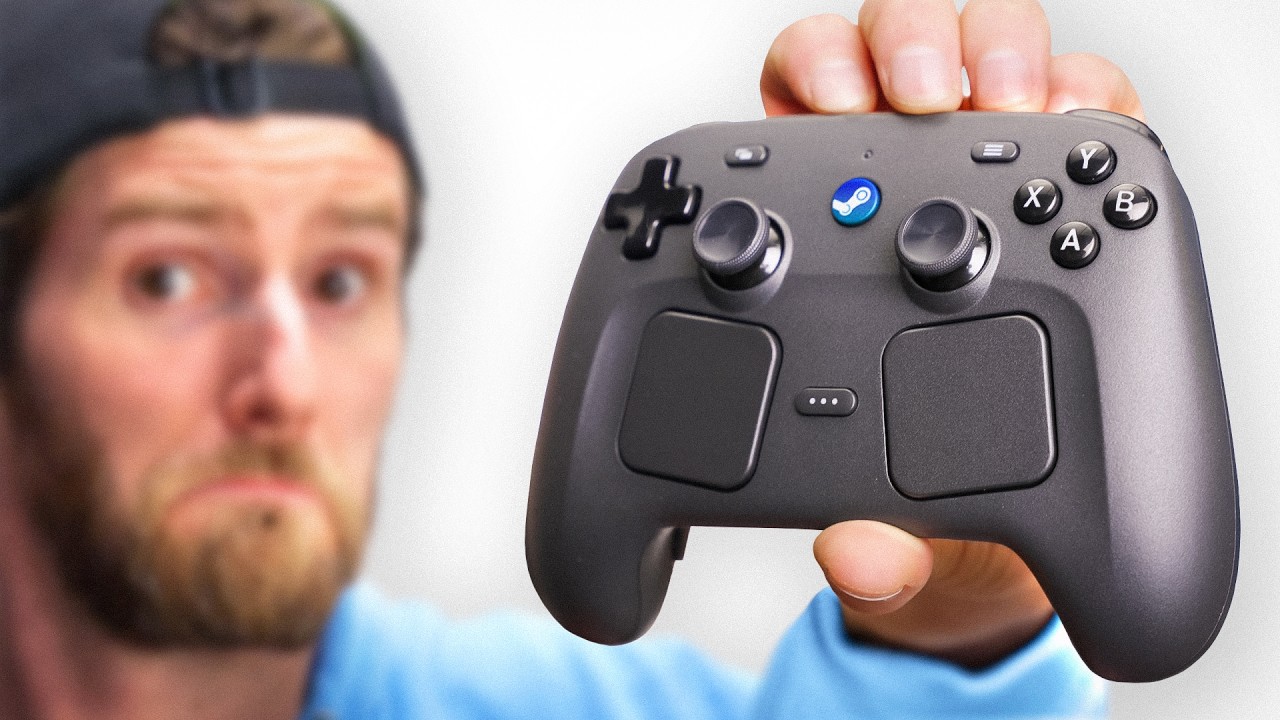
The 2015 Steam Controller was polarizing. Two large circular trackpads, no thumbsticks, and a learning curve that drove many users back to Xbox controllers within a week. Valve clearly heard the feedback. The 2026 version adds two full-size analog thumbsticks positioned above the face buttons, with the trackpads moved below them. The trackpads are now 34.5mm squares rather than large circles, and they sit in a secondary position where they complement the sticks rather than replacing them.
The result is a controller that can function as a conventional gamepad for anyone who wants that, while still offering the trackpad precision that the original's fans loved. You get both inputs. You choose how to use them.
TMR thumbsticks solve stick drift
The thumbsticks use TMR (Tunneling Magnetoresistance) technology instead of traditional potentiometers. In a standard analog stick, physical contacts wear down over time, causing the drift that plagues every controller on the market. TMR sticks use magnetic fields to detect position, which means there is no physical contact to degrade. The sticks also feature capacitive touch, so the controller can detect when your thumb is resting on the stick without any movement, enabling features like automatic gyro activation on thumb contact.
Multiple reviewers have highlighted this as the standout hardware innovation. EarlyMeta ran their piece under the headline "Valve Just Solved Stick Drift for $99." Whether the claim holds up after months of heavy use remains to be seen, but the underlying technology is sound. Hall effect and TMR sticks have been proving themselves in premium third-party controllers for the past two years.
Full spec breakdown
Dual TMR magnetic thumbsticks with capacitive touch. Two 34.5mm square trackpads with haptic feedback and pressure-sensitive click. 6-axis IMU for gyroscope aiming. Grip Sense: two capacitive zones on the rear handles that activate or deactivate gyro based on grip pressure. Four remappable rear buttons. Four vibration motors (two in trackpads, two in grips) supporting complex haptic waveforms. 2.4GHz wireless via the included Steam Controller Puck with approximately 8ms end-to-end latency and 4ms polling rate. 35+ hours of battery life. USB-C charging.
Regional pricing: $99 USD, £85 GBP, €99 EUR, $149 CAD, $149 AUD. Steam store exclusive, no retail availability.
Why it dodged the memory crisis
Every other piece of Valve hardware has been affected by the global DRAM shortage. The Steam Deck OLED goes in and out of stock. The Steam Machine and Steam Frame timelines have been pushed back. The Steam Controller ships on schedule because it contains neither RAM nor storage. It is a pure input device with a wireless radio, sensors, and motors. No memory chips, no supply constraint, no delay.
This makes the controller an ideal first product for Valve's hardware relaunch. It gets hardware into customers' hands, builds momentum for the brand, and demonstrates that Valve can ship on time, even if the bigger products are still waiting on component availability.
Early review consensus
Outlets including PC Gamer, TechRadar, Tom's Hardware, and Gizmodo published reviews this week from early access units. The consensus is overwhelmingly positive. PC Gamer called it the best controller for living room PC gaming. TechRadar's reviewer, a 30-year PC gaming veteran, placed it among his favorite gamepads since the Sega Saturn pad. Gizmodo's headline was blunt: "Trackpads Change Everything for PC Gaming."
The common thread across reviews is that Valve fixed what was broken about the original (no sticks, steep learning curve, divisive ergonomics) while keeping what was innovative (trackpads for mouse-like precision, deep input customization, community controller profiles). The design is more conventional without being generic. It is recognizably a Valve product that also works like a normal controller when you want it to.
What this means for Steam Frame
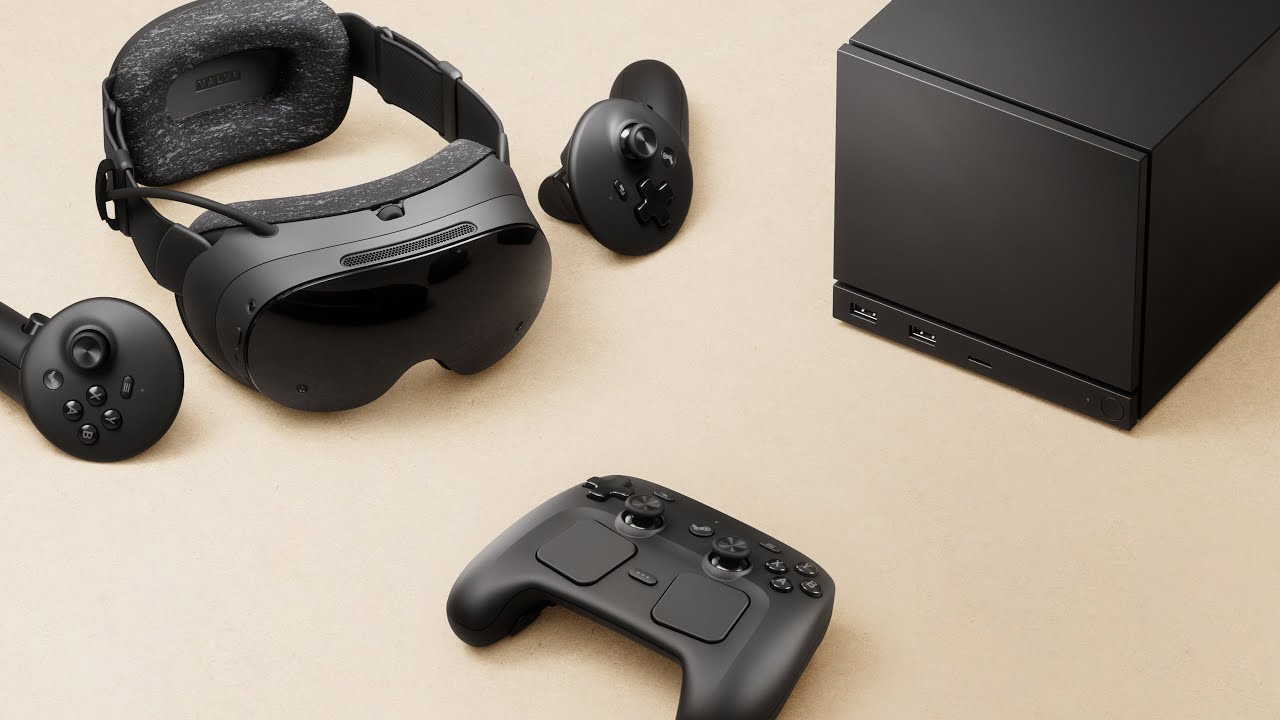
For VR.org readers, the Steam Controller matters because it is paired with the Steam Frame. Valve has described the controller as the primary input device for the headset when used in standalone mode. The Grip Sense feature, which activates gyro based on how you hold the controller, maps naturally to VR interactions where hand presence matters. The low-latency wireless connection and high-definition haptics are designed with immersive use cases in mind.
When the Steam Frame eventually ships, the controller will already be in thousands of users' hands. They will already know the input layout, the haptic language, and the Steam Input customization system. That head start matters for platform adoption. Valve is building the ecosystem piece by piece, and the controller is piece number one.
May 4, 10 AM Pacific, Steam store. $99. Set an alarm.
Advertisement