
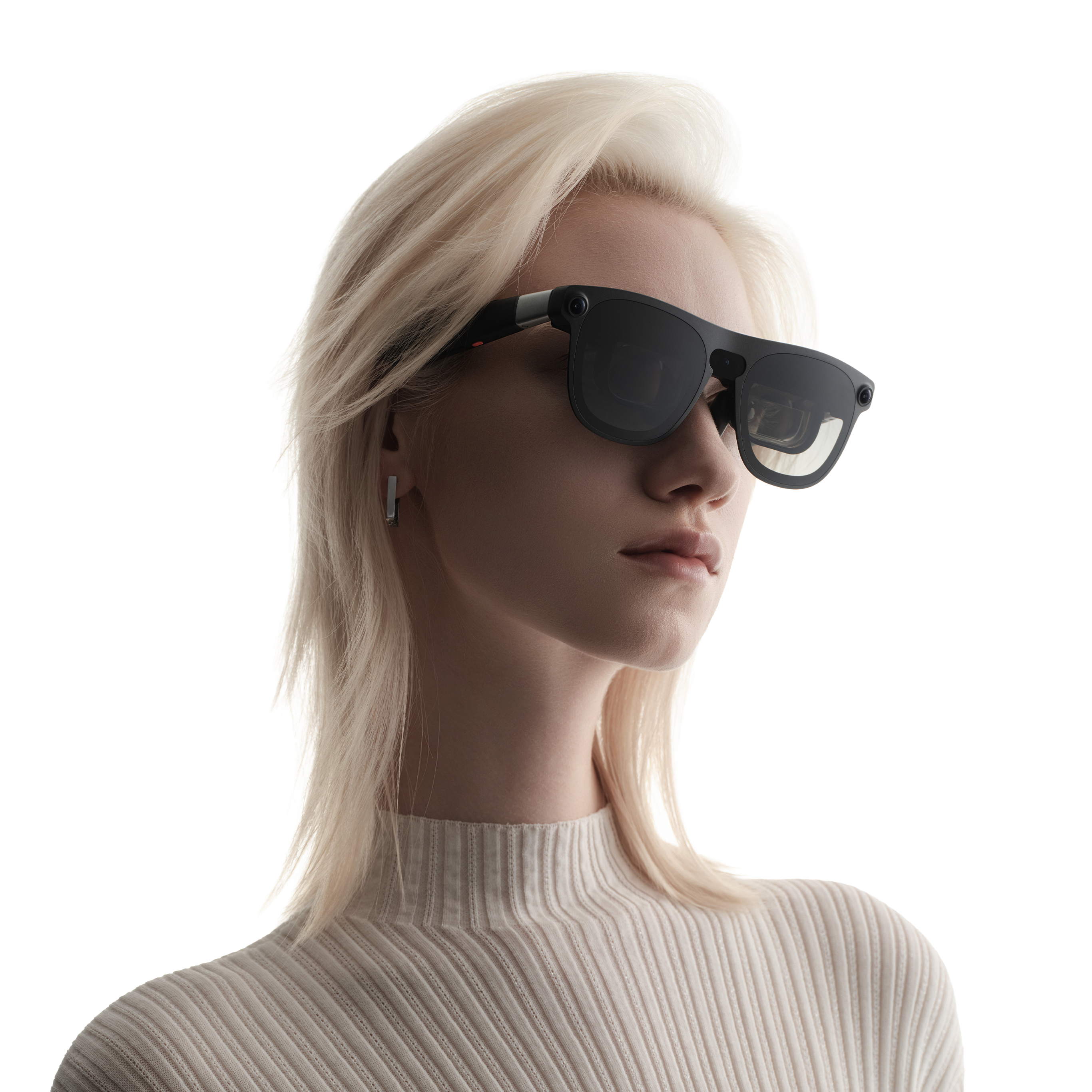
XREAL has done the thing the rest of the AR glasses industry has been dancing around: it put a real, consumer-facing price ceiling on display AR. The company opened reservations for AURA, its Android XR glasses formerly known as Project Aura, with a retail price capped at no more than $1,500 and availability confirmed for Fall 2026 across the United States, United Kingdom, Canada, Japan, and South Korea. After a year of glasses that cost as much as a high-end laptop, AURA is the first credible display AR product to aim meaningfully lower, and the number reframes the whole conversation.
ArJune 30, 2026
XREAL AURA Opened Reservations Under $1,500. It Just Undercut Snap's AR Glasses by $700.
By Jordan Kuo
Staff Writer, VR.org
Advertisement
The price is the headline
Context is everything here. Two weeks ago at AWE, Snap opened preorders for its Specs at $2,195, a price we dug into when the Specs reservations went live. Samsung's Galaxy XR headset sits in premium territory too, and the company's upcoming Galaxy Glasses remain undated. Into that landscape, XREAL is promising AURA will cost no more than $1,500, and likely less. That is roughly $700 below Snap, and it is the first time a serious pair of Android XR display glasses has been positioned as the affordable option rather than the aspirational one.
I want to be precise about what that price cap means, because XREAL phrased it carefully. No more than $1,500 is a ceiling, not a sticker. The final number could land lower, and XREAL has a history of aggressive pricing relative to the rest of the category. Either way, the company is signaling that it intends to compete on accessibility, which is exactly the lever a smaller player pulls when it cannot outspend Google, Samsung, and Snap on marketing. Undercut them instead.
How XREAL got the price down
Here is the part that matters technically, and the honest tradeoff buried in the headline. AURA is not built like Snap's Specs, and the difference is the reason it can be lighter and cheaper. Snap's Specs are fully standalone, with all the computing and battery packed into the frames, which is why they weigh 132 grams and cost what they cost. AURA takes the opposite approach. It weighs under 95 grams on your face and offloads the heavy components to a tethered compute puck that sits in your pocket and connects by a cable.
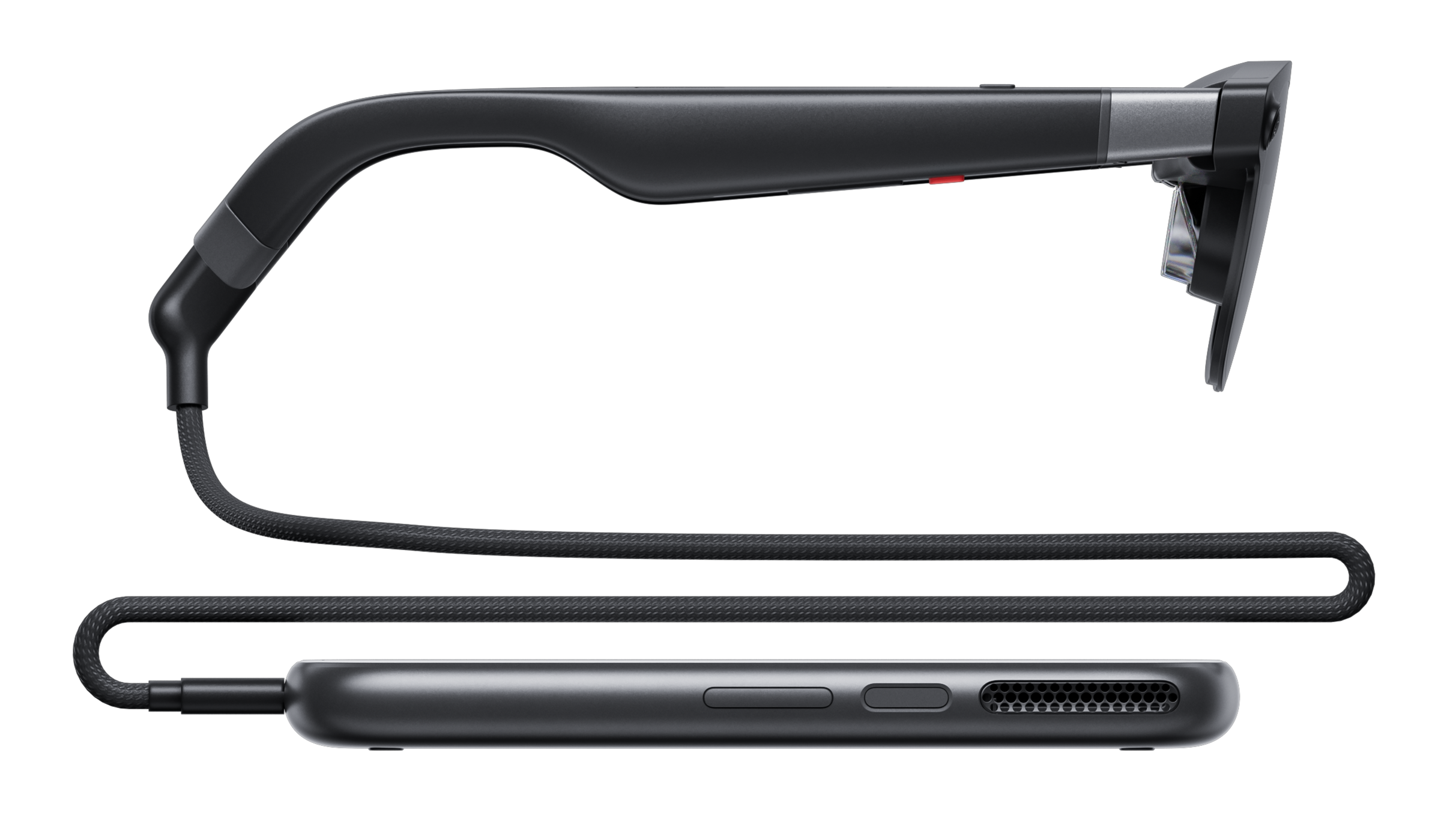
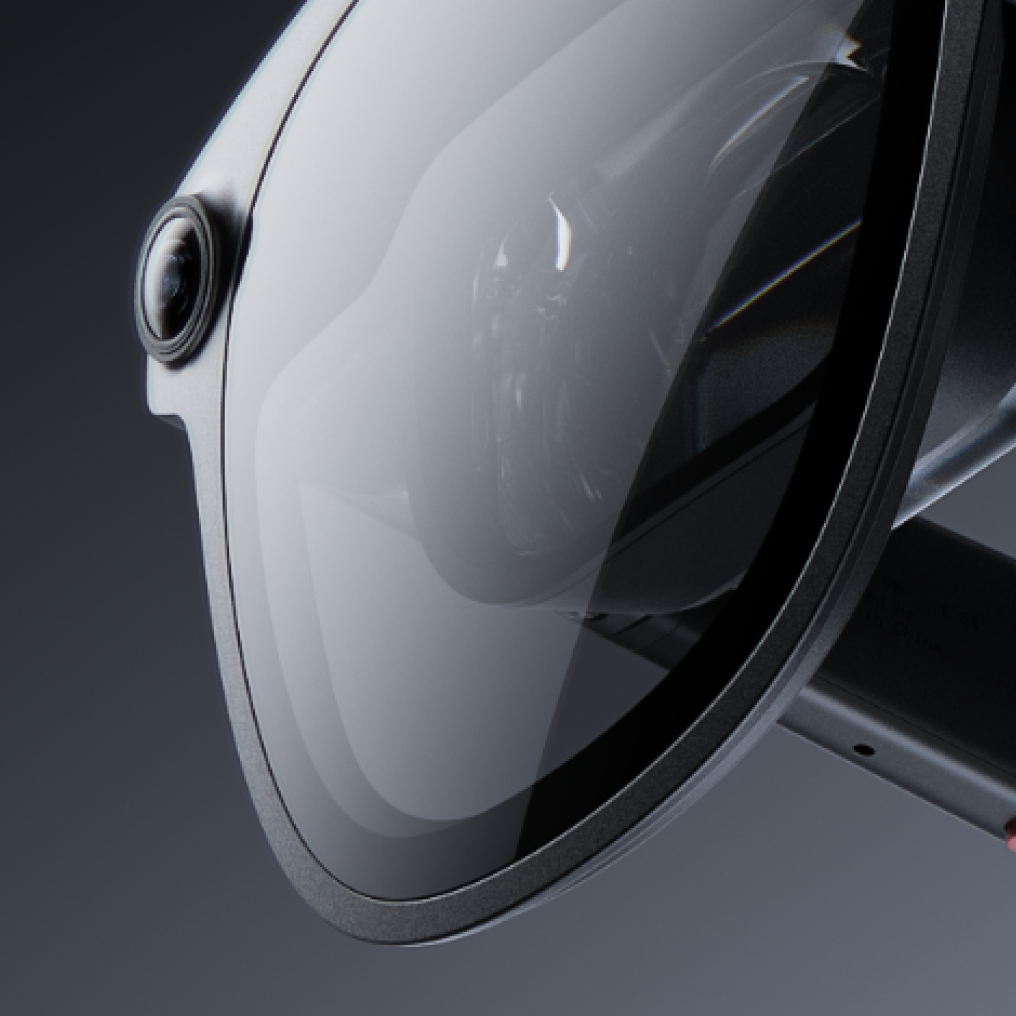
That architecture is the whole trick. By moving the processor and battery off your head and into the puck, XREAL keeps the glasses genuinely light and shifts cost out of the most space-constrained, expensive-to-engineer part of the device. The result is a 70-degree field of view through optical see-through lenses, running Android XR with Gemini built in, on glasses light enough to wear comfortably, at a price no standalone competitor can currently touch. The cost is the cable and the puck. You are not buying an all-in-one device, you are buying glasses with a brain in your pocket.
Whether that tradeoff bothers you depends entirely on what you want. For seated or stationary use, a puck in your pocket is a non-issue and the lighter glasses are a clear win. For someone imagining all-day, hands-free, walk-around-town AR, the tether is a real compromise. There is no free lunch in this category yet, and XREAL chose lightness and price over total independence.
What it means for Android XR
Step back and the bigger story is about the platform. AURA opening reservations makes it one of the first third-party Android XR devices to reach actual consumers with a price and a date, and that matters for the thesis I graded just last week in our Android XR mid-year report card. The entire Android XR bet rests on many manufacturers shipping many devices at many price points, exactly the way Android phones did. A premium Samsung headset alone does not prove that model. A lighter, cheaper pair of glasses from a different manufacturer, running the same operating system and the same Gemini assistant, reservable today, is the first real evidence that the multi-vendor strategy is actually producing variety rather than promises.
It also drags the price floor of display AR down, and that is healthy for everyone. Once one credible product lands under $1,500, the next one has to justify costing more, and the whole category starts inching toward prices normal people might eventually pay. AURA is not a mass-market device at this price, but it is a step down the curve, and the curve is the only thing that matters long term.
The open questions
Plenty is still unsettled. Fall 2026 is a window, not a date, and we have watched enough launch windows slip this year to hold the timing loosely. The real-world experience of the tethered puck, how the cable feels in practice and how long the battery lasts, will make or break the product in reviews. And no more than $1,500 still is not cheap, so AURA remains an enthusiast and early-adopter purchase rather than a mainstream one. But for the first time, an Android XR device is competing on value instead of spectacle, and in a category drunk on $2,000 reveals, that might be the most interesting move anyone has made. Reservations are open now. The real test comes this fall.
Advertisement