
Pimax says it will have shipped every outstanding Dream Air and Dream Air SE preorder by August. For a company whose reputation was built roughly half on ambitious optics and half on missed dates, that is a sentence worth sitting with.
HardwareJuly 16, 2026
Pimax Says Every Dream Air Preorder Ships by August. The Company Famous for Missing Dates Is Finishing First.
By Alex Reeves
Staff Writer, VR.org
Advertisement
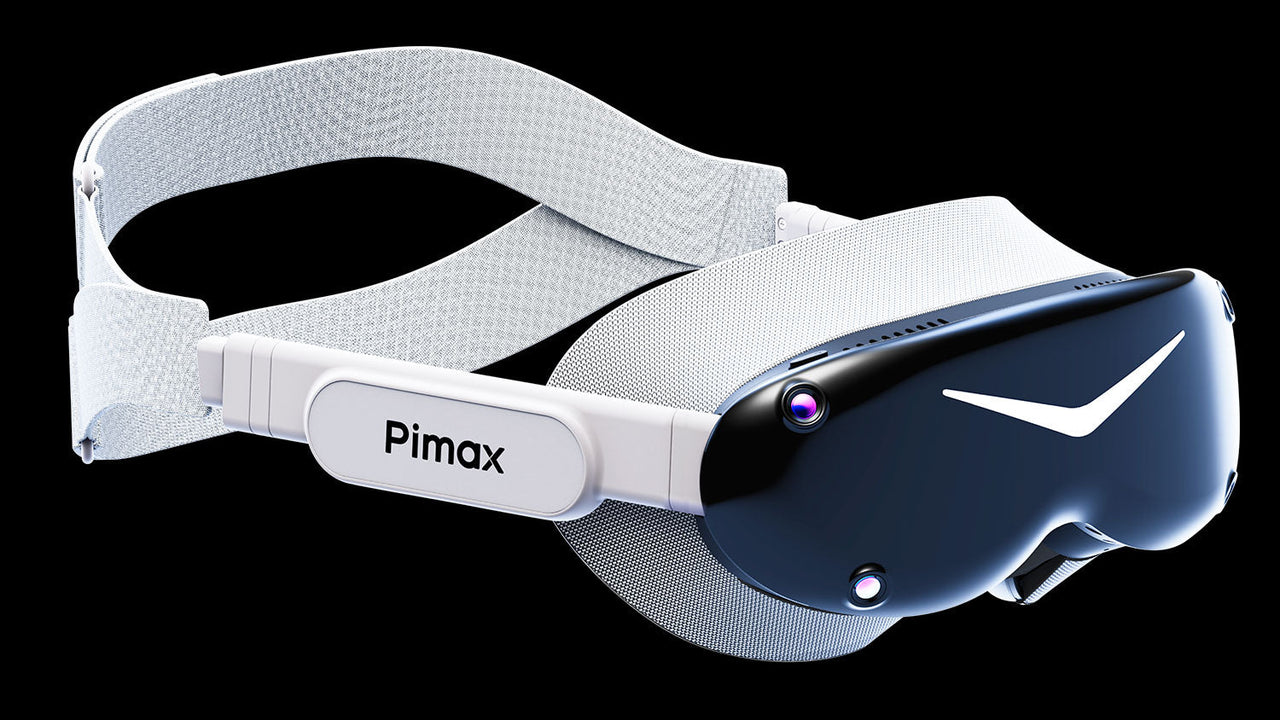
The company confirmed the timeline in its July 1 progress update, the bi-weekly post where Pimax tells its users what is actually happening rather than what was promised. Both headsets are shipping daily. Dream Air SE units are going out in weekly batches. The revised face mask, which a lot of early buyers have been waiting on, starts landing in late July. At the current pace, Pimax expects the backlog to be gone next month.
That backlog has been a long time accumulating. Pimax first announced Dream Air in December 2024. It announced the cheaper Dream Air SE in May 2025, before the original had even reached external beta testers. Both slipped repeatedly. Some of the people finally unboxing an SE this summer put money down over a year ago.
What you actually get
Dream Air is the flagship: Sony micro-OLED panels at 3,840 by 3,552 per eye, concave-view pancake optics, 110 degrees horizontal field of view, eye tracking, automatic IPD adjustment, spatial audio, DisplayLink, and a shipping weight under 180 grams. It runs $1,999 for the Lighthouse-tracked version without controllers and $2,299 for the SLAM version with them.
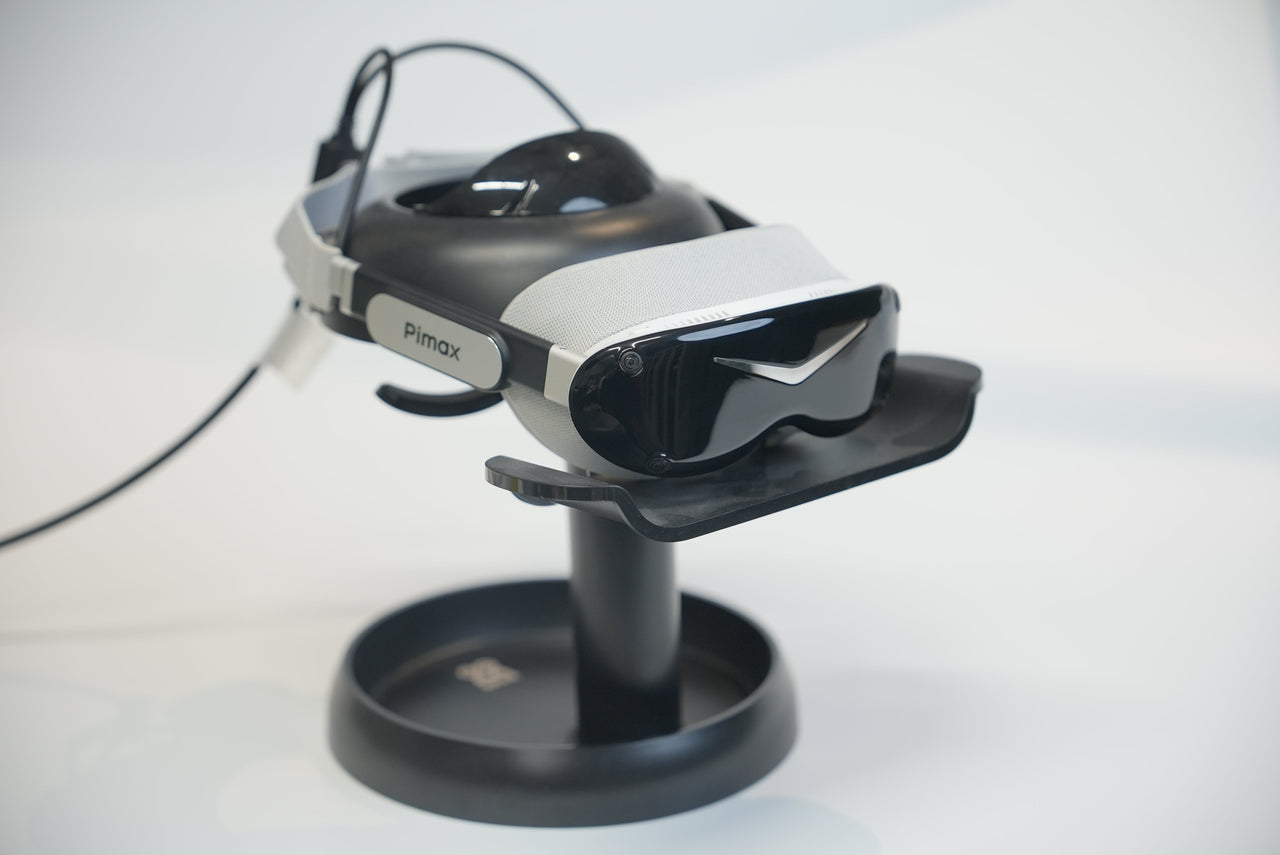
Dream Air SE is the same idea with the resolution dialed back to 2,560 by 2,560 per eye and the FOV to 105 degrees. It weighs somewhere around 140 grams and costs $899 without controllers or $1,199 with SLAM tracking and controllers.
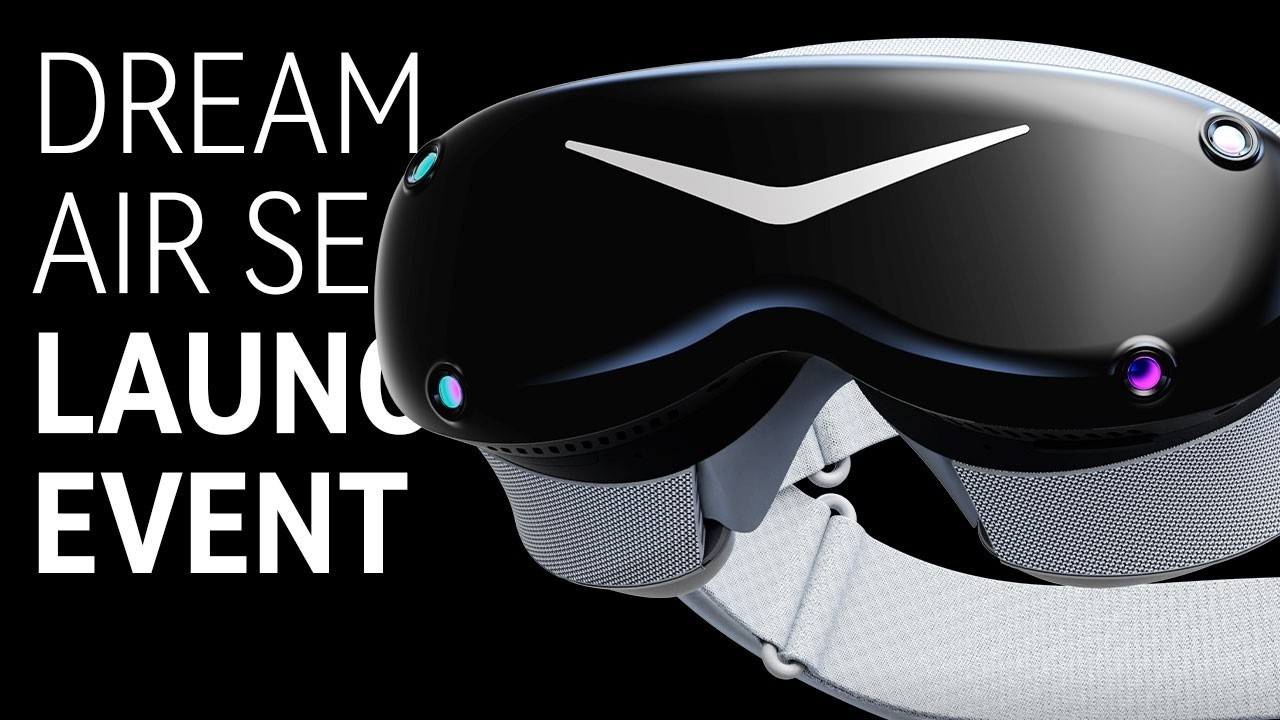
The SE is the interesting one. At $899 it lands in the same neighborhood as the Bigscreen Beyond 2, which VR.org has covered twice now for the same basic reason: it is a 107-gram argument that PC VR did not die, it just got small and expensive and stopped caring about the mass market. There are now three credible thin-and-light PC VR headsets you can order today. Two years ago there were none.
The part that matters
Here is the context that makes this more than a shipping notice.
Valve still has not named a price or a date for Steam Frame. Hardware has cleared US customs, the FCC filings are public, and Valve has gone as far as putting a "Great on Frame" section on Steam, but the two numbers that determine whether you should buy one remain unspoken. The reason Valve has given is the memory market, where contract prices have run up more than 170 percent year over year. Steam Machine shipped at $1,049 with that headwind baked in. Meanwhile Quest 4 has been pushed to 2027 at the earliest, and Meta's next-generation headsets are a Connect tease in September rather than a product.
Advertisement
Pimax is shipping through all of that, and the reason is structural rather than heroic. Dream Air and Dream Air SE are tethered headsets. No mobile SoC, no onboard game storage, no 16GB of LPDDR5 sitting inside the visor competing with every AI datacenter on earth for the same wafer allocation. The DRAM crunch that is holding Valve's price sheet hostage barely touches a device whose job is to be a very good pair of screens on the end of a DisplayPort cable. Being architecturally boring turns out to be a supply chain advantage in 2026.
The flip side is scale. Global VR headset shipments fell 17 percent year over year in Q1, and Pimax is not the company that reverses that. Clearing a preorder backlog measured in thousands is not the same as selling a product. It is finishing a promise.
Software is still the tell
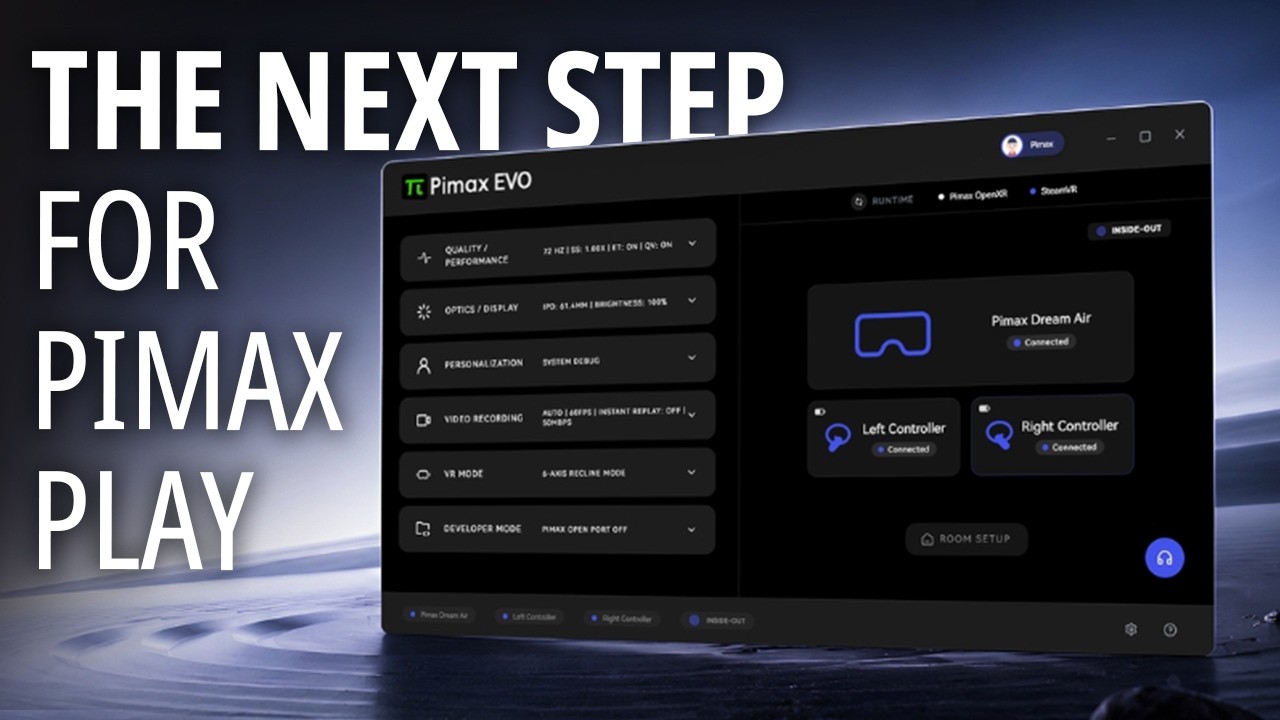
The same July update shipped Pimax Play 2.0.2, and its changelog is the most honest document the company publishes. It added a diagnostic that detects when your cameras have been silently disabled and offers a one-click repair. It added another that notices when you have cranked image quality past what your machine can survive. It fixed an issue where support tickets could not be submitted through the support system, which is the kind of bug that tells you something about the preceding months. Dream Air SE firmware 1.0.4 fixed a brightness adjustment bug and improved IPD accuracy.
None of that is glamorous. All of it is the work of turning a headset that exists into a headset that is pleasant to own, and it is historically where Pimax has struggled worse than it struggles with panels and lenses. The company also opened officially in South Korea on July 10 and has been running a roadshow through Germany, France, and the US, which is what a company does when it thinks it finally has something it can hand to a stranger without a paragraph of explanation.
So the honest read: Pimax is about to do the thing it has historically been worst at, which is finishing. That does not make Dream Air the headset most people should buy, and $899 before you own a PC capable of driving it is not a mass-market number. But while the two biggest names in PC-adjacent VR are stuck explaining why they cannot tell you a price, the enthusiast weirdos are shipping 140-gram micro-OLED headsets out of a warehouse every week. That is not nothing. Some months in this industry, it is most of what there is.
Advertisement