
ENGO Eyewear, a Grenoble-based maker of augmented reality sports glasses, has raised €5.1 million in a round led by Ventech, Odyssée Venture and Bpifrance Amorçage Industriel, the company announced this week. Blueprint Partners advised on the raise. The size of the round places ENGO at a scale most XR coverage skips over, which is precisely why it is worth reading closely.
ArJuly 27, 2026
A Grenoble Startup Raised €5.1 Million Selling AR Glasses to Runners
By Sam Whitfield
Contributing Writer, VR.org
Advertisement

The product in question is the engo3, a pair of sports sunglasses with a micro-OLED display embedded in the lens. It weighs 38.5 grams, runs more than 20 hours on a charge, and pairs with a Garmin watch or an Apple Watch to project heart rate, pace and power into the wearer's field of view, color-coded by training zone. On the company's US storefront the standard model lists at $399.95, with a photochromic version at $449.95. ENGO designs and assembles the glasses in France and says roughly 90 percent of its revenue comes from outside the country.
The stated use of proceeds is conventional for a round this size: 20 hires in France across engineering, software, data and business development, international commercial expansion, and research into display miniaturization and further weight reduction. "Since ENGO's inception, we have pursued a simple vision: enabling athletes to stay focused on their performance, not the technology," chief executive Eric Marcellin-Dibon said in the announcement. Chief operating officer Fabrice Berger Duquene framed the raise as a means to "solidify our leadership position in sports smart eyewear."
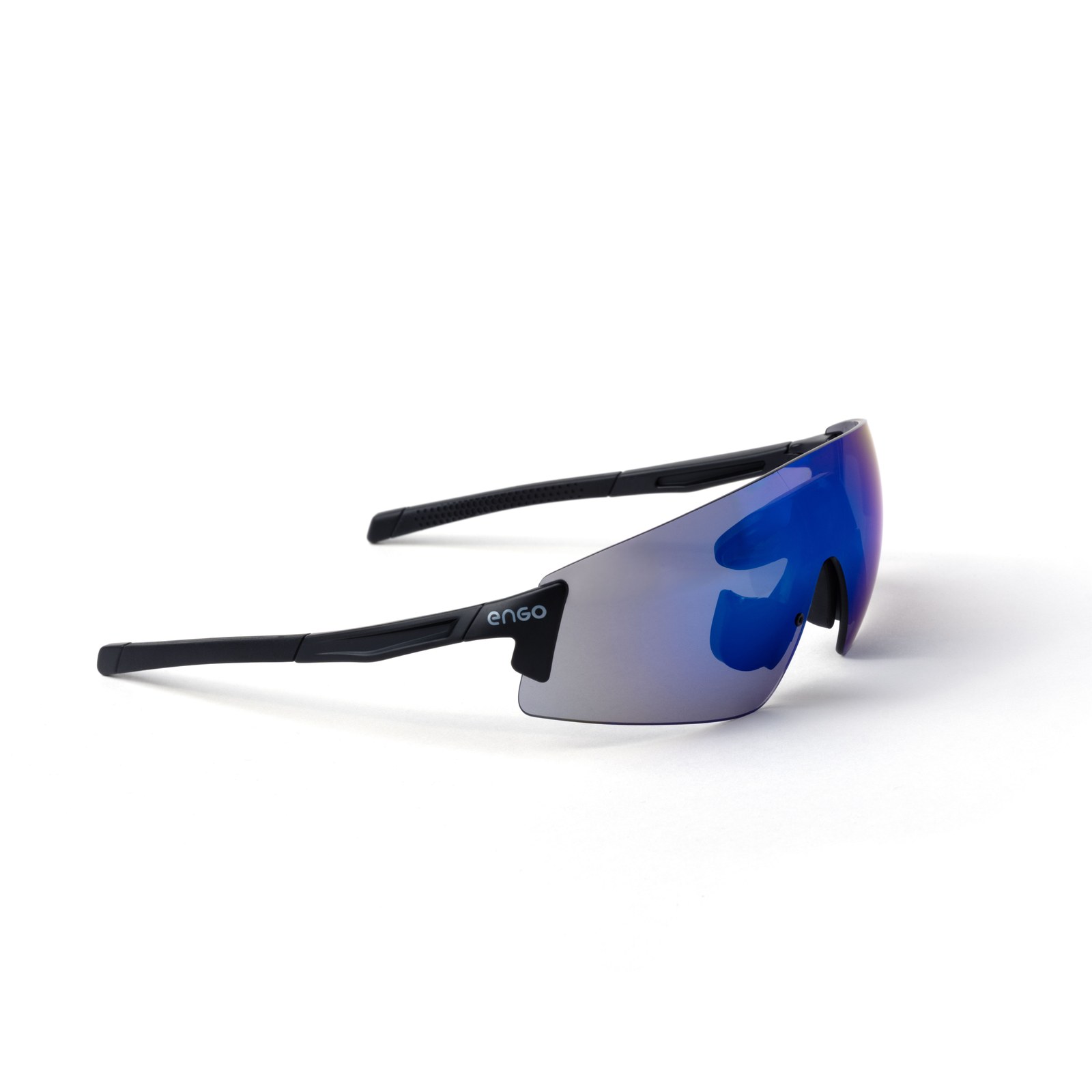
The camera-free branch keeps getting funded
Take those two executive quotes at face value and they describe a product philosophy rather than a technology roadmap. The engo3 has no camera, no microphone, no assistant, and no app store. It reads sensor data from a device the athlete already owns and displays a handful of numbers. That is a narrower proposition than anything Meta or Snap is selling, and it is also the reason the battery lasts a training block instead of an afternoon.
This is the same structural split visible in Even Realities reaching a $1 billion valuation without putting a camera on the frame. Two companies, two very different end users, one shared bet: that a display glass which does one job well outsells a display glass that attempts everything. The privacy math is simpler, the industrial design is lighter, and the regulatory exposure is smaller, which matters more in Europe than most US coverage acknowledges.
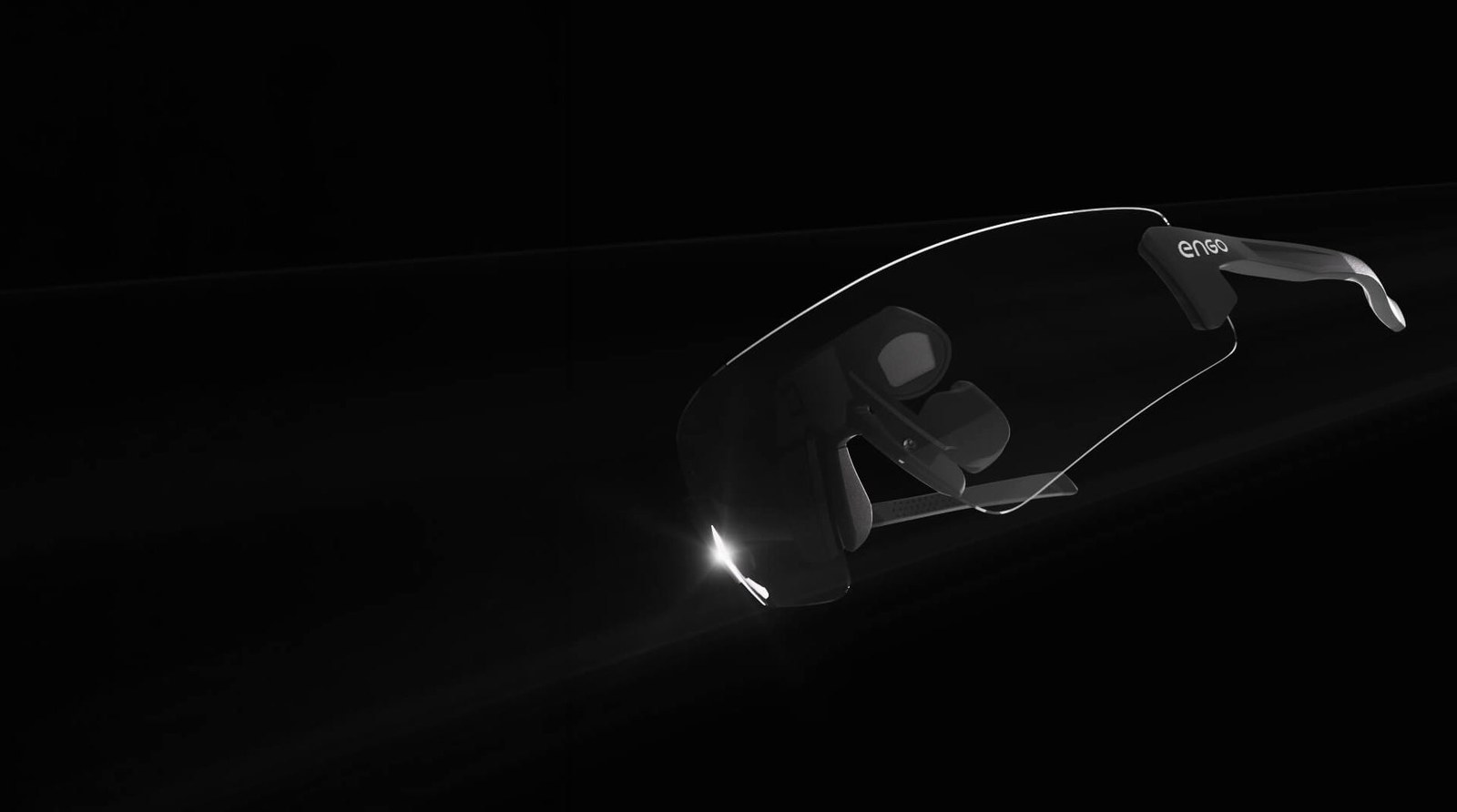
The category advantage is that the glasses were already there
Endurance athletes already wear sunglasses during every session, and they already spend real money on them: a mainstream cycling or running frame from Oakley, Smith or 100% runs $200 to $280 before any electronics are involved. Against that baseline, ENGO is asking for roughly $150 in incremental spend for a heads-up display, not $400 for a new object to remember to bring.
That framing has done a lot of work in this market already. Jordan made a version of the same argument in July about XREAL shipping $299 display glasses while everyone else fights over $2,000 devices. The distinction here is that ENGO is not competing on price within XR at all. It is competing on price within sports eyewear, a category with established distribution through bike shops and running specialists, and a buyer who replaces the product every few seasons anyway.
What the round does not tell us
ENGO disclosed no unit sales, no revenue figure and no growth rate, so the "leadership position" claim in the announcement is the company's characterization rather than a measurable one. Bpifrance participation is also worth reading carefully. It is a French public investment bank with an explicit industrial policy mandate, and its presence in a round signals national manufacturing priorities alongside commercial conviction, which is not the same as a purely market-driven signal.
The addressable market is bounded in a way the announcement does not address either. Serious endurance athletes who train with a power meter or a heart rate strap are a devoted segment but a small one, and the further ENGO pushes toward casual runners, the more the display has to justify itself against a watch the buyer can simply glance at. Twenty new hires against €5.1 million also implies a fairly short runway before the next raise, assuming hardware margins in line with the rest of the category.
For anyone tracking where display glasses are actually selling rather than where they are being demonstrated, the useful takeaway is narrower than the funding headline. Categories where people already wear the frame, already pay for the frame, and already have a data source to feed the display are converting now, at hardware prices between $300 and $450. Categories built around a general-purpose wearable computer are still in the demonstration phase. Purchasing decisions over the next 18 months should be weighted accordingly.
Advertisement