
Lumus added a third manufacturer for its waveguides on September 9. Zhejiang Crystal-Optech will build the geometric waveguides that sit inside the lenses of AR glasses, joining Quanta Computer and SCHOTT. Eight days before that, the same company licensed its next generation of thin waveguides to Quanta. Two supply agreements, eight days apart, out of an optics company in Ness Ziona, Israel.
HardwareSeptember 10, 2026
Two Waveguide Deals in Eight Days, and Both Partners Are Lumus Investors
By Alex Reeves
Staff Writer, VR.org
Advertisement
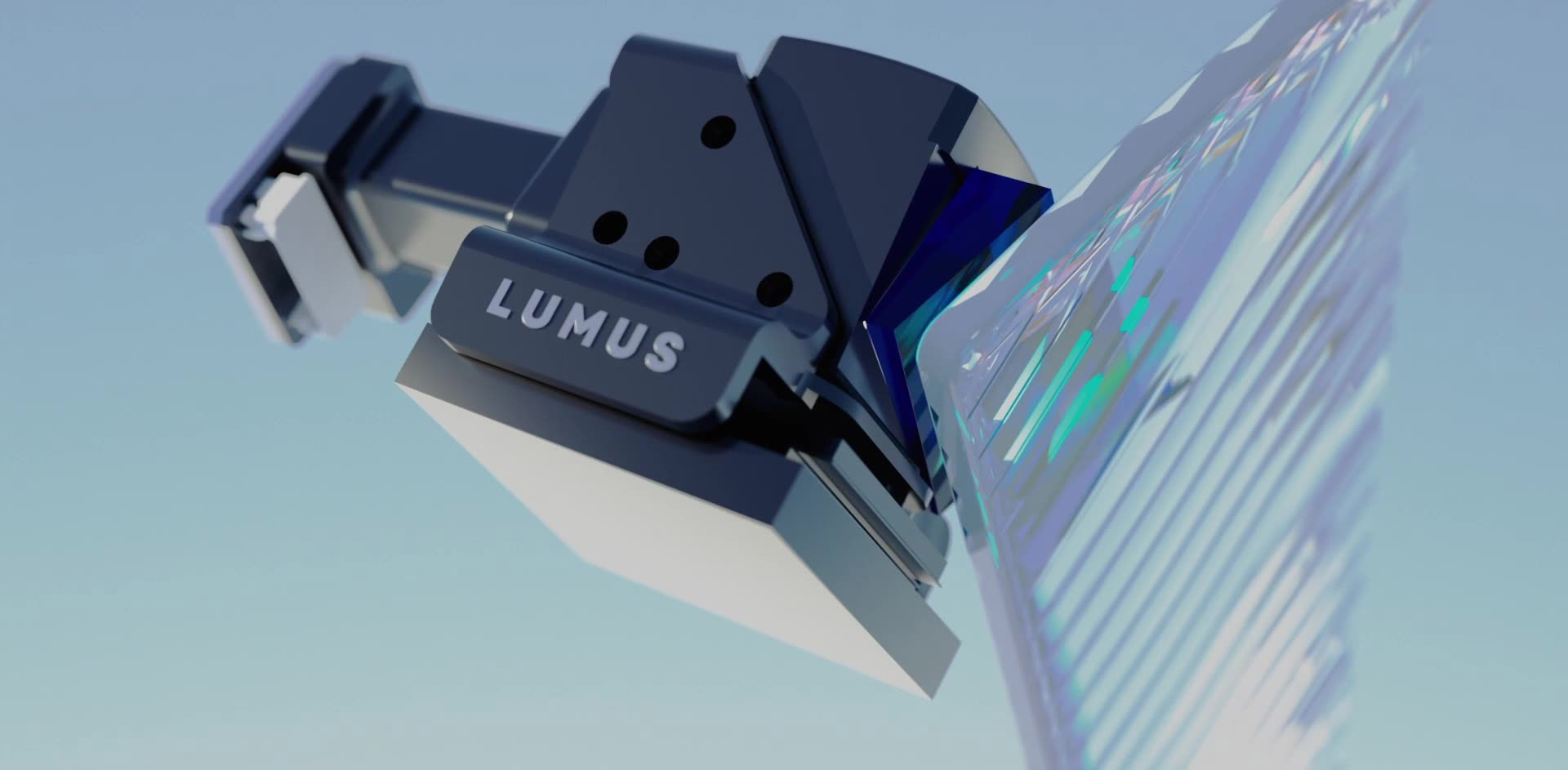
Crystal-Optech is not a new name here. The September 9 announcement dates the working relationship to 2011, and Lumus CEO Ari Grobman went one step further in it. "Apart from being an investor in our company, Crystal-Optech has years of experience manufacturing sophisticated optical components at significant volumes for some of the world's leading technology companies," he said. A shareholder, moving from long-running partner to contracted manufacturer. Quanta is the same shape. Its September 1 licensing deal is described as building on an investment Quanta made in Lumus in 2016.
The new manufacturer was founded in 2002, says it has shipped more than 30 billion serial components, and runs plants across China and Vietnam. Its stated specialties are thin-film optics, optical coating and precision assembly. That combination is the whole reason it is worth signing. Lumus builds reflective waveguides, which steer light through glass using arrays of partially reflective surfaces rather than the diffraction gratings most of its competitors etch, and the difference between a good unit and scrap is largely a coating and assembly problem. Companies that have run 30 billion of anything tend to be good at that.
What Quanta actually signed for
The September 1 agreement is a license, not a build order, and the distinction is the interesting part. Quanta gets to manufacture the next generation of Lumus thin waveguides, named in the release as Z-30 2.0 and A-Lens, at 30 and 50 degree fields of view. Lumus says A-Lens is roughly half the weight and thickness of the previous generation. Z-30 2.0 holds the 30 degree field of view, raises brightness, and enables a prescription lens to be bonded directly onto the waveguide.

That prescription line is the commercial one. Every pair of glasses sold through an optician eventually meets a customer who needs correction, and an optical stack that cannot take a prescription lens is a stack that only sells to people with good eyesight. C.C. Leung, Quanta's Vice Chairman and President, said in the release that the deal "reflects our confidence in Lumus' advanced waveguide portfolio" and strengthens a long-term collaboration on production-ready optics for AI-enabled smart glasses.
The customer nobody named
Lumus lists Meta Ray-Ban Display glasses among the products built around its geometric waveguides, alongside Thales' Scorpion full-color head-mounted display, Augmedics' X2 surgical system and Lenovo's ThinkReality A6. Its catalog runs from 20 degrees to over 70 degrees of field of view.
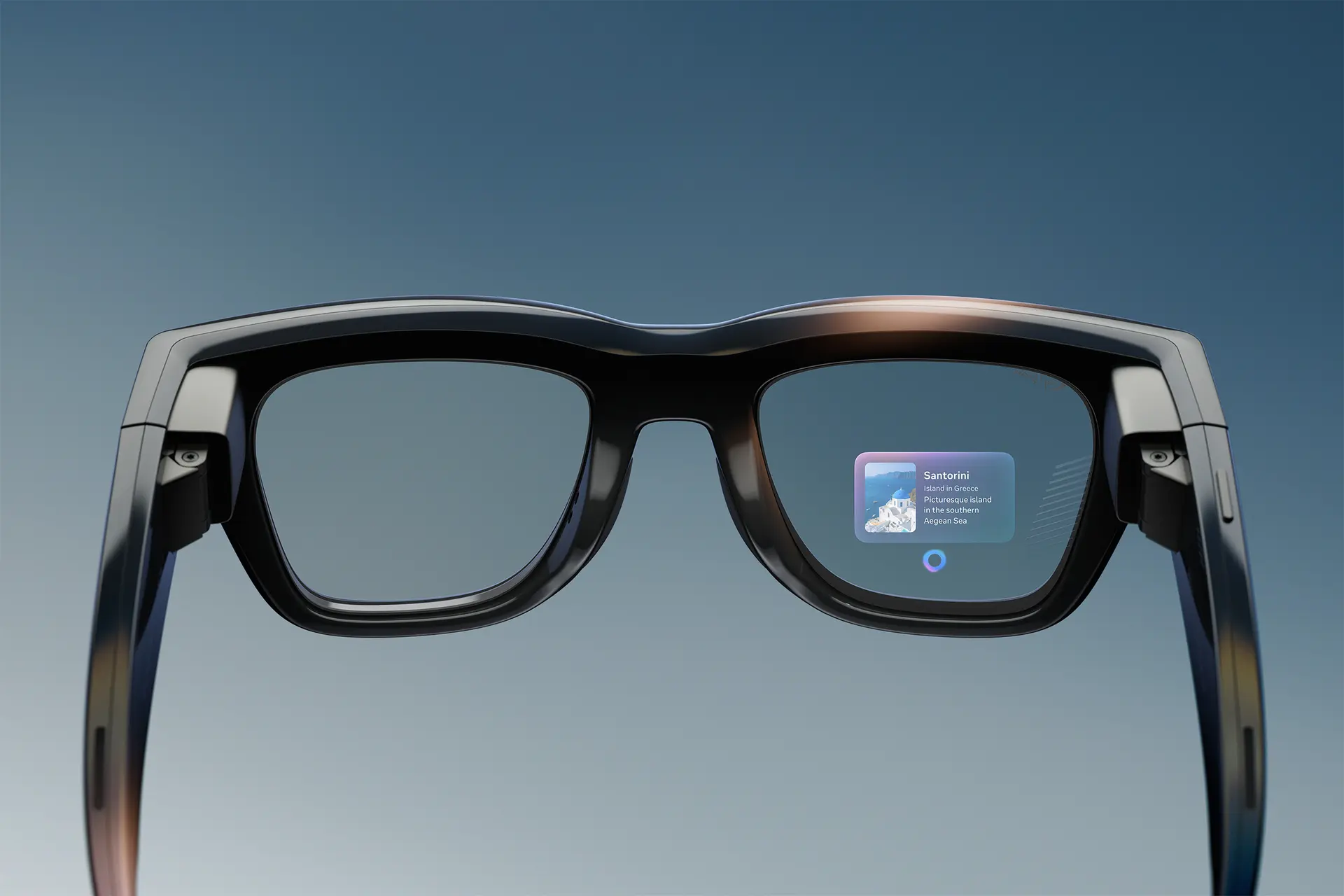
Neither release names a customer program, a unit volume, a price or a production start date. Grobman's own language points at demand that has not arrived yet rather than orders already booked: "We're building our manufacturing network around where we see the market going and what our customers will need as their programs move forward." That is capacity contracted against an expectation rather than against a purchase order.
Which is the ordinary sequence, and it is why component news is worth reading before keynote news. A part gets licensed. A second plant gets qualified. Two years later a product ships at a price that only works because both of those things happened quietly beforehand. This site made the same argument in July about the xMEMS solid-state fan, where the component was real and the production date was Q4 2027.
There is a second reading available, and it is less flattering. Geographic diversification is also what a supplier does when it is worried about a single point of failure, and pushing waveguide production into China at this particular moment is a decision with more than manufacturing in it. The release describes the agreement as "extending Lumus' global manufacturing footprint into China and adding to an already robust supply chain to keep pace with growing customer demand." Both things can be true.
The rest of the optics layer has been going the other direction. Magic Leap cut 193 jobs in July and repositioned itself as a waveguide supplier rather than a headset maker. TDK bought OQmented's laser display assets and declined to take on the warranties. Consolidation and insolvency. Lumus spent eight days adding names to a list.
Nobody shops for a waveguide. What reaches a shelf is a pair of glasses with a price on it, and a large share of that price is whether the optics can be produced by the million without a scrap pile behind the factory. Two agreements in eight days is Lumus arguing that they can. Crystal-Optech is showing the waveguides at CIOE in Shenzhen through September 11, which is a booth and not a shipment. The order, if there is one, will surface in somebody else's product launch.
Advertisement