
Buy Meta VR Glasses next spring without controllers and the Meta Horizon Store will sort itself differently for you. Hand-tracked apps go first.
SoftwareSeptember 24, 2026
Meta VR Glasses Owners Without Controllers Will See Hand-Tracked Apps First
By Nina Castillo
Staff Writer, VR.org
Advertisement
Meta put it in writing on Thursday, in a developer blog post published the day of its Connect developer keynote: "Customers who own controllers get recommendations from the full catalog. Customers who only use their hands see hand-tracked titles first, including titles that support both controllers and hands."
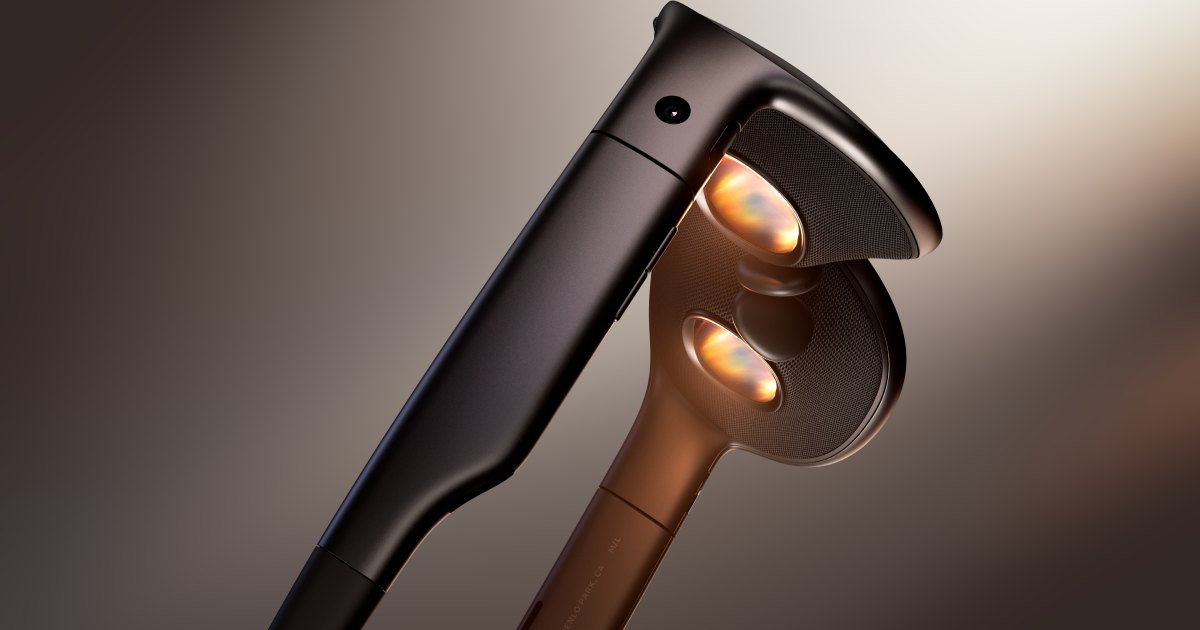
Most buyers, Meta expects, will be in that hands-only group. The $1,299.99 glasses run on eyes and hands, and Touch Plus controllers cost extra, as Alex covered on launch night. The post says so directly: "though Touch Plus controllers are supported, we expect most customers not to use them." Then it gives you five words to tape above your monitor. "Hands support affects your reach."
Nothing gets blocked. A controller-only game still ships, and Touch Plus owners still see it. Meta even concedes that "virtual locomotion or gun-based gameplay is often a better fit" for controllers. Everyone else just meets that game later.
In July, Apple published 74 pages on building Vision Pro controllers after two years of saying the headset did not need any. Meta is reaching the same spot from the other side. Every Quest since 2019 shipped with controllers. VR Glasses do not, and the Store now rewards apps that cope without them. Hands for the interface, controllers for the games that need them: both companies now describe that split.
Watch the edges
The second thing Meta says to plan for is field of view, meaning how much of the scene you can see at once. It shrinks to "roughly 70 by 66 degrees versus 110 by 96" on Quest 3. You get more resolution per eye in exchange, and sharper text.
Anything parked at the edge suffers. Meta's testing found "a few apps that occasionally place UI elements at the extreme edges of the field of view, making them harder to see for VR Glasses users." Health bar in a corner? Move it toward the center.
Speed is not the worry, by Meta's account. Existing apps "should run at parity or better than Quest 3," the post says. Nobody outside Meta can test that until spring.
What you can build on today
You do not need the hardware. VR Glasses share Quest's OS, Store and SDKs, and the v207 SDKs are out now. For Unity and Unreal, v207 adds a VR Glasses profile to Meta XR Simulator, which runs your app on a desktop with no headset. It can track your hands through a laptop camera. The Interaction SDK adds Gaze Interaction, and the rig switches between gaze and raycast (the laser-pointer ray a controller casts) by device. Android developers get new layout, gaze and UI kits, plus an Android Studio plugin that installs the templates and a simulator in one step.
The web path is the one with its source in the open. IWSDK, Meta's Immersive Web SDK, is MIT-licensed at facebook/immersive-web-sdk on GitHub. It hit 1.0.0 on npm Thursday morning, a year after its first 0.1.0, with gaze and pinch input and a VR Glasses emulator profile. (As of Thursday evening the npm latest tag still pointed at rc.2, so npm create @iwsdk@latest gives you the release candidate.) Its sidekick IWER, which fakes a headset inside a desktop browser, got a VR Glasses field-of-view profile in version 2.5.0. Finished web apps can ship to the Store as progressive web apps, websites that install like apps.
A good first afternoon is short. Update to v207 or scaffold a web project. Load the VR Glasses profile and look hard at your menus. Then put on a Quest 3, leave the controllers on the desk, and try to finish a whole session with your hands.
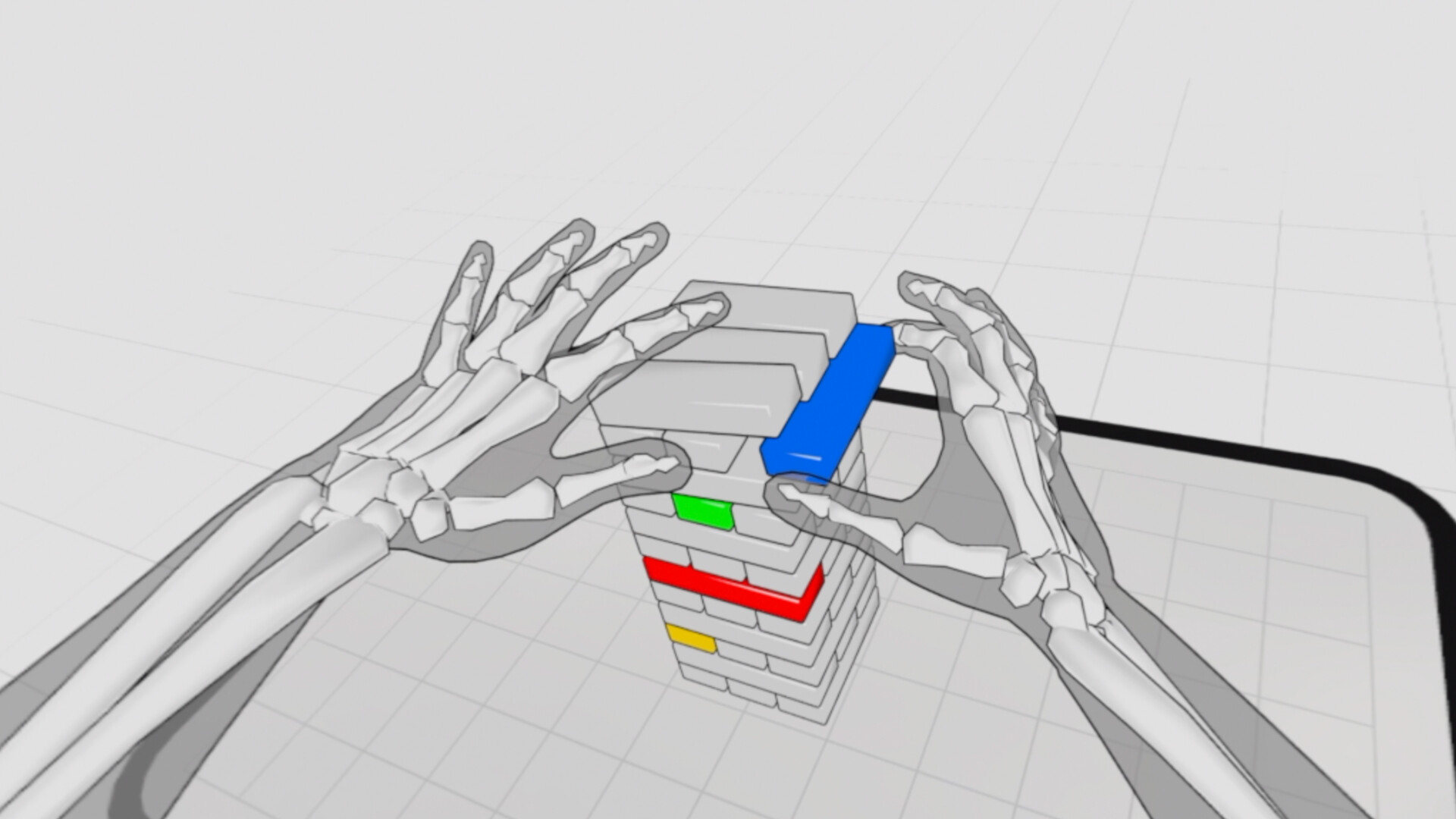
For a model, Meta points to Hand Physics Lab, which also has a Steam page up for PC. Holonautic's sandbox launched in April 2021 and has sold more than 1.3 million copies, according to Meta's case study. Its fix for dropped tracking is worth stealing. The virtual hand locks in place, then "will slowly lerp toward the real hand, but it will not automatically teleport into it." Lerp means linear interpolation, a smooth slide between two positions. Small choice. It keeps a tracking hiccup from looking like one.
$1 million for hands-first apps
The second Meta VR Start Developer Competition opened Thursday with $1 million in prizes, from $20,000 to $100,000 each, across entertainment, gaming and productivity tracks. One rule matters most: "Your experience must be fully usable with hands, end-to-end." Controllers are "welcome, but not required." Meta wants seated play and "something satisfying in 10 minutes or less."
It is open to members of Meta's Start program, so apply first if you are not one. Submissions close November 18, winners are named December 11, and the full rules are on Devpost. The glasses arrive in spring. Until then, a Quest 3 and a laptop will do.
Advertisement