
In April I wrote about Polyarc cutting its team, and I ended that piece with a line I meant as frustration rather than forecast: the studio behind Moss should not have to fight for survival, but here we are. On Friday the fight ended. Polyarc wound down active development after nearly twelve years.
GamingSeptember 13, 2026
Polyarc Shipped a Free Co-Op Update on September 3 and Said Goodbye on September 11
By Evan Marcus
Co-Founder, VR.org
Advertisement
The closure is not the part that has stayed with me. Closures are the water this industry swims in now. It is the eight days in front of it.
September 3, September 9, September 11
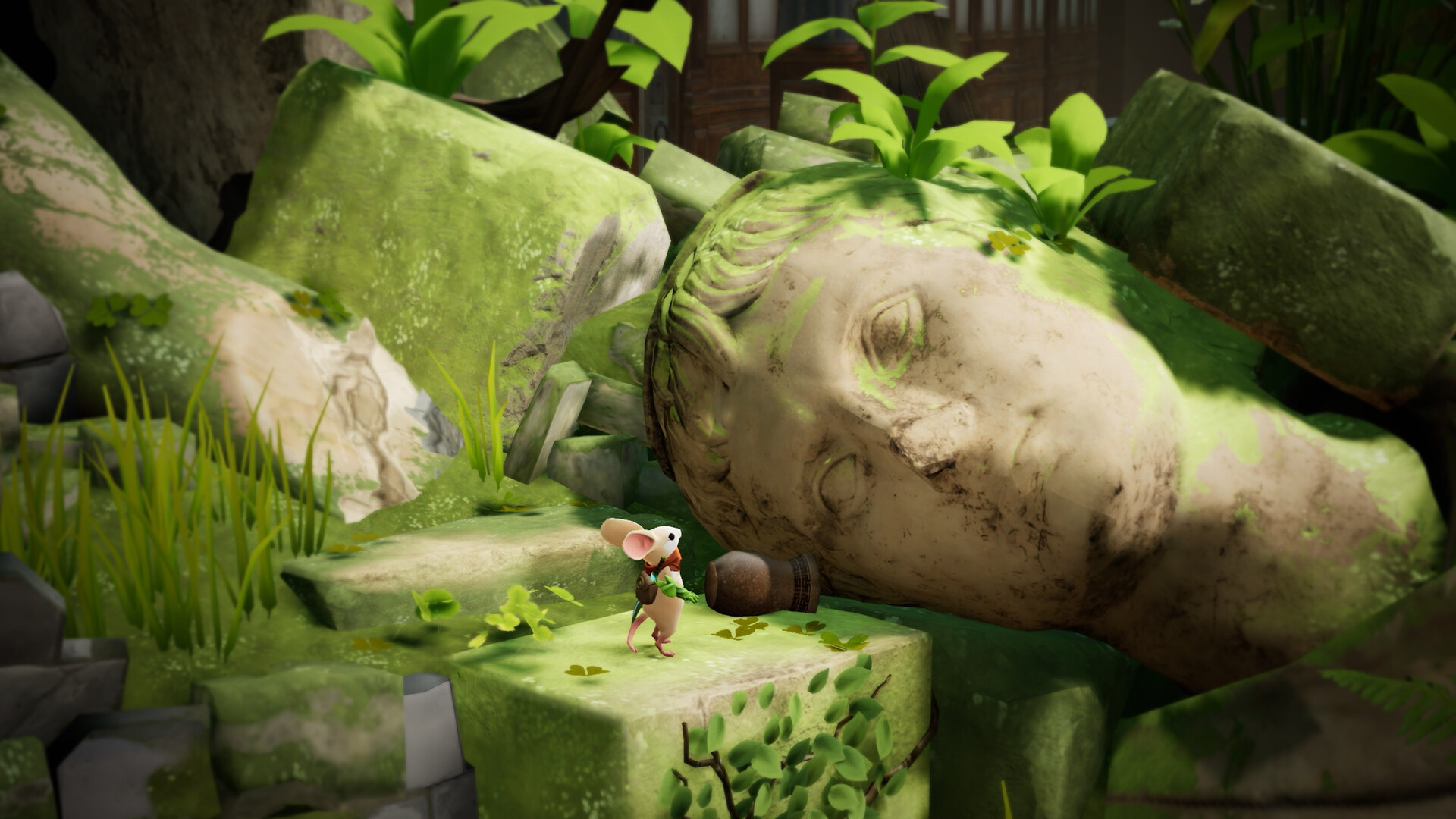
On September 3 the studio shipped the free Play Together Update for Moss: The Forgotten Relic, adding two player local couch co-op. One person controls Quill. The other becomes the Reader, moving obstacles and helping with puzzles, which is a lovely piece of design when you remember that the Reader is who you were in the VR games. Six days after that, on September 9, Polyarc's Bluesky account posted a link to a 20 percent discount on the same game. Two days later it was over.
That is not a team circling the drain in public. That is a team shipping.
The farewell went up on LinkedIn on September 11, and Gematsu quoted it in full. "After nearly 12 years riding the joyous rollercoaster of emotions that is making video games, our time together has come to an end," it reads. "As we wind down active development, we are saying our farewells to each other." Most of the rest of it is thanks, and a pointer to the people now looking for work.
What they actually made
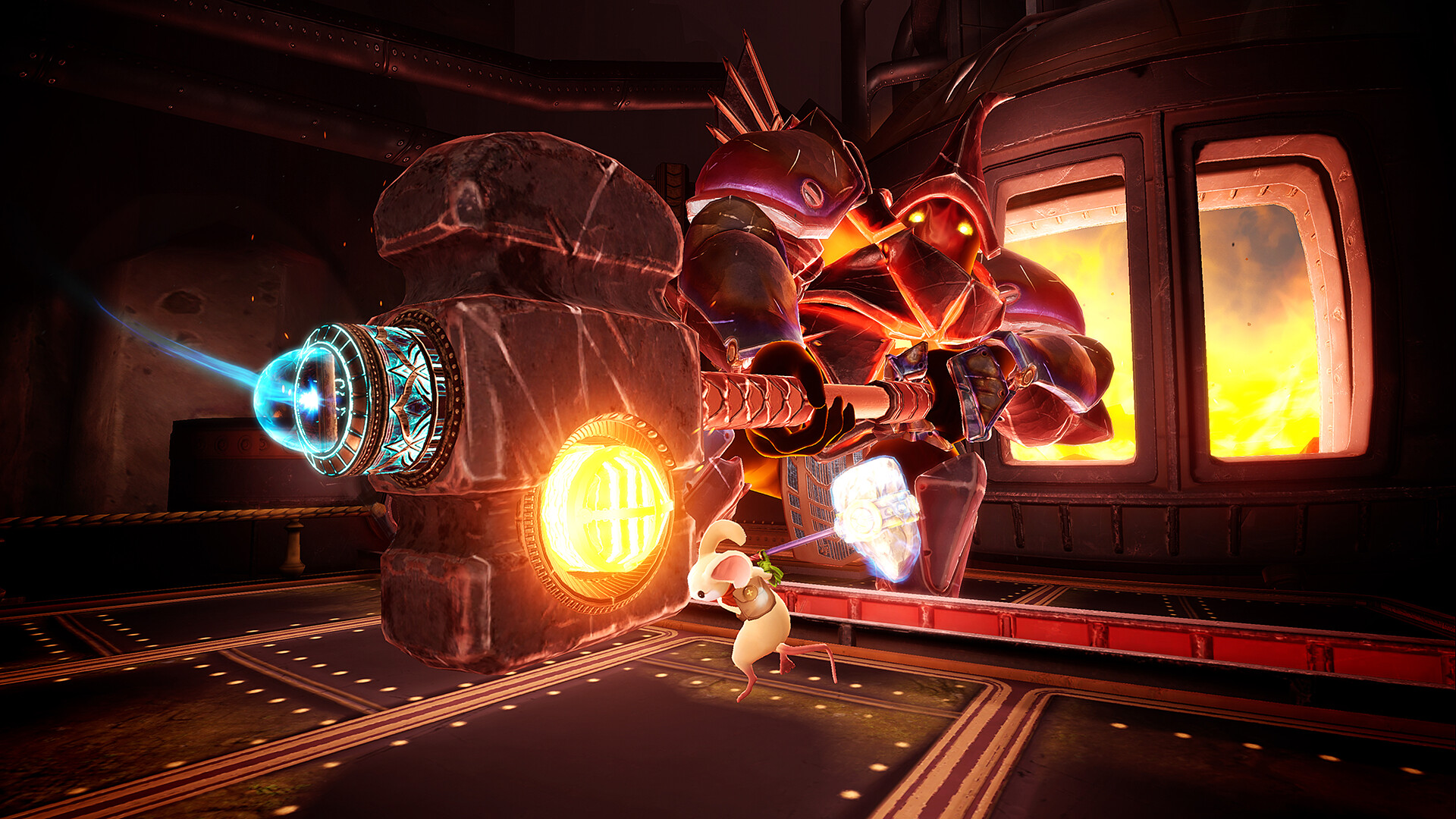
Moss reached Steam on June 7, 2018. It is still there at $19.99, carrying 3,443 user reviews, 3,278 of them positive, which Steam rounds to Overwhelmingly Positive. Moss: Book II followed on October 20, 2022 and holds the same standing across 778 reviews. Steam lists the pair as Moss VR and Moss II VR now, which tells you something about the year on its own. Those are not the numbers of a studio that got the work wrong. They are the numbers of a studio that made two of the best liked things in the medium and could not turn that into a company that survives.
So they tried the obvious thing, and I want to be fair about how hard they tried it. Moss: The Forgotten Relic folds Moss, Book II and the Twilight Garden DLC into a single adventure built for a screen and a controller instead of a headset, co-developed with Blackbird Interactive and published by Polyarc. Six days after announcing it, a developer post signed simply Danny went up to answer the question every VR player was already asking.
"Expanding to include platforms beyond VR is both a way for us to share Quill's story with more players and to help ensure we can keep making games for years to come," he wrote. And, a few lines down: "VR is an important part of Polyarc's story, and that hasn't changed."
Read that second sentence again with Friday in mind.
Advertisement
Two hundred thousand wishlists, three hundred and eighty one reviews
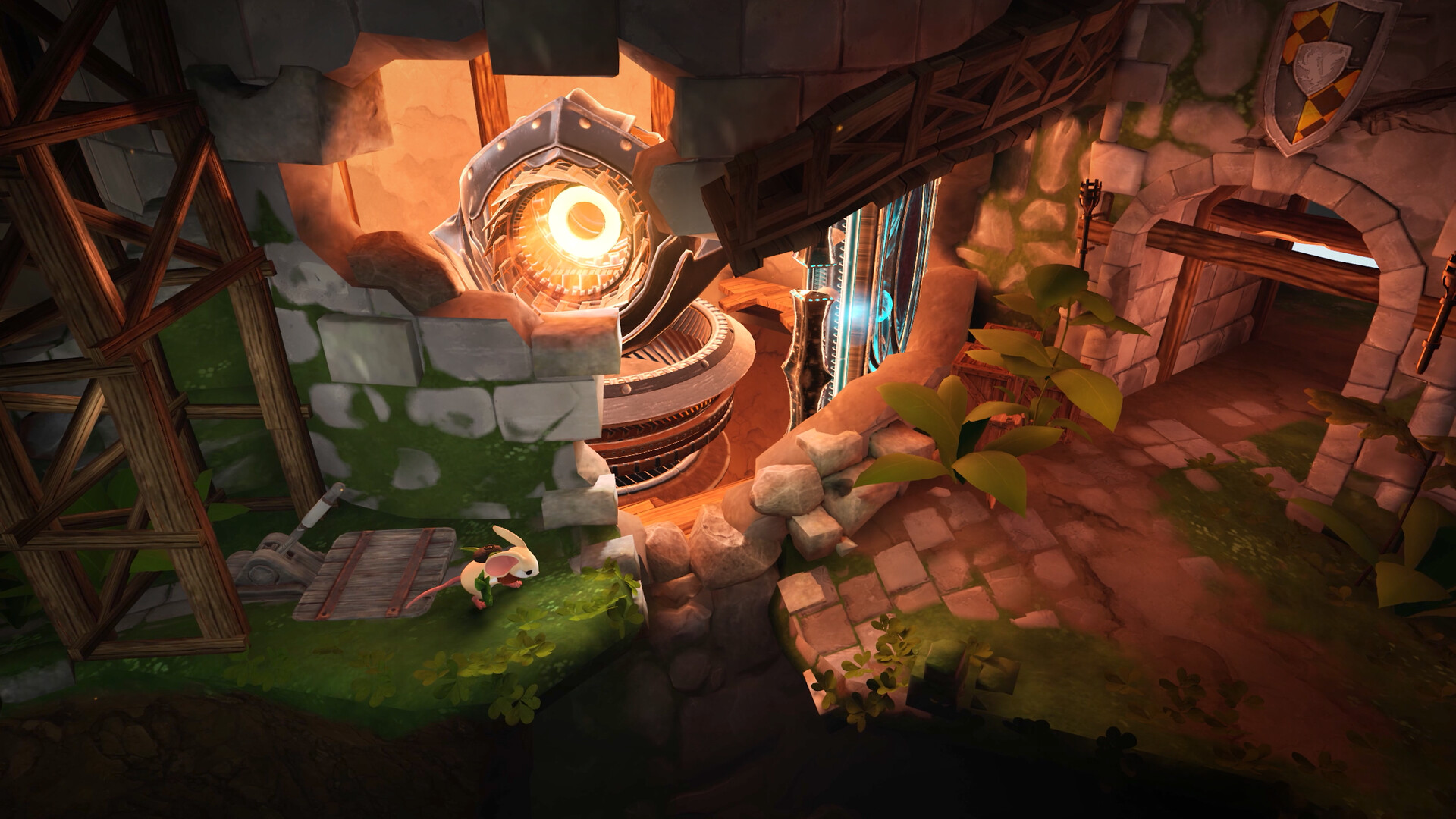
On July 2 the Relic passed 100,000 wishlists. On July 15, the day before it came out, Polyarc said it had surpassed 200,000. It launched July 16. Its Steam page today carries 381 user reviews, 351 of them positive.
I want to be careful here, because wishlists are not sales and reviews are not sales either, and the ratio of reviews to copies swings wildly by genre and price, so 381 does not tell me how many people bought this game and I am not going to pretend otherwise. What I can say is that 200,000 is a number a small studio plans a year against, and that whatever landed on the other side of July 16 was not enough to keep the lights on into the autumn. They pushed two hotfixes within two weeks of launch, joined a Wholesome Games celebration in August, and shipped a free co-op mode in September. That is a team behaving like a team with a future.
The one I keep coming back to is Glassbreakers
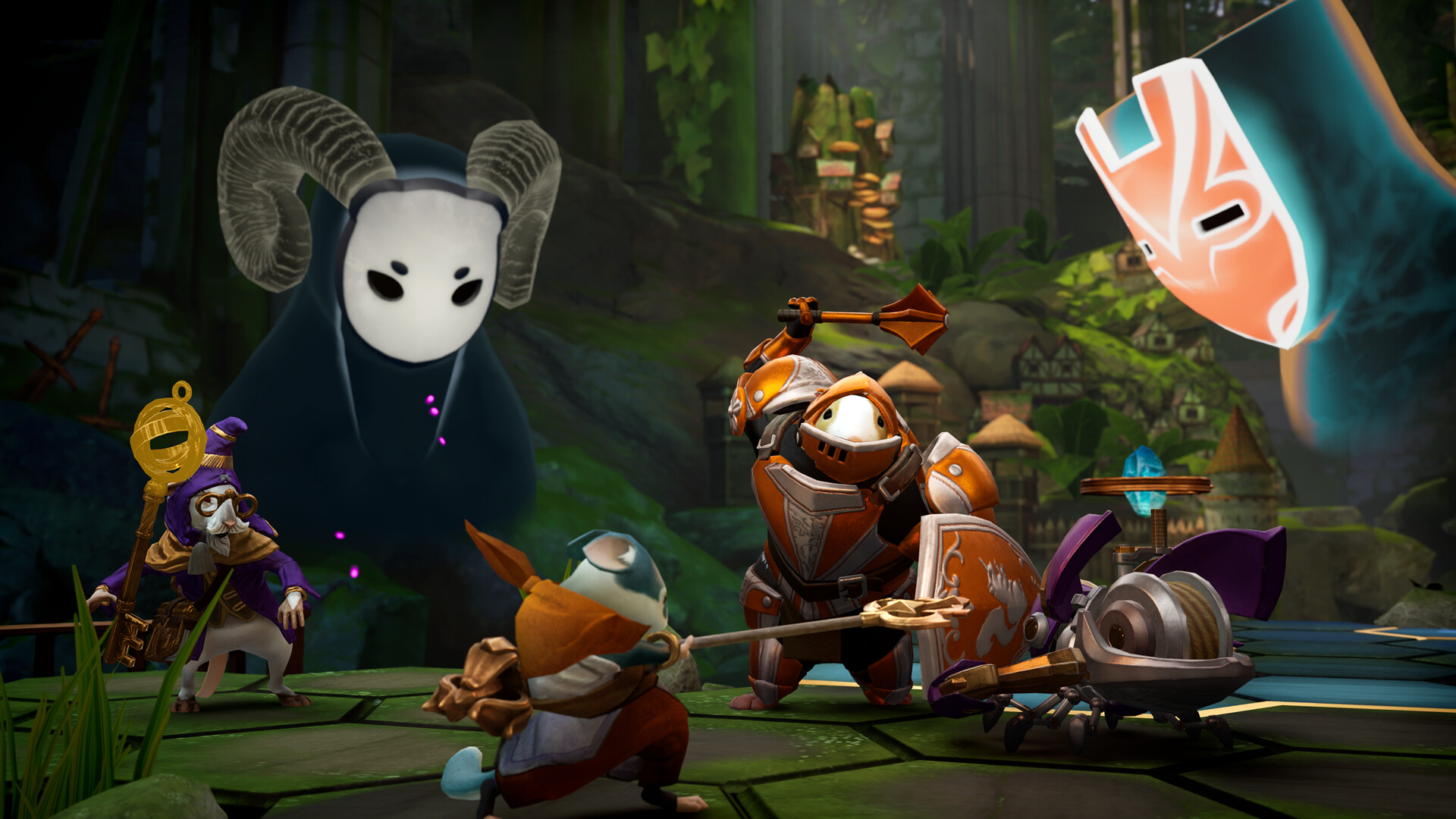
Glassbreakers: Champions of Moss arrived on Steam on November 13, 2025, alongside Meta and Apple Arcade releases Polyarc had announced for the same day. Squad against squad, real time, set in the world of Moss, and the Steam categories say what it is in a way the marketing never had to: VR Only, Online PvP, Online Co-op, Cross-Platform Multiplayer. The studio called it its most ambitious project yet.
It has 86 user reviews.
Eighty six. For the most ambitious project of a studio whose first game has three and a half thousand. The store page is still standing, still asking $19.99, and still listing ten paid add-ons you can put in a cart this morning. The newest announcement on its Steam news hub is dated March 11, when the team closed applications to its Vanguard community program and signed off with "we look forward to entering this new chapter together."
Whether those servers keep running is the question that matters to anyone who bought in. In July, writing about Triangle Factory switching off Hyper Dash, I argued that shipping an online VR game takes on an obligation you cannot fully discharge by shipping. That was a comfortable thing to say about a studio that was still around to hear it.
Not a referendum
Somebody is going to file this under VR is dying and I would rather they did not, because the shape of Polyarc's last two years does not support it. They made a beloved single player VR series and could not scale it. They built a competitive live game in VR and it found 86 reviewers. They rebuilt the single player games for an audience a hundred times larger and that did not save them either. Those are different bets with different failure modes, and hanging all of them on the headset is the lazy read.
The honest read is narrower and worse. A studio can do excellent work, get excellent word of mouth, correctly diagnose its own market problem, execute the fix competently and on schedule, and still not make it. That is the year A Township Tale went offline in and the year Schell Games ran its first layoffs in, and Polyarc is the name I did not expect to be adding to it in September.
All four games are still for sale as I write this. If you have been meaning to play any of them, I would do it now rather than at Christmas, because a store page is the easiest thing in the world for somebody to take down.
The last thing this studio put into the world was a mode so that a second person could sit on the couch and help the mouse get through. Eight days later they were writing goodbyes to each other. I do not have a tidy point to make about that. It is just a rotten order for those two things to happen in.
Advertisement