
Around 14 people lost their jobs at Schell Games on Friday, August 21. The Pittsburgh studio has been shipping games since 2002. It had never laid anyone off before.
EnterpriseAugust 27, 2026
"We Don't Put Jobs at Risk": Schell Games Just Had the First Layoffs in Its History
By Alex Reeves
Staff Writer, VR.org
Advertisement

The number is not official. Game Developer's Diego Argüello assembled it on August 25 by reading the LinkedIn posts employees published over the weekend, and the site says it contacted Schell Games for clarification. The studio has issued no public statement. Fourteen is a reasonable floor, not a confirmed headcount.
What the posts do establish is the spread. Marketing, art, design, and visual effects were all hit. Marketing director Dwayne Waite Jr confirmed the cuts reached his team and named four people. A senior public relations manager, nearly six years in, named more and added a line that says most of what needs saying about the current market: "I won't pretend this isn't a disappointing way to end this chapter."
A principal engineering manager who kept his job wrote the sentence that traveled furthest. "This has happened not because of anything you did or did not do. Our industry (and beyond) right now is hemorrhaging."
The studio that wrote the essay about not doing this
A cut of this size at a mid-size developer would not normally carry a thesis. This one does. Jesse Schell spent the better part of a decade as the founder other founders cited when they argued that job cuts are a choice rather than weather, and he made that case at length to GamesIndustry.biz in 2024 in a piece filed under the title Life without layoffs.
At the heart of it all is choosing not to put jobs at risk. We'll put cash at risk when we make a game, but we don't put jobs at risk. Even if our own IP brings in zero dollars, we still haven't put any jobs at risk. We still have a path forward where we'll be able to keep people on. So, in a lot of ways, it's a choice.
Schell's argument was structural. Keep a services and contract business running alongside original IP, and the contract work absorbs the risk that would otherwise land on people. Education clients, museums, location-based entertainment, corporate training. When an original game underperforms, the studio has somewhere to put the team. That model held for more than two decades and through at least two VR winters, which is not nothing. The company has not said which side of it stopped working.
Advertisement
What Schell Games built in VR
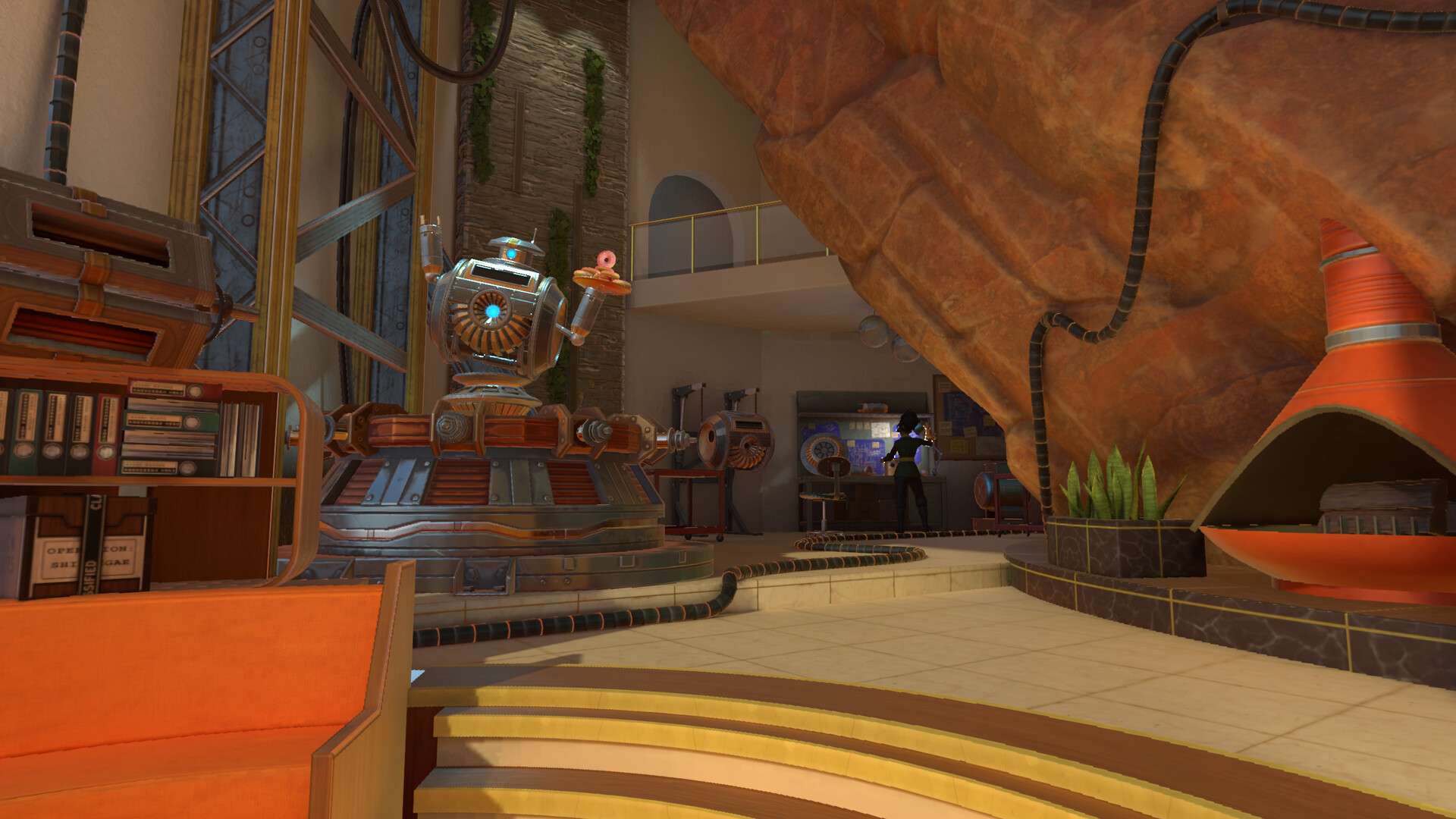
I Expect You To Die arrived in April 2017, back when a lot of VR "games" were tech demos with a price tag. It was a real one. Fixed seated position, no locomotion problem to solve, puzzles designed around the fact that your hands are the interface. The sequel followed in August 2021 and Cog in the Machine in September 2023.
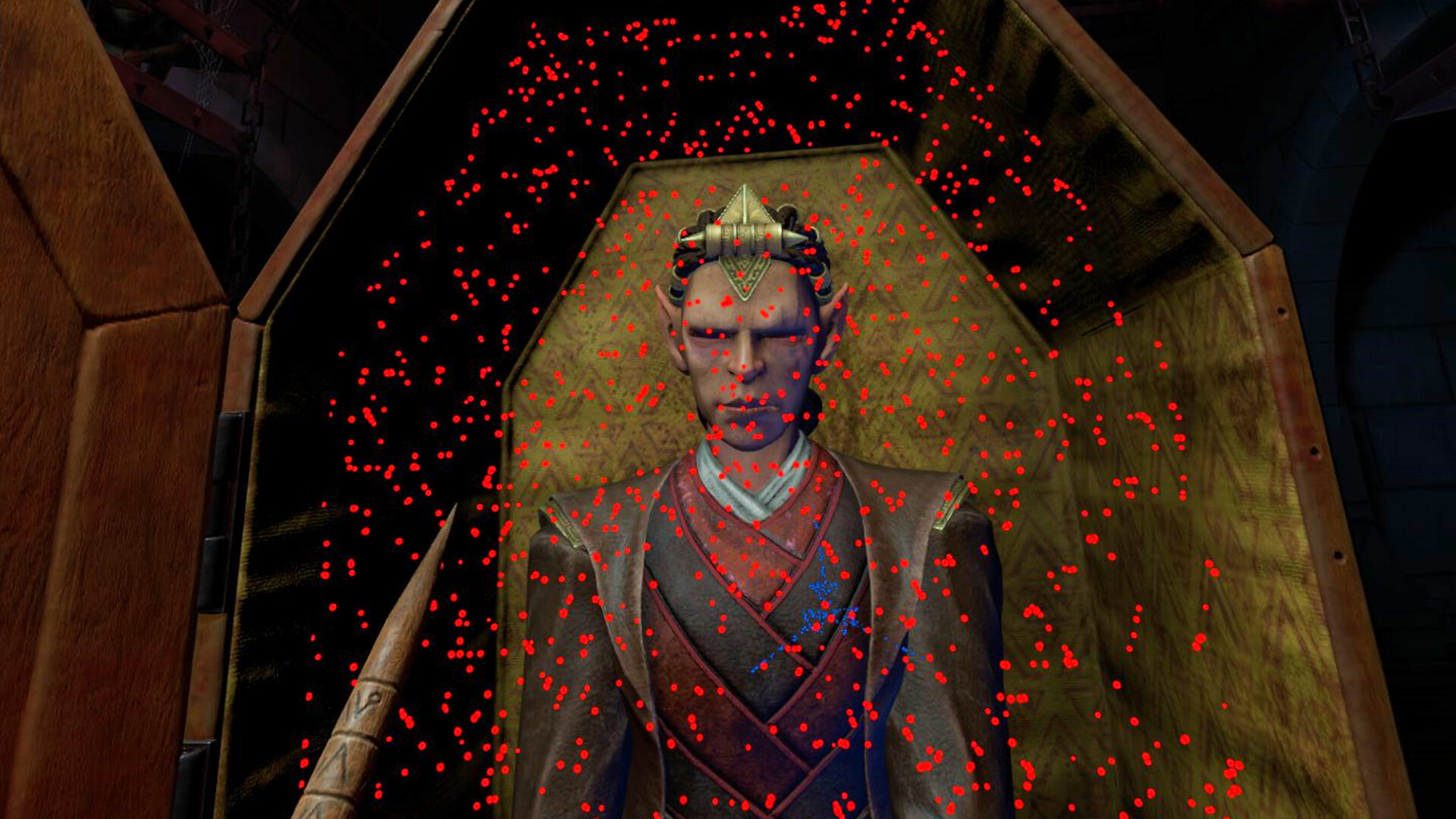
Then Silent Slayer: Vault of the Vampire in October 2024, a game whose entire design is holding perfectly still while a sleeping vampire almost wakes up. It is the kind of idea that only works in a headset, and only works if the hand tracking is good.
The studio's biggest audience came from elsewhere. Among Us VR launched in November 2022, got a flatscreen version, and was renamed Among Us 3D, with Innersloth publishing throughout. Project Freefall, a free-to-play skydiving brawl that shipped in October 2025, is the one still in the market. Alongside all of it, the non-games work continued: museum installations, training, classroom XR.
The 2026 column keeps getting longer
Schell joins a list VR.org has been maintaining all year without wanting to. Polyarc cut staff in April. Survios collapsed outright in May. By late July the count of studios that had shut a game, a division, or the whole company was into double digits. UploadVR's tally for 2026 also includes Mighty Coconut, Kluge Interactive, and nDreams.
Every one of those had a different proximate cause. Platform funding drying up, a publisher walking, a game underperforming, an acquisition going sideways. The common factor is that VR-native studios are operating with almost no margin for a miss, in a market where Meta has cut its own first-party output and no third platform has yet arrived at consumer scale. Schell Games was the counterexample. It had the diversified revenue everyone recommends. It got here anyway.
Whether the games keep coming is a separate question from whether the people who made them are still employed, and only the second one has been answered this week.
What this means if you own the games
Nothing immediate. The I Expect You To Die trilogy and Silent Slayer remain on sale on Steam and Quest, and cuts to marketing, art, design, and VFX are cuts to future production rather than to live service. Schell Games has not announced a closure, a cancellation, or a change to any shipped title.
What it should change is your expectations about pace. A studio that just removed a chunk of its art and design capacity is not about to announce three new VR titles. If you have been waiting for a fourth I Expect You To Die, wait more patiently. And if Schell Games does put out a statement in the next week, it is worth reading closely, because the company that spent a decade explaining how to avoid this has better reasons than most to explain what changed.
Advertisement