
Ray-Ban Meta (Gen 3) went on sale in India on October 1 at 44,300 rupees. Meta's India newsroom post sets that as the entry price across 27 color and lens combinations in the Aviator, Zena and Wayfarer styles.
ArOctober 2, 2026
Gen 3 Costs 44,300 Rupees in India, 14,400 More Than Meta's First Pair
By Alex Reeves
Staff Writer, VR.org
Advertisement
It is the third price Meta has set for camera glasses in India in sixteen months.
The first pair went on sale there on May 19, 2025, starting at 29,900 rupees. Gen 2 followed on December 1, 2025, at 39,900, per Meta's own announcement. Gen 3 is 44,300. That is 14,400 rupees more than the first pair, a 48 percent climb in local currency.
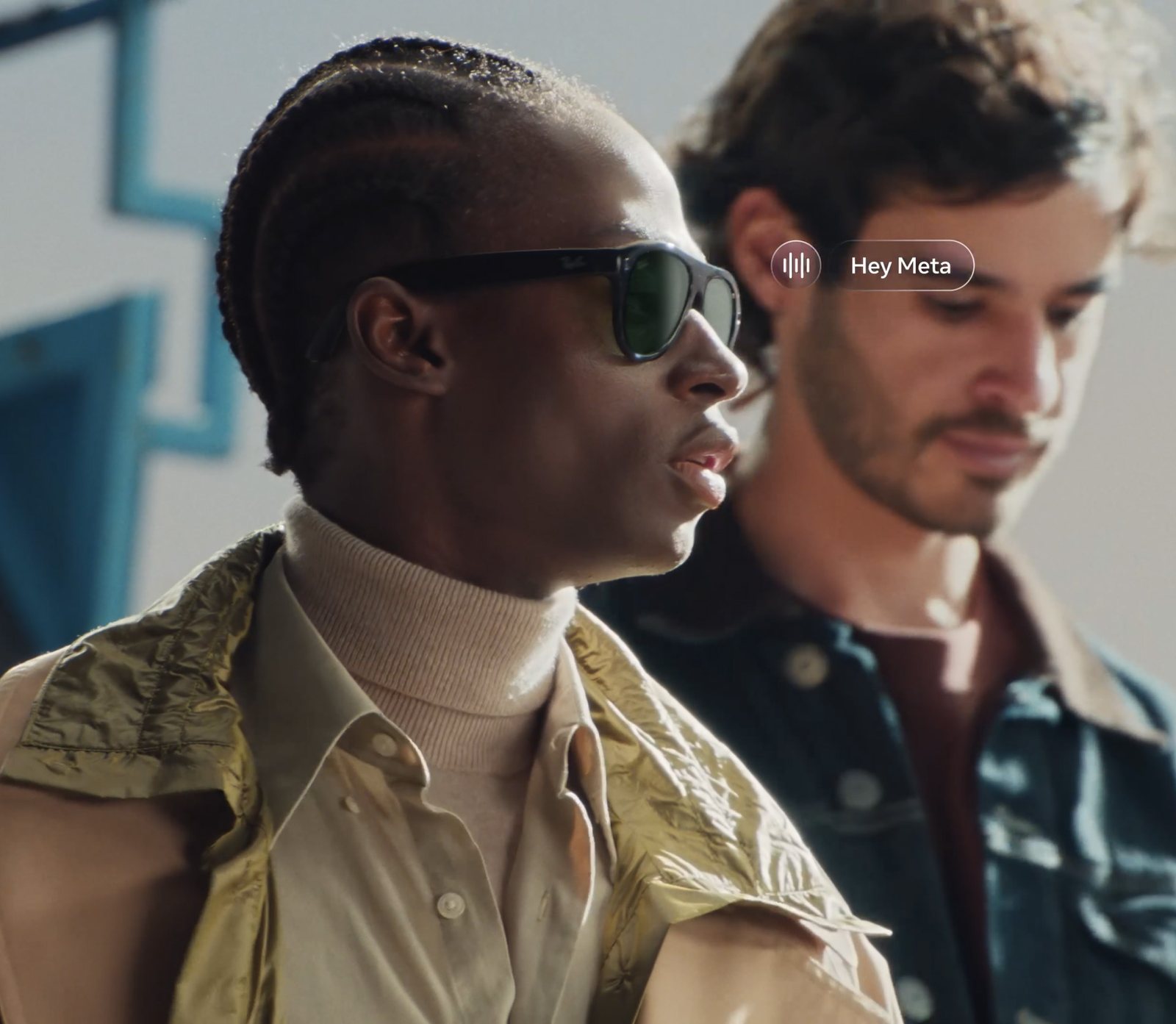
The currency did a third of it
Dollars flatten the curve. The European Central Bank publishes daily euro reference rates for both currencies, and dividing one by the other puts the dollar at 85.44 rupees on the Gen 1 launch date, 89.54 on the Gen 2 date, and 96.32 today. Convert each launch price at the rate on its own launch date and the entry glasses cost roughly $350, then $446, then $460.
So the dollar figure rose 31 percent while the rupee figure rose 48. The dollar gained about 13 percent on the rupee across the same sixteen months. Meta raised the price. The exchange rate did the rest.
The American sticker is $449, set at Connect last month, when Meta split the glasses into three capability tiers. At today's rate the two prices are within about $11 of each other. They are not strictly comparable, because an Indian retail price is normally quoted with GST already in it and a US one is quoted before sales tax, which pushes the real gap further in the American buyer's favor.
What the money buys
Gen 3 is slimmer than Gen 2 and rated for up to nine hours. Gen 2 was rated for eight. The camera is 12 MP. Video tops out at 3K Ultra HD. A six-microphone array cuts what Meta describes as more than 90 percent of background noise. There is a customizable action button that calls Meta AI directly, and temple tips an optician can bend to fit. A limited-edition Aviator marks the frame's 90th anniversary.
An hour of battery, a button and better microphones. That is the upgrade over the pair Meta was selling in India ten months ago.
Muse is not in the box
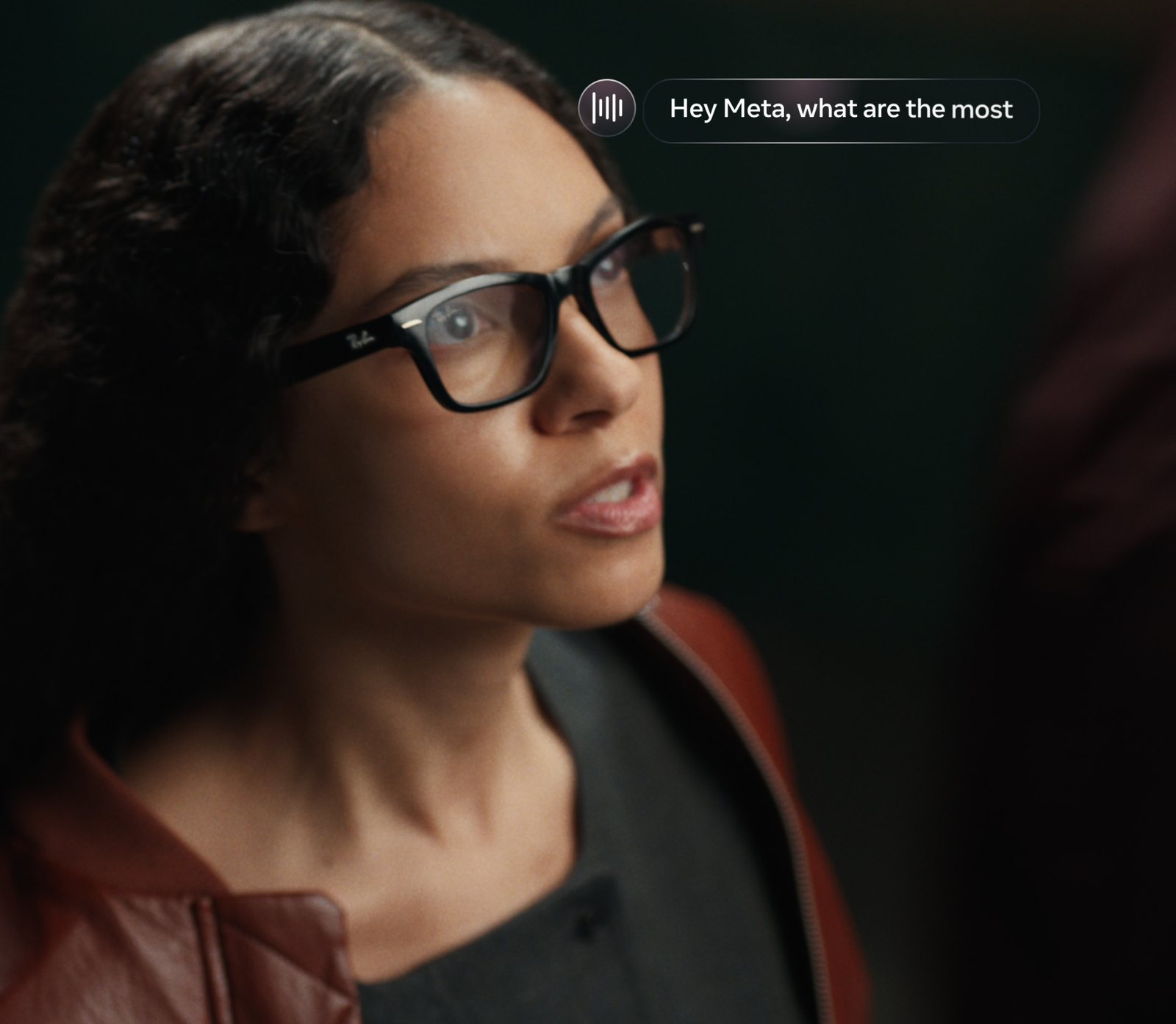
Meta's India post says Muse is coming to its AI glasses in "the coming months." It describes the agent responding to whatever the wearer is looking at, a product or a flyer or a list, without being told what the scene contains. No date is attached. Muse is also the feature carrying the heaviest terms: VR.org read the supplemental terms covering agent purchases and found the user bearing all risk of financial loss, with Meta's liability capped at the greater of $250 or twelve months of what the user paid Meta.
Ray-Ban Meta Audio, the 43-gram pair with no camera and up to twelve hours on a charge, is listed as coming soon to India. Meta named a brand ambassador for the range before it named a price for that one.
The buyer deciding this week is therefore choosing between a finished product and a deposit. For 44,300 rupees the glasses do, on day one, roughly what the 39,900-rupee pair did last December, with an extra hour of battery and a better microphone array. Everything Meta spent the announcement talking about arrives later, on a schedule the company has not published.
Advertisement