
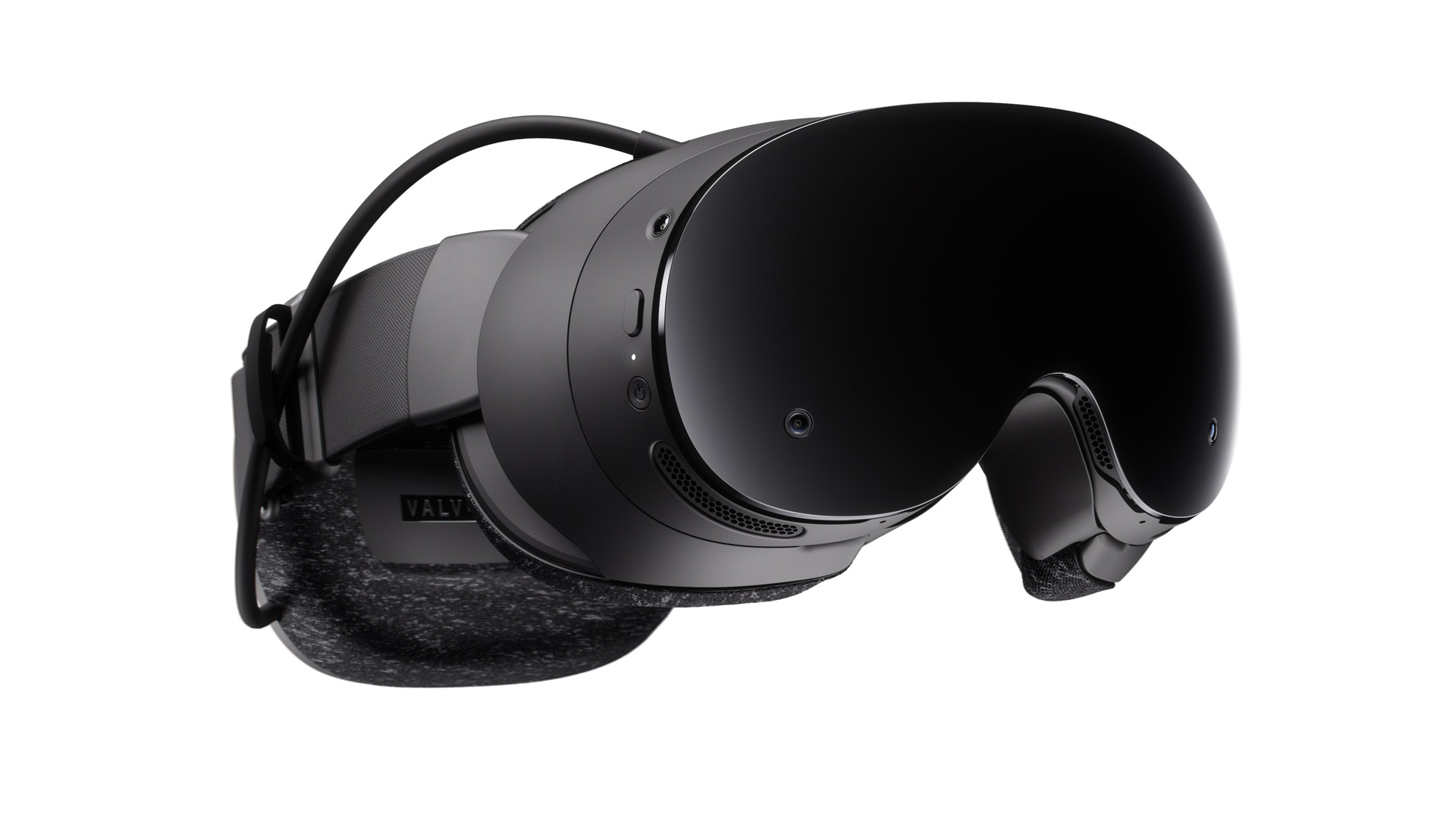
Almost every standalone headset that streams PC VR does it by joining the network you already have, which means the quality of the experience is decided by a router you bought for reasons that had nothing to do with VR. Valve went the other way with Steam Frame. The headset brings its own link, and SteamOS 3.8.25 Beta, which landed on the beta and preview channels on August 7, is the first public sign of the other end of that link being wired up in Valve's own operating system.
HardwareAugust 13, 2026
Why Does Steam Frame's Wireless Adapter Need a SteamOS Driver?
By Jordan Kuo
Staff Writer, VR.org
Advertisement
The changelog entry is one line long: "Preliminary support for the Steam Frame Wireless Adapter." It sits in the General section of the same update that moved SteamOS to Linux kernel 6.18.42, added the 2026 Steam Controller to the built-in hid_steam driver so the pad works with native applications when Steam is not running, and fixed a handful of HDMI hotplug lockups in Desktop Mode. Housekeeping, mostly. The adapter line is not housekeeping.
The link Valve actually built
Steam Frame carries two separate wireless radios, and understanding why matters more than the headline spec does. One radio behaves like any other client, connecting to your home network on 2.4GHz or 5GHz so SteamOS can reach the internet for updates, downloads and everything else an operating system needs. The second radio does something headsets do not usually do: it stands up its own 6GHz Wi-Fi 6E hotspot, and the USB adapter that ships in the box is what your PC uses to join it.
That inverts the normal arrangement. The headset is the access point. Your gaming PC is the client. Because both ends of that connection are hardware Valve controls, the company gets firmware-level authority over the whole network stack rather than negotiating with whatever the ISP left in the hallway closet, and it can pair the link with foveated streaming, encoding the video at higher resolution wherever the headset's eye tracking says you are currently looking.
Valve told UploadVR at the November announcement that enthusiasts with a good dedicated access point could skip the adapter and stream over their own gear, while adding that it suspected they would not want to. That is a confident thing to say about a dongle.
Advertisement
Why an operating system needs to know about a PC-side dongle
Here is the part worth sitting with. The adapter plugs into the host machine, not the headset, so on the face of it a Windows driver is all it needs. Except Valve no longer sells only headsets and handhelds. The Steam Machine shipped on June 30 at $1,049, it runs SteamOS, and it is a plausible living room host for a Frame. Steam Deck runs SteamOS too. For either of those to drive a Steam Frame over the dedicated link, the adapter needs a driver sitting in the SteamOS image itself, which is exactly what a line in a SteamOS changelog describes.
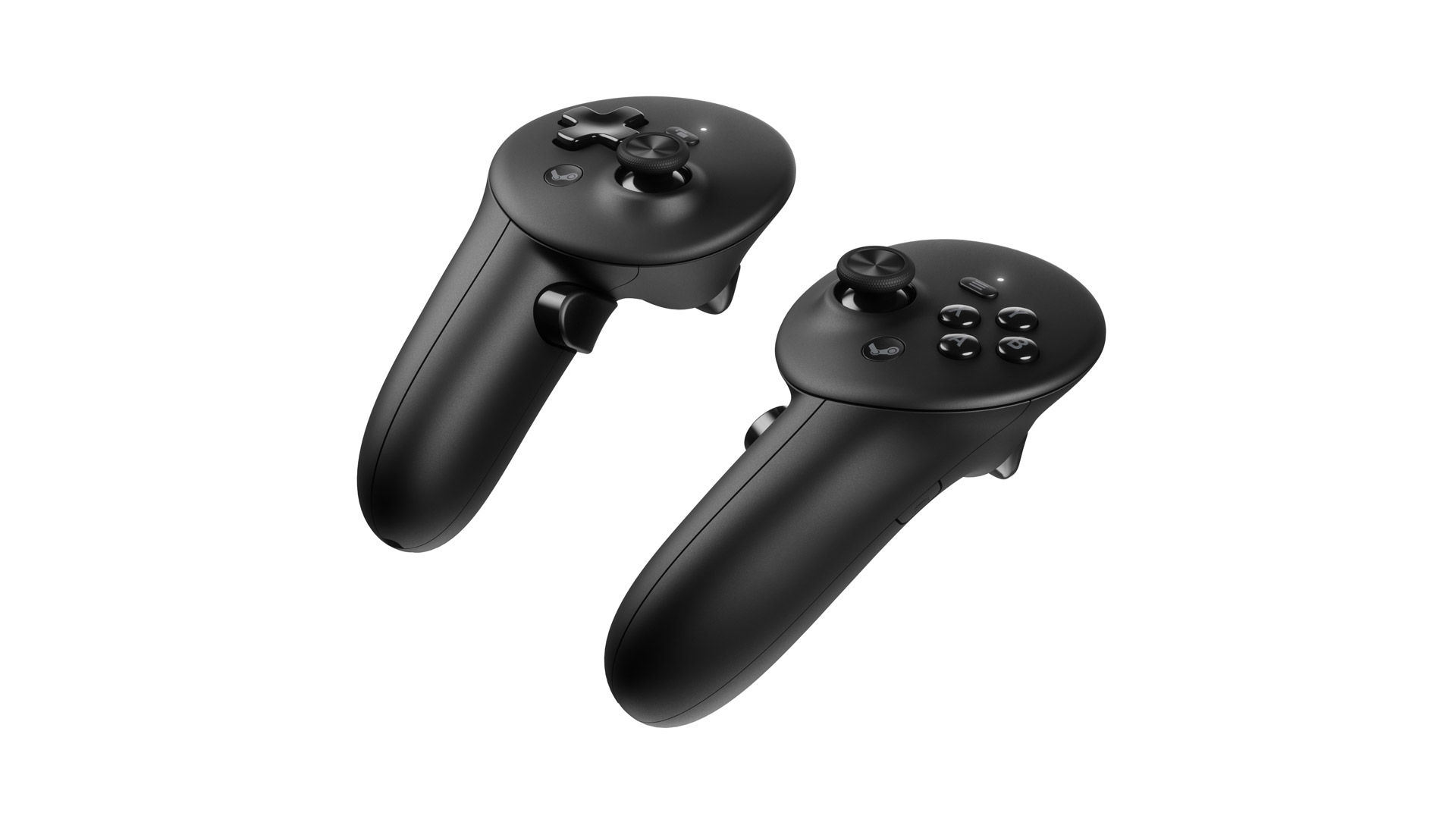
Read next to what Valve said in November, it lines up. The company told press that you would "eventually" be able to wake a Steam Machine from a Steam Frame with no display or peripherals attached, grab the headset, and drop straight into PC VR. It could not commit to that being ready at launch. A preliminary adapter driver in the shipping OS is the sort of groundwork that has to exist before any of that is possible, and the word "preliminary" is doing real work in that sentence. This is enablement, not a finished feature anyone has demonstrated.
For developers the practical consequence is about test matrices rather than magic. Steam Frame runs an ARM build of SteamOS and leans on Proton plus FEX for x86 translation when a title cannot be built for ARM, which means a game can reach a Frame owner in at least three meaningfully different ways: natively as an ARM build, standalone through translation, or streamed from a host. That third path now has two host operating systems worth thinking about instead of one, and the SteamOS side is the one where Valve controls both ends and can therefore change the performance characteristics under you.
On the timing question
The obvious inference is being drawn everywhere this week, so it is worth stating plainly and then bounding. Valve added initial Steam Machine support to the SteamOS beta roughly three weeks before that machine started shipping. If the pattern holds for the headset, late August is the arithmetic.
One precedent is not a schedule. This publication has called a Steam Frame launch imminent more than once and owned that record on July 30, when the FCC grant of equipment authorization arrived as the first signal in the run that carried actual legal weight rather than inference. A driver landing in a beta channel is closer to the inference end of that range. It tells you the software is being readied. It does not tell you a date, and Valve has not given one.
What has changed since spring is the shape of the readiness rather than the volume of the rumours. The Great on Frame certification catalogue has been filling out, Valve relaxed the Frame Verified frame rate floor to 72fps, the translation layers went public, and now the host-side plumbing for the dedicated wireless link is in the operating system. Those are the pieces you would expect a company to finish in roughly that order.
Advertisement