
Two numbers ran this week and they moved in opposite directions. Valve's certification list for Steam Frame climbed to 98 titles. Pico went from a launch event on September 2 to no date at all. Almost everything between August 22 and today sat somewhere in the gap between those, which is the usual shape of this industry: one platform quietly stacking up momentum while another one blinks.
XrAugust 28, 2026
This Week in VR: Steam Frame's Certified List Hit 98, and Pico Cancelled Its Own Party
By Evan Marcus
Co-Founder, VR.org
Advertisement
Eight titles in July. Ninety-eight now.
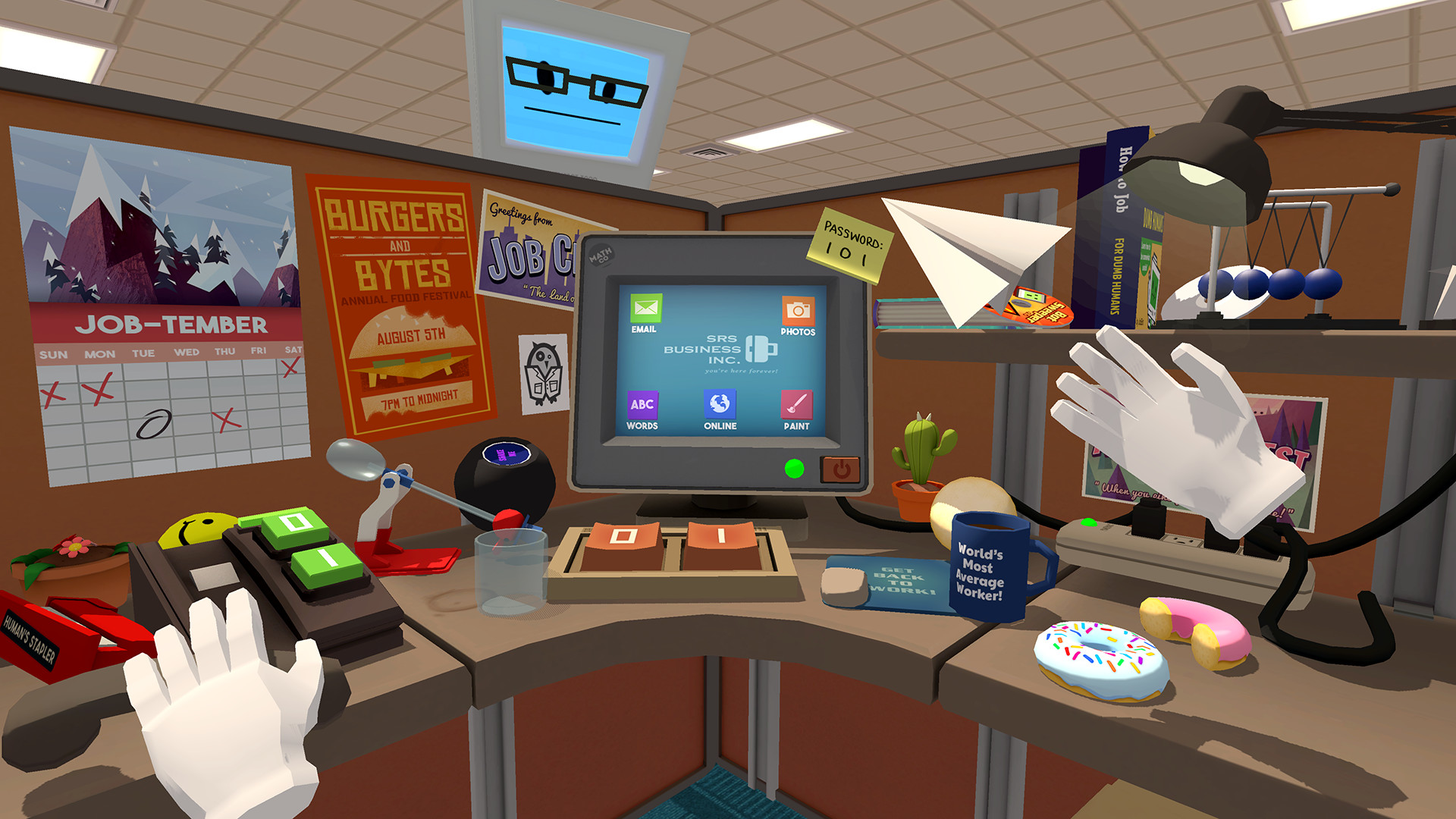
Valve's Great on Frame page listed 98 certified titles Thursday morning, up from eight on July 17. Nina counted them herself with Steam's frame_compatibility filter instead of waiting on somebody else's tracker, which is the right instinct and a habit worth stealing. The names are the part that got me. Beat Saber. Job Simulator. Pistol Whip, Red Matter 2, Moss II, the entire I Expect You To Die trilogy, and Walkabout Mini Golf, which has hundreds of my hours in it and is going to get hundreds more. That is not a launch list padded out with tech demos. That is the canon.
Nina also found the asterisk, and it is a real one. Valve dropped the certification threshold from 90fps to 72fps in August, so part of that curve is developers doing work and part of it is the bar coming down to meet the games. Both are legitimate. They are not the same thing, and anyone reading "98 certified" as a promise about how a game will feel deserves to know which is which.
Pico cancelled the party it had announced eight days earlier
Last Friday I wrote that scheduling the Space Pro debut three weeks ahead of Connect said something about how much Pico wanted the comparison. It said something. Not that.
The September 2 Beijing event is off, pulled nine days out, and Space Pro now arrives sometime in Q4. Pico points at a software upgrade that needs more time. Alex has the rest, including how the price, the launch regions and that unconfirmed 270-gram figure all slide along with it. Killing your own launch event nine days before the doors open is not a calendar problem. Somebody looked at a build and said no.
"We don't put jobs at risk"
Around 14 people lost their jobs at Schell Games on August 21. The Pittsburgh studio has been shipping since 2002 and had never laid anyone off before, and for years Jesse Schell was the founder other founders quoted when they wanted to argue that cuts are a decision rather than weather. Alex went back through what Schell actually told GamesIndustry.biz in 2024. Even the headcount is unofficial: Game Developer assembled it from the LinkedIn posts employees wrote over the weekend, because the studio itself has said nothing at all.
I do not think Schell was lying two years ago. I think he meant every word of it, built a company around it for two decades, and then ran into a market that did not care what he believed. Which is worse.
Supernatural has 102 days
I said my piece on this one earlier in the week, including the part where I quit VR fitness in month four, so the December 3 shutdown is not aimed at me. It is aimed at the people who did not quit, and it turns out there are enough of them to restart a company. Chris Milk and Aaron Koblin took the product back from Meta, all six coaches came along, and 15 people are now rebuilding what nearly 200 used to run. Founding membership costs $180. Favorites are already confirmed gone, and head of fitness Leanne Pedante could not promise that workout history and streaks survive the move. Watching a small team have to ask for $180 up front while that question is still open is genuinely uncomfortable, and I do not have a better idea for how they should have done it.
Advertisement
The GTA San Andreas VR port turned up. Meta did not build it.
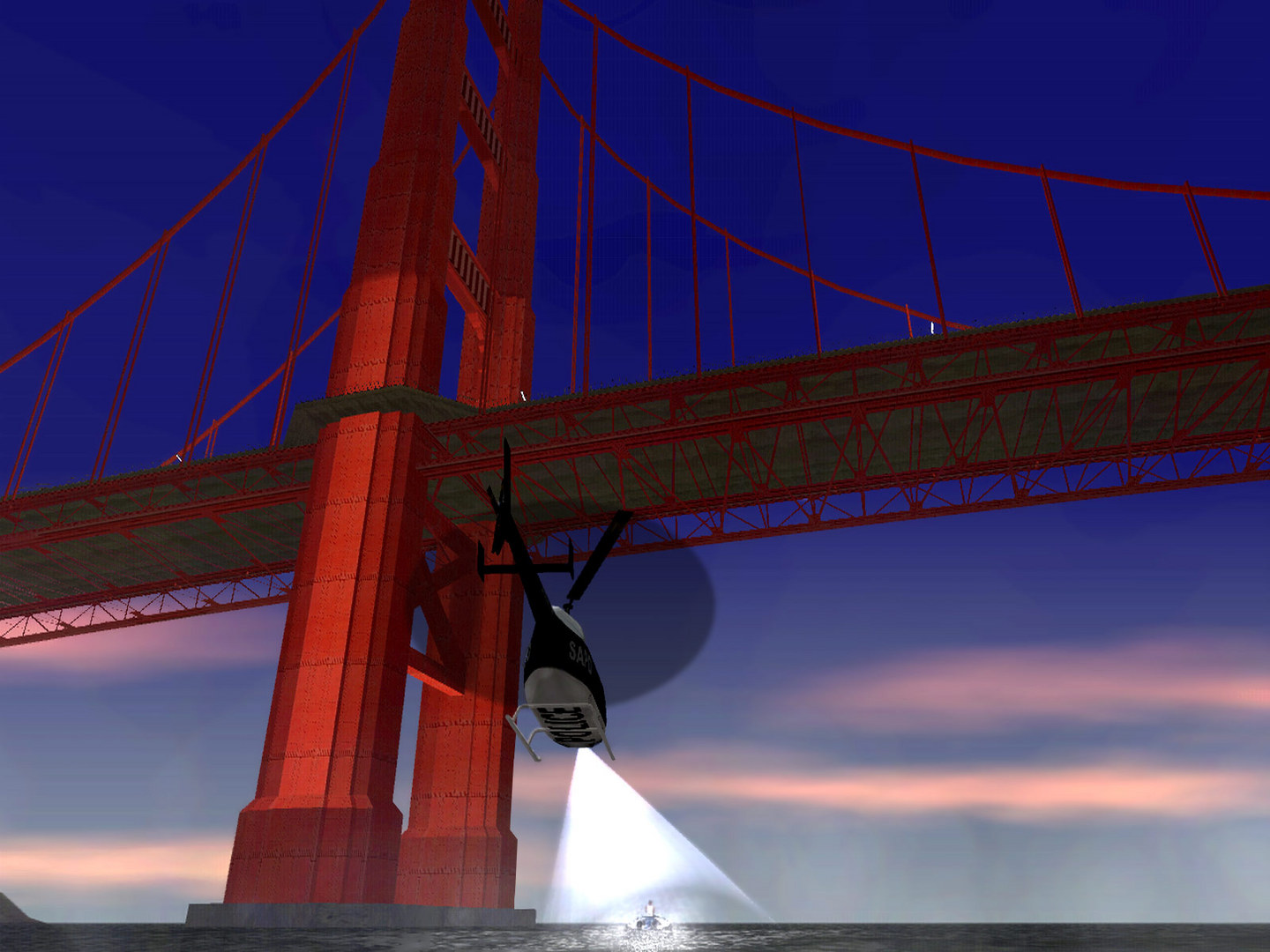
Meta announced GTA San Andreas VR for Quest back in 2021, on stage, with Rockstar. Then it went quiet and stayed quiet. This week a Flat2VR community member going by GeT_RiCh published version 0.1.0 alpha of a San Andreas VR source kit for Quest 3, put together with an AI assistant, shipping no game assets and checking Google's signing certificate before it will run at all. You supply your own copy. One person working from a decompilation got further than a funded partnership between the largest headset maker in VR and the publisher that owns the game.
Also this week
Tencent led an $18 million Series B into W4 Games, the company that sells Godot to enterprises, plus a multi-year deal to push the engine across Asia. XREAL moved 2,000 AURA founder passes in 36 hours and still has not named a price. RayNeo put a 33-gram waveguide HUD and a 78-gram personal cinema on sale for the same day, September 4, and priced neither. Jordan found Hologram Calling frameworks referencing Codec Avatars sitting inside Horizon OS, which is a more interesting place for them to be than a demo reel. Nina got a Quest 1 bootloader unlocked from a browser tab.
The institutional side had a busy one too. Virtualware is paying 5 million euros down for Virtalis, an Air Force Reserve unit with no aircraft assigned to it says a converted storage room mitigated $18.5 million in costs, and MediView guided a needle 10 centimeters into a liver using a headset Microsoft stopped building. Arm, meanwhile, has a granted patent for firing 5MHz ultrasound at your semicircular canals whenever your eyes and your inner ear disagree about whether you are moving. Somebody is going to have to try that on me before I believe it.
Meta closed the smart glasses loophole it left open in July, so the camera now shuts off if you cover the capture LED partway through a recording, and Jordan explains why relocating that one check is harder than it sounds. For the calendar: Knights of Fiona goes free-to-start on September 3 with an $18.99 Story Pass behind the six chapters, and Sol Protocol opens Early Access on Quest 3 on September 17 at $9.99.
Ninety-eight certified games for a headset with no release date, and a cancelled launch event for one that had a date this time last week. Ask me in December which of those turned out to be the tell.
Advertisement