
I spent part of Thanksgiving week inside Google Search Console, which is nobody's idea of a holiday, and one line in it stuck with me. The Black Friday search that brings the most people to this site is some version of "Meta Quest 3 Black Friday deals." Google showed us to people typing it about 30,000 times in three months.
XrNovember 27, 2026
This Week in VR: Everyone Wants a Quest 3 Deal, and There Isn't One
By Evan Marcus
Co-Founder, VR.org
Advertisement
There is no such deal. Meta cut the Quest 3S and left the Quest 3 alone, and this morning it was still $599.99 at Meta and Best Buy and $599 at Amazon. The closest thing to a Quest 3 discount anywhere we checked is Meta's own refurbished unit at $549.99. If that is the search that brought you here, sorry. The 3S is right below.

Black Friday, as of this morning
We re-checked every deal on our Black Friday page between 8:25 and 8:40 Pacific today, and most of it held. The 128GB Quest 3S is $296.99 at Meta and the 256GB $381.99, through 11:59 PM Pacific on Monday. Best Buy has the 128GB at $297.49, and this week it started throwing in a free month of Xbox Game Pass Ultimate for new subscribers instead of a gift card. Its banner says that price ends tomorrow. Meta's Quest 3S and Xbox controller bundle is $339.98, and Alex did the math on it: the extra $42 over the headset buys a $49.99 controller and two months of Game Pass Ultimate if you have never had it. Walmart and Target put a robot check in front of us this morning, so their prices on the page are from earlier in the week.
Glasses moved more than headsets overnight. Rokid cut its AI Glasses Style again, to $150 through December 1, which is $149 under what its own store charged in early October and the cheapest camera glasses on the page. Its Max 2 display glasses dropped to $179, a real cut this time, and were sold out at Rokid by the time we looked. Every original Ray-Ban Meta pair is now out of stock at Meta, so the Gen 2 at $284.25 through Monday is the Ray-Ban to buy. Last week I said the 3S at $297 made the first-headset call easier, and nothing that changed this morning touches that.
Snap says Specs are shipping, and Pico finally picked a day
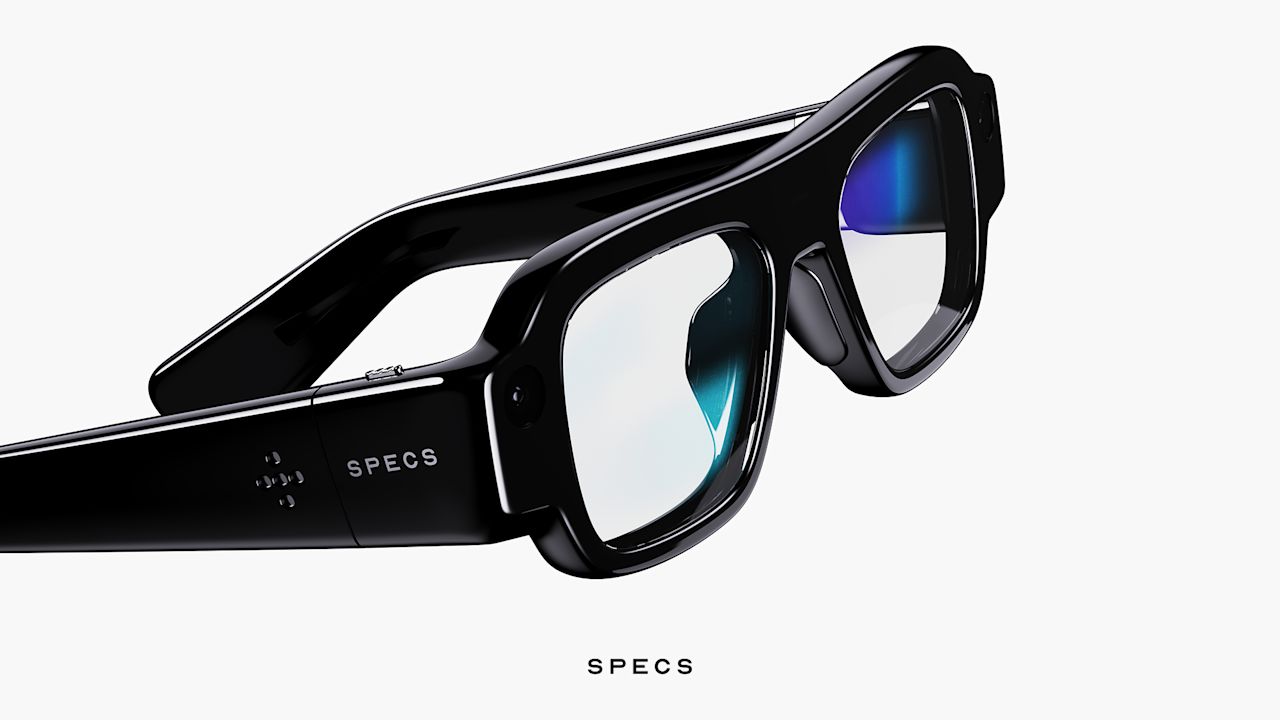
Two companies that had been vague for months put something on the record this week, and neither of them did it with a press release. Snap changed one answer in the FAQ on its Specs store. By Thanksgiving morning it said the $2,195 glasses "are starting to ship," with preorder customers emailed to pay the balance as units come in, while new orders wait until early 2027. Sam read the terms behind that sentence, and the part worth knowing if you put down a $200 deposit is that the email is time-limited. Miss it and Snap cancels the order and credits the deposit back.
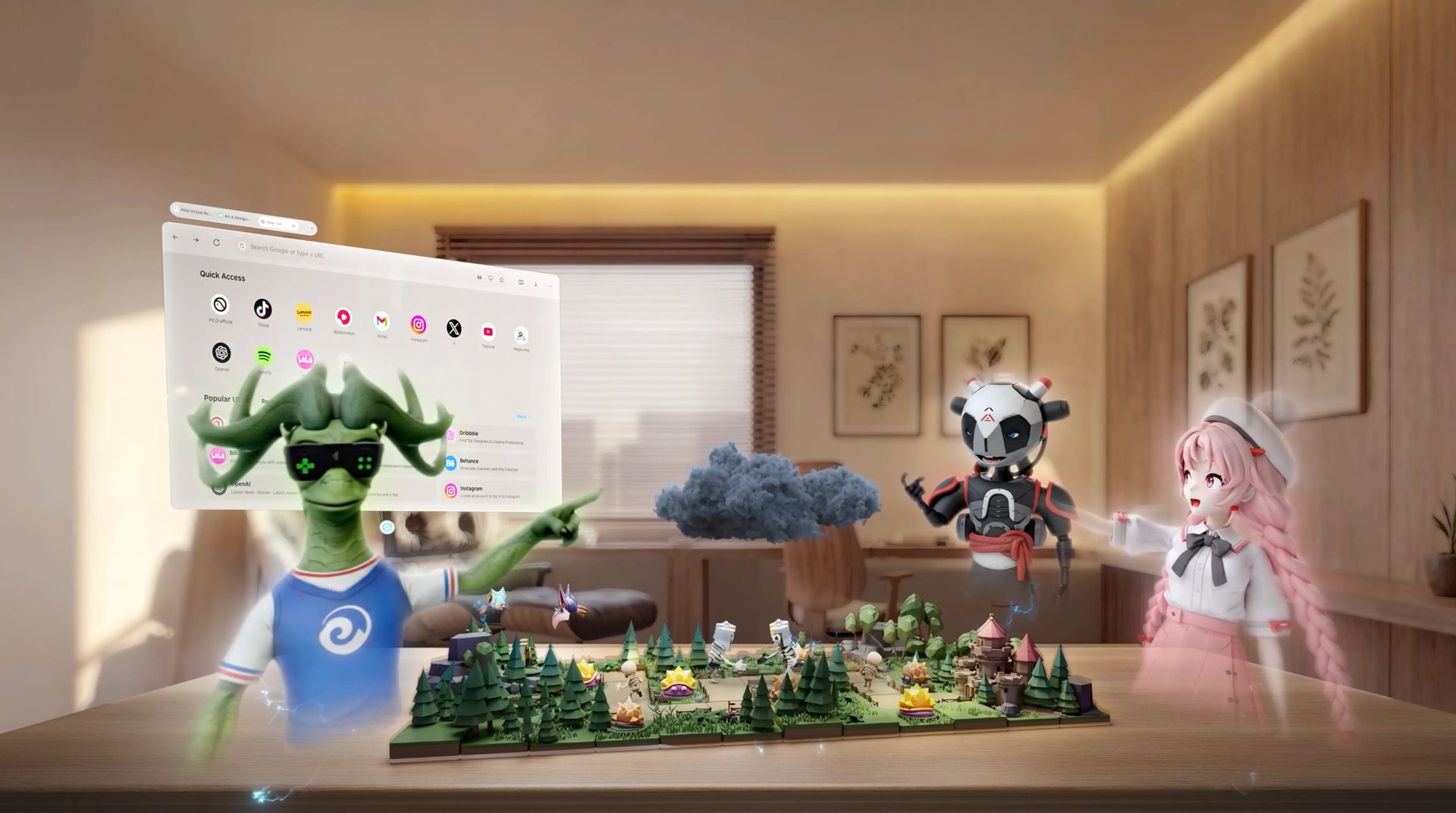
Pico went one better and named an actual day. A pinned notice on its Chinese community forum sets the Space Pro launch event for December 2 at 2:30 PM in Beijing, which is 10:30 PM Pacific on December 1, and a Pico account in the thread says price and offers come at the event. It is the date two Chinese outlets reported on November 9, for the same headset whose September 2 event Pico cancelled nine days out. I will believe it when the livestream starts. Everything we know is on our Space Pro page.
And then there is the strangest pitch of the week. Savage Technology's Orrorin Glasses cost $799, weigh 45 grams and run on 64 MB of memory, and the developer section of its site is written for Claude Code and Codex before it is written for people. Jordan's piece found the catch. The repository the site tells your coding agent to read was a 404 on Thursday.
Europe takes Meta's camera glasses to court
This one is going to keep growing. Three things happened in three days. On Tuesday the UK government answered the petition for a sales ban on smart glasses, and its response says plainly: "We do not consider that a blanket ban on smart glasses with recording capabilities would be proportionate." The same day, Germany's federation of consumer organisations said it had sued Ray-Ban's maker at the Kammergericht in Berlin and started a case against Meta over advertising it calls misleading. And on Thursday an Amsterdam court heard the Dutch Consumentenbond, together with the foundations Offlimits and The Firewall, argue that the glasses should come off the shelves. Meta argued, as NOS reported it, that it cannot be held responsible for misuse by "a small group of users." NOS reports a ruling by December 24 at the latest.
Meta's deadline to answer the two US senators' nine questions came and went on Wednesday, and neither senator had published a reply by Thursday. Our smart glasses bans tracker went from 55 entries to 63 this week: two Sydney councils, a Northern Territory health service, Manitoba's schools, a Michigan district and a concert hall in Utrecht among them. That tells you where this is actually being decided: one venue and one school board at a time, while the lawyers argue about the whole category.
Advertisement
A mount that slipped, and a treadmill company running low
Bigscreen says its $180 Halo Mount is finally at full production and shipping by the thousands each week, with almost every preorder out by the end of the year and "a small number" in early January. In August it promised November. Alex counted six ship estimates on the product page since March 2025, and the one thing that never moved was the price. Virtuix moved its four-person Marine Corps trainer to early 2027, and Sam's read of its quarterly filing is the less comfortable half of that story: $4.96 million in cash at the end of September, a going-concern warning and a second Nasdaq notice.
Mods, still
On Saturday I argued with a Road to VR column that asked whether VR's mod boom is a sign of decay, mostly by pointing out that Counter-Strike was a mod when I first met it. The week did not exactly help the other side. HookshotVR put Nintendo's Switch 2 remake of Ocarina of Time in first person in PC VR, and I covered why most people will hit a wall long before Kokiri Forest. Black & White got a second VR mod, and both need a disc from 2001. Nina did the shopping math for everyone else: the five flat games behind the best free PC VR mods, Titanfall 2, Metro Exodus, Dead Space, Max Payne 2 and F.E.A.R., cost $19.95 together on Steam until December 3. If you have a Steam Frame, the Titanfall 2 VR mod has supported it since version 1.0.29 on November 17, finger tracking included. I am still on the waitlist, so I will take that on faith.
GTA 6 got one step closer to a headset and then stopped. Sony added PS Plus Premium cloud streaming for the game on Monday, to a PS5 or a PS Portal, and Nina confirmed that neither Sony's cloud nor Microsoft's reaches a Quest on its own. You still need a console in the house.
Around the industry
Meta's $1 million VR Start competition closed with 2,105 entries, against 655 a year ago, and Jordan read the tool list on every one: about a third were built on the web. Pico is running its own, a $50,000 Build with AI contest whose Kotlin winner gets double the Unity winner. Valve's SteamVR 2.19.4 beta brought chroma key passthrough to Steam Link on Quest, and UploadVR rounded up what Meta and Microsoft have added to Quest's Virtual Display lately: camera and microphone forwarding, wired USB streaming and two-way input. The USB cable is the quiet one. Microsoft pitches it for hotel and conference Wi-Fi that will not let two devices see each other.
Two games came out. Sunstone of Time, a six-to-eight-hour Aztec puzzle adventure, launched on Quest and Steam on Wednesday at $14.99, and Pinball FX VR reached PS VR2 on Thanksgiving at $9.99 for three tables. Zen says Quest and Steam purchases do not carry over.

Next week
Cyber Monday is the 30th, and that night at 11:59 Pacific Meta's prices end, along with Bigscreen's code and the VITURE and RayNeo sales. Rokid's runs one more day, to the end of December 1. Pico's Space Pro event starts at 10:30 PM Pacific that same night. I/ITSEC, the big military training show in Orlando, runs from the 30th to December 3, with Virtuix taking meetings there while its Quantico date waits on the Marine Corps.
December 3 is crowded. Fabula Rasa and the first act of Tin Hearts arrive on Quest, the VR Forever festival opens on Steam with demos and discounts on more than 220 games, and Valhalla Splash, Walkabout Mini Golf's last course of the year, comes out on Quest, PC VR, Galaxy XR and PS VR2. That one I will play the week it opens. If you play on a Pico headset you will not get it: Mighty Coconut told players that Escape from Planet Xylodon was its last new course on Pico, because "the cost of QA and release requirements on Pico has eclipsed the revenue we receive from it." Everything already bought keeps working.
A year ago the best Black Friday price on a Quest came from Best Buy, with a gift card attached. This year it came from Meta itself, and the headset most people actually search for did not get one at all. I keep thinking about what that says about which Quest Meta wants under the tree.
Advertisement